How To Support Elderly Parents Living Independently.

(image: Pexels)

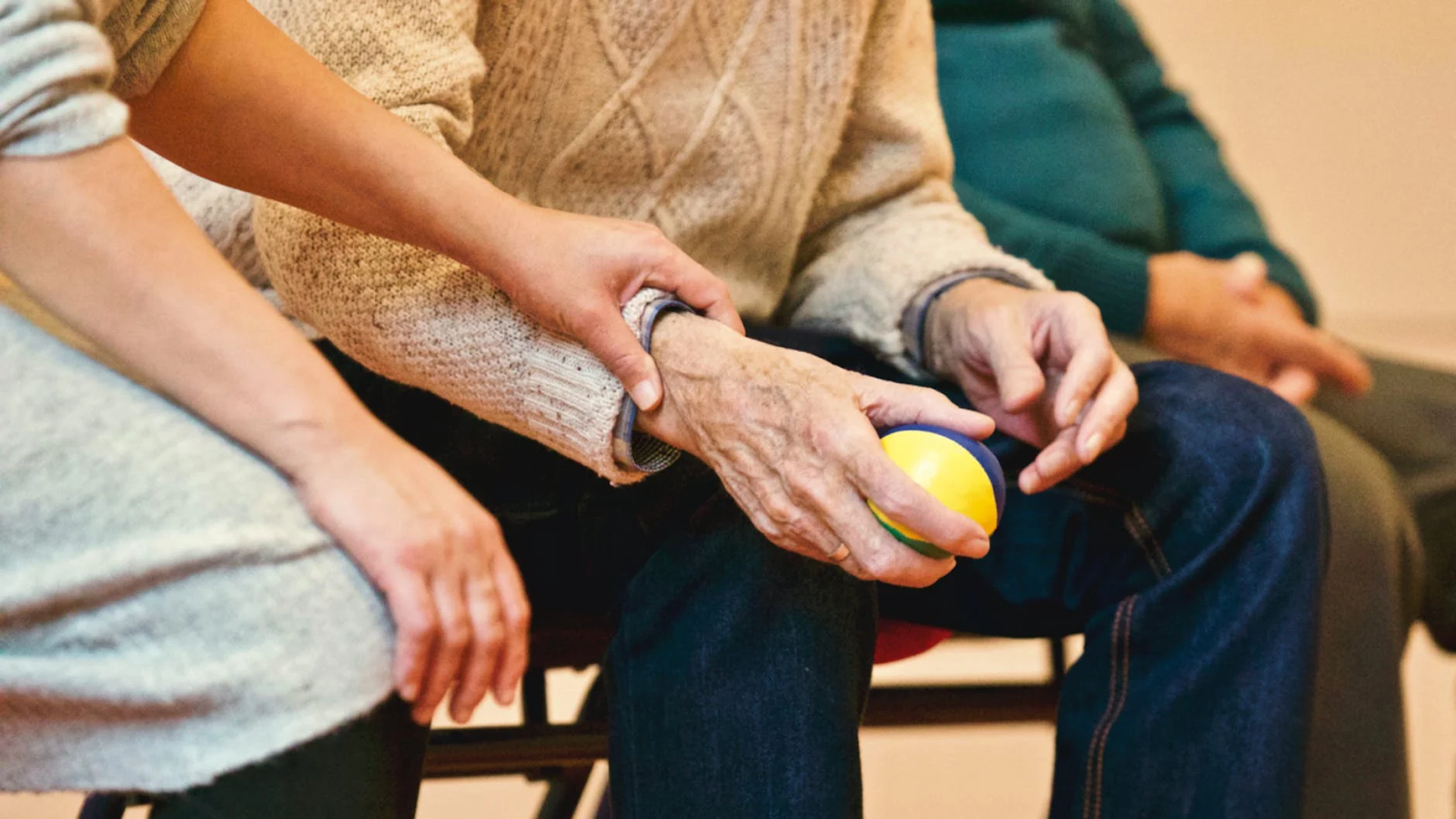
As you grow older, you may start to notice the role of parent and child starts to change. In the past, the parent provided the care and support to the child, but as the years pass, these roles can become reversed. If you are currently in this situation, you may be wondering how best you can support your elderly parents and help them to get the most out of life in their senior years.

Striking the right balance between being on-hand to help without interfering is challenging and can take some getting used to. It is perfectly natural to feel unsure about the best way to approach this new situation. Reaching a point where you feel comfortable you are providing your parents with the right level of assistance while respecting their wishes can take time to achieve. Here are some of the ways you can give extra support to your parents while they are living independently:

Keep Communicating

Keeping in regular contact with your parents is essential to ensure that you understand their needs and their wishes. If you are concerned about their health, communicating with them regularly will make it easier for you to spot any deterioration and give your parents the opportunity to discuss any aspects of their health that worry them. Making sure that you listen as well as talk is vital to ensure your parents feel their needs and wishes have been understood and are respected.

It is so essential to maintain your relationship with your parents. When they are more dependent on you, it is easy to fall into the trap of only talking about their care and no longer having any fun. So keeping that parent-child relationship alive by talking about everyday topics and taking them out and about is crucial.

Address Any Health Concerns

Finding the right level of support for your parent’s health issues can be challenging. Knowing whether or not they are able to continue living independently or whether they need to receive a greater level of care can be hard to determine. If your parents are adamant that they want to stay living independently within their own home, you may be concerned that they won’t get the best care. Choosing a specialist at-home care provider can help to alleviate these concerns and ensure they are getting the level of assistance that they need. Dementia home care is one specialist care service available that could help keep your ageing parents in their own home while receiving the appropriate level of support.

Make Life at Home Easier

Providing your parents with practical support is an excellent way to support them living independently. Carrying out everyday tasks on their behalf such as cleaning and getting their shopping can make life far easier for them. Making sure that your parent’s home is free from trip hazards and is clean and tidy will help to protect their health and wellbeing and provide you with the peace of mind that they are safe in their home.

This article was written by a freelance writer and contains affiliate links.

Assisted Living: How to help your Elderly Parents find their perfect Care Home.

When you were a child, your parents always took care of you. But now that you’ve grown up and may have kids of your own, it’s time to take care of them. And when their health starts to deteriorate, and they become too ill for in-home care, the question becomes: how do we find a great assisted living facility?

While the idea of having to send loved ones to an assisted living facility isn’t always a nice one, it’s often the best choice. Not just for their health, but for our own too. 

In this article, we’ll walk you through each factor so that finding an assisted living facility feels like less of a daunting task.

Image by Matthias Zomer via Pexels


What Types Of Care Homes Are On Offer?

The world of assisted living facilities is an industry that has snowballed. It’s now booming, and there are many things to consider before you make your final decision. The first step is understanding the different types of senior homes available.

A Care Home

This type of facility covers the personal and day-to-day care of your loved ones. They’ll handle things like washing, dressing, and taking medications on time. Many of them also provide activities and days out. But the quality and amount of these extras are provided depends on the home. 

A Nursing Home

Nursing homes cover all the same things as care home, but it’s provided by qualified nurses. So they’re a great choice if your parents have health conditions that need a little extra attention. 

A Care Home With Dementia Care

This type of home is targeted towards elderly loved ones with dementia. It’s designed to make them feel comfortable and to keep them safe.

A Dual-Registered Care Home

This facility accepts residents who have personal and nursing care needs. These homes mean that residents who arrive just needing personal care but eventually need nursing care don’t have to change facilities. Instead, they can stay in comfort in the place that has come to be their home.  

Choosing a Care Home

One of the most important factors when looking for a senior living facility is the level of care. If your loved one needs special attention due to dementia or any other physical disability, you should find a facility with specialized services to have their needs met.

There’s plenty to consider when it comes to looking at care homes for your loved ones. Before you get into the nitty-gritty, it’s worth taking the time to make a list of what’s important to you in your chosen assisted living facility. That way, you can quickly sift through the homes on offer. Because there will be plenty to get through.  

The Staff

The staff at an assisted living facility goes a long way in determining the quality of life for its residents. They must be attentive, caring, and responsive to the needs of each individual. When you visit your prospective home, it’s essential to ask questions about their staff.

The Food

The food served at a senior home is also vital. If meals are not nutritious or flavourful, it can cause malnutrition, weight loss, and other health issues for seniors. Ask if they provide three meals a day or if that depends on what residents choose to eat. It’s important to note that while dietary restrictions can be accommodated at some homes, you may want to find one with more robust catering options and for diets such as kosher or halal.

The Amenities 

Another thing to consider when looking for a care home is what kind of environment and amenities it provides. Does it feel open and welcoming? Is there an opportunity for outdoor activities? Are there pets on-site? How big of a community is there? These questions will help you determine which type of environment would best suit your loved one’s needs.

Amenities on-site provide your parents with something to pass the time, stay engaged, and most of all, feel a strong sense of community. 

Image by Andrea Piacquadio via Pexels

Always Involve Your Parent

When our elderly loved ones come to need further care that we can’t provide, it’s a challenging time. And while it’s difficult for us to come to terms with, it is just as difficult for them. For many elderly people entering care homes, it’s a massive change to their daily life. Some may not be aware of what it entails, so informing them if possible is important. 

Make sure that they’re a big part of choosing a facility. After all, they’re the ones that will be living there. While some health conditions may hamper their understanding of the situation, it’s essential to keep them as involved as possible. Making a list of what they want and then what they need can be helpful to find the best care home options available. 

So while finding a care home can be difficult, it ensures that the quality of your loved one of life remains high. When caring for them becomes too much for you to handle, assisted living facilities are there as a helping hand.

This article was written by a freelance writer and contains affiliate links.

Lockdown, Sleep, Anxiety and Mental Health: In Association with TEMPUR®

(image: Eleanor Segall Mandelstam)

Living with an anxiety disorder can be hard and part of it is insomnia, lack of a good night’s sleep. It can be really debilitating to be up at night, sweating, pumped with adrenaline and feeling awful and then not feel comfortable enough in my bed to drift off to sleep. My anxiety did get worse during the Covid 19 lockdown too due to the uncertainty of the situation and I had been worrying as I had just started a new career, changes can make us more anxious! So that would keep me up at night as well. I found that the more tired I would get, my memory became affected too.

I was so tired and walking around in a bit of a daze, feeling foggy! I needed to rest and recharge. Sleep is so important to all of us, to help us recall memories, refresh and learn new things. Poor quality sleep negatively affects our health and I have learnt how important it is to have back support and neck alignment- to have proper sleep posture and feel well rested.


Then, I found the TEMPUR® Comfort Original pillow (above in my white pillowcase) with memory technology that helped me, amongst other self care, to get a good night sleep. It has special memory foam material by TEMPUR®, who are the original patented memory foam company.  The Comfort pillow is a traditionally shaped pillow, with a medium feel and is classic and rectangular shaped. It also has a soft, textured cover! The inside is described as containing thousands of TEMPUR® material micro cushions, to provide plush comfort while maintaining pressure relief.

The memory foam inside was originally developed for NASA astronauts and the pillow (and their mattress material) provides proven pressure relief, to give your body total comfort and support. Incredibly, It also responds to your exact weight, shape and warmth!

(image: Tempur/ Eleanor Segall Mandelstam)

The pillow and mattress reduces tossing and turning and also absorbs motion from your partner ,if you have one, so you don’t disturb each other. It helps you sleep better, longer and deeper- so that you feel rejuvenated and restored!

I began trialling this new pillow and the more I use my Comfort original pillow, the more I really love it and it helps me to drift off more comfortably these days too. Its so soft and I feel less anxious and more cocooned in bed, ready to take on the next day! My neck and back feel supported and my mental health and memory have improved too – sleep is so vital to good health.

I felt that the pillow moulded to my body shape well too. At the end of a working day, I often get stiffness in my back and neck, and this definitely relieved that pressure as I got some shut eye under the duvet. I know that as we now move forward from the Covid lockdown, that I will continue to have less stressed nights and a good nights sleep.

This sponsored post (paid partnership) is in conjunction with TEMPUR® but all thoughts are my own. I received a gifted pillow and trialled it for review.

5 Self Help Books to Set Your Intentions in 2022.

(image: Cottonbro at Pexels)

As a new year approaches, many of us will attempt to reflect on the past and plan for the future. However, if the past two years have taught us anything, it’s that all the planning in the world can’t always stand up to what gets thrown our way.

That’s why setting broad intentions — rather than specific goals, which can make us feel trapped — at the start of the year (or indeed any time of year!) can be so useful: these intentions make us more resilient to life’s unpredictable hurdles, helping us stay focused on the present. 

If this is a new way of thinking, don’t worry; you don’t have to go it alone! Whether it’s talking to friends or listening to audiobooks and podcasts, there are plenty of places to seek out intention-based inspiration. In this post, you’ll find five self-help books to help you set your intentions as we transition into 2022.

(image: Artem Podrez at Pexels)

1. No Such Thing as Normal by Bryony Gordon

If you’re tired of the overly commercialized “wellness” and “self-care” industries, No Such Thing as Normal will feel like a breath of fresh air. Bryony Gordon, founder of Mental Health Mates, offers practical advice on subjects ranging from daily anxiety to therapy and boundary-setting, with the aim of reassuring readers that they’re not so alone in their mental health struggles. If one of your intentions for the new year is to take charge of your mental health, Gordon’s book will give you a solid foundation upon which to build your confidence and feel more empowered. 

2. Sensitive is the New Strong: The Power of Empaths in an Increasingly Harsh World by Anita Moorjani

Empaths experience overwhelming feelings that come with strongly sensing, and sometimes even absorbing, other people’s emotions. But in Sensitive is the New Strong, inspirational author Anita Moorjani argues that empathy can be harnessed as a powerful tool to help build stronger connections and live as your most authentic self. She includes personal anecdotes, meditation guidance, and self-care mantras to create an inspiring handbook for anyone looking to embrace their sensitivity and express their emotions more freely. Dive into this book to tap into your inner empath in 2022!

3. The Lightmaker’s Manifesto: How to Work for Change without Losing Your Joy by Karen Walrond

Praised by Brené Brown for breaking activism down into small and intentional steps, The Lightmaker’s Manifesto is a hands-on guide for anyone who wants to enact meaningful change in the world. And who better to trust for advice than leadership coach, lawyer, and activist Karen Walrond? In this book, she lists practical journaling and mindfulness exercises that you can implement into your everyday life, plus advice from fellow activists and thought leaders to help you become a true “lightmaker”. The result will inspire you to find causes close to your heart and lead a life of not just integrity and advocacy, but genuine joy. 

4. Stretch: Unlock the Power of Less and Achieve More Than You Ever Imagined by Scott Sonenshein

It’s also common to set professional goals in the new year — perhaps you’re gunning for a promotion, or maybe you want to get started on an ambitious new project. Whatever the aim, it’s important to have the right attitude to achieve it. In his groundbreaking self-help book Stretch, Scott Sonenshein debunks common myths around how to succeed in business and life. He explains that instead of striving for more and more assets, we should appreciate and stretch the resources we already have. If one of your intentions is to shift towards more of a growth mindset, then this is the book for you.

5. Burnout: The Secret to Unlocking the Stress Cycle by Emily Nagoski and Amelia Nagoski

Ready to put an end to constant cycles of stress and burnout in 2022? Sisters Emily and Amelia Nagoski have co-written Burnout to address the particularly severe ways that burnout affects women. The book covers scientific causes of stress, as well as holistic approaches and lifestyle changes to combat its effect on our everyday lives. Entering the new year with this wealth of knowledge will help you minimize the burden of societal expectations and leave you feeling empowered to tackle whatever the world throws your way — especially as a woman, but honestly as anyone determined to avoid future burnout.

Reading self-help books is, of course, only the beginning. But hopefully these books have given you a good starting point to go into the new year with strong, meaningful intentions! Good luck.

This article was written by a freelance writer.

8 Ways I Deal with Anxiety as a Mom (Mum) by Kara Reynolds.

(image: Pexels: Gustavo Fring)

Anxiety is hard to manage. When you have children, your stress levels can skyrocket. You have to get it under control to stay sane. 

Fortunately, you have plenty of holistic methods that help — often as much as medication or therapy. Here are eight ways I deal with anxiety as a mom. I hope these tips help you, too. 

1. I Maintain a Healthy Social Circle 

Loneliness can kill. A national cross-sectional survey found an association between patients who reported feeling isolated and increased mortality from all causes. 

I don’t know what I would do without my other mom friends. While it’s challenging for us to all coordinate our schedules to meet up as a group, I make a point to get together at least once a week with someone outside of my family for tea or a nice partner workout. It helps us both feel more connected and lets us shuffle off our mortal mom-coats for a minute and celebrate ourselves, not our roles in life. 

2. I Practice Breath Control 

Regulating your breath (like in childbirth) can help calm physiological processes. 

Focusing on your inhalations and exhalations alone helps you slow down your pace of breathing. Techniques such as 2-to-1 breathing, where you exhale for twice as long as you inhale, can further help to relax you. Navy SEALS use a method where they inhale for four, pause for as many beats, then exhale for the same count to calm their panic in crises. 

3. I Choose My Mental Battles Carefully 

As a mom, you see danger everywhere. I used to drive myself mad every time my kids strayed from my sight, but I learned to pick my mental battles more carefully as they got older. 

For example, I could lie awake tossing and turning all night, wondering if the parents at my child’s sleepover drink or take drugs in front of the kids. Conversely, I could simply meet with them before the big night and assuage my fears. 

4. I Check-in With My Body 

You know that you get irritable when you have a cold. However, minor aches and pains can sometimes leave you snapping at loved ones without realising the underlying cause. My back might groan after a day at my desk, but taking it out on my family only creates more problems. 

Therefore, I’ve learned to check in with my body regularly. I made mindful body scans a part of my routine meditation practice. These days, I do them anytime and anywhere, taking a few moments to breathe into tight areas and ease mild pain. 

5. I Move When I Don’t Feel Like It

Who hasn’t had those days where going to the gym seems like a chore? Yet, I’ve also discovered that pushing through often makes me feel better than remaining stationary. I trick myself into moving even when I don’t feel like it. 

How? I tell myself that I will work out for only five minutes. I give myself full permission to stop if I still feel lousy and sluggish after that time. However, I usually find the energy to keep going once my blood starts flowing. 

6. I Eat Healthfully — Most of the Time 

I used to go to diet extremes. Sometimes, I’d throw caution to the wind, declaring, “life’s short. Eat a donut.” Other times, I’d go on strict diets, eschewing everything that didn’t fit the meal plan until I went slightly crazy and binged. 

Now, I practice the 80/20 rule when it comes to eating. I eat foods that fall into my approved “healthy” categories 80% of the time. For the remaining 20%, I indulge in whatever I like. 

7. I Stay Away From Alcohol

A funny thing happened to me during pregnancy. Despite the increased pressure with a new life on the way, I felt less anxious. It didn’t take more than one or two postpartum cocktails to discern the reason. 

Alcohol messes with all kinds of neurotransmitters. While it initially decreases feelings of tension, it comes roaring back with a vengeance when you sober up and your brain tries to return to homeostasis. You could find yourself feeling even more tense and irritable — and craving another drink to take the edge off. 

For me, it’s simply easier to pass on the anxious feelings altogether. I found healthier ways to relax. 

8. I Meditate 

Although it may look like I’m doing nothing, my meditation time is the most critical part of my day. Without it, I wouldn’t function nearly as well in daily life. 

You don’t need anything except three to five minutes of quiet time each day to start. If you sit silently in mindfulness, you’ll amaze yourself with how long even that short span seems the first few times. If you struggle, guided meditations can help you find zen, and they’re available free on YouTube. 

Moms, How Do You Deal With Anxiety as a Parent?

The eight tips above help me deal with anxiety as a mom. I hope that this advice will likewise help you decrease your stress levels. 

This article was written by Kara Reynolds, editor of Momish

How to Spot Signs of a Traumatic Brain Injury by Lizzie Weakley

(image: Pexels- Karolina Grabowska)

Suffering a traumatic brain injury can completely change a person’s life. Your brain is the primary organ that controls everything else in your body, and any injury to your brain has the potential to impact almost every other aspect of your body, your health, and your overall wellbeing. While most severe brain injuries can be quickly spotted, more minor or moderate traumatic brain injuries can sometimes go undetected. Although some injuries may heal on their own, others can cause serious issues days, months, or even years down the road. For this reason, it is essential that you understand the possible signs of traumatic brain injuries to ensure you get proper medical help whenever it is needed.

Types of Traumatic Brain Injury

Traumatic brain injuries are categorized in several ways, depending on both the severity and type of injury. They can range from mild to moderate and severe, and this is determined by whether a person loses consciousness as a result of the injury and for how long. Mild brain injuries result in a loss of consciousness or a dazed feeling that lasts less than 30 minutes, while severe injuries are those that result in unconsciousness for more than 24 hours.

Traumatic brain injuries are also categorized based on whether they are open or closed. Closed injuries are the most common type, and this categorisation refers to any injury that affects the brain without penetrating the skull. An open brain injury results when any foreign object penetrates the skull and directly damages the brain tissue.

How to Spot Signs of a Concussion or Other Brain Injury

Moderate to severe brain injuries and open brain injuries are obviously fairly easy to spot. However, it is often much more difficult to determine if you’ve suffered a mild concussion or less severe brain injury. Still, there are a number of signs you can watch out for. The most obvious sign is losing consciousness, but feeling confused or having problems concentrating or remembering can also be indicators of a brain injury. Nausea, vomiting, and dizziness are also signs you should watch out for.

How it Can Affect Your Mental Health

Soon after a traumatic brain injury, it’s common to have feelings of frustration, loss, and sadness. These feelings tend to appear after the injury, during, or soon after recovery. These emotions can be brought up earlier or later, depending on the person, and how severe the injury is. If these feelings are not recognised early enough, depression can be a long-lasting emotion, which can be detrimental to your mental health.

What to Do If You Suspect You Have a Brain Injury

Even milder or moderate concussions can potentially lead to other issues down the road. Therefore, it is essential that you seek professional medical attention if you suspect you or someone you know has experienced a brain injury. Depending on where the accident or injury occurred, it may also be a good idea to contact an attorney. This is especially true if the injury happened as a result of a car accident or at work. In these cases, an auto injury attorney or a job site accident lawyer can help ensure everything is properly documented and that you don’t do anything that could harm your chances of getting properly compensated for your injury.

Concussions and other traumatic brain injuries are much more common than you might think. Brain injuries can also occur from seemingly minor accidents. Therefore, it is vital that you know what signs to look for, so you can immediately get whatever help you need.

Lizzie Weakley is a freelance writer.

How Private Patient Transport helps Anxious Travellers by EMA Patient Transport

(image: EMA Patient Transport)

Travelling is stressful, especially when it’s to and from medical appointments; for people with anxiety issues, the stress levels during this time can be heightened even further. Private transport providers offer patients a comfortable transport experience; the journey can be as stress-free as possible thanks to their state of the art, bespoke ambulances and friendly, qualified team! Mental health patient transport services can provide a sense of comfort and trust compared to your average ambulance service. 

Not only does patient transport provide the benefit of a relaxed journey compared to your average patient transport- but for people who require additional support, these bespoke ambulances are accessible and filled with medical equipment.

Here are some of the ways private patient transport helps anxious travellers:

There’s No Waiting Time 

Private patient transport providers deliver a transport service you can rely on! No more waiting around worrying you’ll be late for your appointment. Due to the NHS being under severe pressure, their transport service is not always running on time. With private patient transport, you can rest assured you will be picked up & dropped off on time. 

The effects of long waiting times could be detrimental to anybody with anxious feelings, but you can avoid this stress and anxiety with private transport. With private ambulance services, there are no waiting times. 

Private Transport Is Bespoke 

A fantastic benefit of private ambulance services is that the focus is always on the patient. This means that when you choose a trusted, reputable provider, the provider will tailor each vehicle to meet the patient’s specific needs. This can help out anxious travellers, as they know the vehicle meets their requirements. Some vehicles even have sensory lights and TV’s, which are welcome distractions for many anxious patients. As well as these fancy extras, private patient transport always contains vital medical equipment such as oxygen and defibrillators. 

The Vehicles Are Accompanied By A Friendly & Qualified Team 

When travelling in a private patient transport vehicle, the staff on board are always experienced and friendly. This means they are qualified to deal with medical emergencies and have a welcoming personality to make travellers feel at ease. 

Whenever you choose a trusted, reputable patient transport provider, you can rest assured that their caring team has appropriate experience and training to support patients with various needs. Private ambulance providers will meet every patient with respect, dignity, and kindness. 

The Journey Will Be As Comfortable As Possible 

Thanks to state of the art, bespoke vehicles and friendly teams, the journey will always be more comfortable than your standard ambulance transport service. No matter the patient’s unique needs, there will be a bespoke ambulance to suit. 

Do you think you or a family member would benefit from using private patient transport? Get in touch with EMA Patient Transport to find out more. 

Whether you require transport to and from a medical appointment or any other type of journey- give them a call today on 0800 634 1478 or send an e-mail over to enquiries@emapatienttransport.co.uk. Open 24 hours a day; their friendly team are always at the other end of the phone, ready to help.

This article was written and sponsored by EMA Patient transport.

Tsunami of Mental Health Problems have manifested during the Pandemic: by WebDoctor.ie Online Doctor

(image: WebDoctor.ie)

Online Doctor Service WebDoctor.ie, based in Ireland, saw a 240% increase in the number of mental health related consultations from January 2020 to August 2021.

The Online Doctor Service has also seen a 210% increase in the overall number of consultations from the same dates.

“This increase reflects a ‘Tsunami’ of mental health problems, including depression and anxiety, which have manifested during the pandemic,” explains WebDoctor’s Clinical Director Sylvester Mooney. Mental health issues such as reactive depression and anxiety affected all ages and demographic groups.

Anxiety Surrounding the Reopening of Society

There has been a 76% increase in anxiety levels among Irish people, according to WebDoctor.ie. There are significant mental health concerns regarding the reopening of society as colleges, workplaces and schools get back to normal.

Aware, who provide free support and education services to those impacted by depression, anxiety and mood related disorders saw an 80% increase in the number of helpline calls they received in April, May and June of 2020 compared to the same months in the previous year.

The organisation are currently seeing concerns arise over the anxiety surrounding the reopening of society. “People are anxious to return to the workplace and return to in-person social settings, explains Stephen McBride, Director of Services at Aware.

Young Women and Eating Disorders

WebDoctor.ie have also observed a doubling of reported depression from 9% to 19%, and rates of eating disorder in young women have also increased by a very significant 41%.

There are no nationally dedicated adult in-patient public beds for people with eating disorders. Instead, eating disorder in-patients are treated in general or psychiatric hospitals. Given that the most recent CSO figures also show that suicide was, and remains, the biggest cause of death among Ireland’s young adults under 24 with men particularly at risk, it’s clear that a major post-Covid mental health crisis is well under way.

Dr Sylvester Mooney, WebDoctor’s Clinical Director stated that “many younger people who are presenting to our GP’s have been seriously impacted over the last 18 months. They’ve had significant disruptions to their college education, lost opportunities for important social interaction, their career prospects have been damaged. For a lot of patients we see, they’re very anxious and nervous about what the future may hold.”

Mental Health Support and Funding

With HSE levels of mental health funding at only 5%, which is very low by international standards (the UK is at 13%), it seems apparent that the mental health sector needs much greater levels of funding support.

When asked about the level of funding for mental health services in Ireland due to this significant increase in pandemic-inflicted anxiety levels, neither the HSE nor Minister of Mental Health and Older People, Mary Butler responded to our request to comment.

Dr Sylvester Mooney believes that we are only now starting to see the fallout from the Covid pandemic on mental health.

This is a sponsored blog from Webdoctor.ie using research in Ireland from August 2021.

The First all-in-one Stress and Mild Anxiety Formula has launched: by Nu Mind Wellness Ltd.

(image: Nu Mind Wellness Ltd)

Nu Mind Wellness Ltd officially launched on October 25th 2021. The Nu Mind Stress & Mild Anxiety Support Formula (30 days) offers consumers 23 scientifically backed ingredients packed in 5 daily capsules to help alleviate symptoms of stressors on the mind and body. This all-in-one Stress & Mild Anxiety Support Formula is the first of its kind and is the most comprehensive supplement programme in the UK market for mental health.

Nu Mind Wellness Ltd will is offering free educational courses to its consumers on how to improve their mental health and overall wellness. Specifically, on how to improve nutrition, how to exercise correctly and how to improve one’s mental health. Each course has been written by experts in their respective fields.

A strong social mission is at the core of Nu Mind’s vision. Nu Mind Wellness Ltd has also partnered with 1% For The Planet. Nu Mind have pledged to donate 1% of their annual revenue to grass-root non-profits. In the first year these funds will be donated to One Tree Planted where they will be planting trees in vulnerable areas across the globe. As well as this, Nu Mind’s products are all 100% recyclable.

“We wanted to create the very best formula to help those busy individuals living a stressful life. Which is why we included 23 science backed ingredients to help you manage stress and recover from symptoms of anxiety”

  • Shona Wilkinson, RN, mBANT, CNHC

Shona is a registered nutritionist, specialising in the formulation and development of supplements. Shona is a member of the Professional Associations BANT (British Association for Nutrition and Lifestyle Medicine) and CNHC (Complementary and Natural Healthcare Council) as well as the Royal Society for Medicine

Features and benefits of the Nu Mind Stress & Mild Anxiety Support Formula include:

  • The first all-in-one stress supplement programme, packaged into 30 daily sachets
  • 23 scientifically backed ingredients, based on current scientific research
  • Free educational courses on how to improve mental health and wellness 
  • Charity partnership with a clear social mission
  • 100% recyclable packaging 
  • Vegan Friendly, Gluten Free, No Allergens
  • 50% cheaper than current alternative

The Nu Mind Stress & Mild Anxiety Support Formula (30 daily sachets) will be available from 25th October at £44.99. For more information, visit www.numindwellness.com. 


About Nu Mind Wellness Ltd: 

Let’s begin with our story. We are two brothers who have suffered from anxiety. From panic attacks, deliberately avoiding social situations and sleepless nights. For years we searched for ways to feel ‘normal’, only to find the internet’s answers unsatisfactory.

Given our personal experience and understanding of the battles of anxiety, we set out to give back and support those with similar struggles. Working alongside professionals, we have created the first all-in-one stress & mild anxiety support formula.

We aim to provide the first all-in-one stress and anxiety service; providing a supplement, educational wellness content and a like-minded community. This is the essence of Nu Mind.

Links to learn more:

This is a sponsored blog post from Nu Mind Wellness Ltd.

How are our Lifestyles linked to our Mental Health? by Anna Witcherley, Founder of Head Hacks

(image: Pexels)

Our health and wellbeing aren’t solely dependent on how our brains and bodies work; they’re also influenced by how we live. Making healthy lifestyle choices is key in supporting our mental health; influencing our self-esteem, confidence, energy, motivation, mood, and even our ability to sleep.

Want to know more about what you can do to support your health and wellbeing? Here are 5 key areas to get you started!

Get active

We know exercise is beneficial for our health and wellbeing; even being active for 30 minutes per day, 5 days per week can positively impact our mood, creativity, thinking and sleep. If going for a run or to the gym isn’t your thing there are so many other ways to get moving; including going for walks, climbing, cycling, dancing, surfing and table tennis (to name just a few). 

Check out Head Hacks, a new directory website, run by a qualified Occupational Therapist, where you can search for fun things to do, locally and online, to help you get active in a way that suits you!

Sleep

If you find yourself struggling to switch off at night, or you feel you’re not getting the quality of sleep you need to feel rested there are a number of things you can do to help yourself. These include:

  • Avoiding screens for at least 30 minutes before going to bed
  • Increasing physical activity and exposure to natural light during the day
  • Avoiding drinking caffeine for at least 6 hours before going to bed
  • Avoiding smoking for at least 2 hours before going to bed
  • Maintaining a general bedtime routine, for 30 minutes before going to bed (by doing things in roughly the same order around the same time each evening).

Mindfulness

When talking about mindfulness a lot of people may link it with meditation and yoga; however mindfulness comes in many different forms. If meditation or yoga aren’t your thing why not try ‘mindful doing’? The aim is to keep your mind present while doing an activity you enjoy or that fits into your routine, (like going for a walk, cooking, eating a meal, doing the washing up etc). Try to minimise distractions and instead focus on your current thoughts and feelings, and what you’re doing (using all your senses). 

Having purpose

Having a sense of ‘purpose’ is the feeling your life has some meaning or direction; without this we can feel anxious, low, bored and unmotivated. If this is something you feel you’re lacking here are some ideas to help you find more purpose in your life:

  • Voluntary work
  • Learn a new skill
  • Develop a sense of community by connecting with others over a shared interest e.g. joining a local activity group
  • Spend time thinking about what is important to you and form one or two goals around this (remember to break these down into manageable steps!)
  • Read (research has linked reading with feelings of purpose)

Connecting with others

Positive and meaningful relationships are vital to our health and wellbeing; providing us with a sense of belonging, self-esteem, and emotional support.  However you prefer to spend time with people, find a way to connect with others in a way that suits you; some of us prefer having one or two close friends, for others it’s family, and some prefer socialising in larger groups. 

To sum up

Research shows us that how we live; our relationships, how we spend our time, our sense of purpose and belonging, all vitally contribute to our health and wellbeing. Now that Coronavirus restrictions are easing, there are increasing opportunities, both in our local areas and online, to get involved in activities that are important to us, and that will help support our health and wellbeing.

Head Hacks is a new online directory, setup by a qualified Occupational Therapist, which aims to link people up with these activities and groups, as well as sharing useful information about managing health and wellbeing. Check it out to find fun things to do near you! Anna Witcherley is the founder of Head Hacks and wrote this article.