A year or two ago, I recorded this webinar with Bipolar UK talking about our family story (mine and my Dads) with bipolar disorder, suicidal ideation, depression and both of us finding recovery.
Suicide is a terrible but common outcome of bipolar and acute mental health episodes. I also know what it is like to lose a loved one to suicide and mental illness and the pain that brings.
I share this webinar today to raise awareness, but also to encourage people to go to their GP/psychiatrist/ family/ spouse and talk, if safe, about what is going on for you.
Watch here, with care, trigger warning : discusses bipolar episodes, suicidal ideation
In this webinar, Bipolar UK CEO Simon Kitchen shares the findings of the Bipolar Commission on the critical link between bipolar and suicide. He is joined by Ashley Brice, an experienced crisis negotiator with the British police specialising in suicide prevention, and Eleanor Mandelstam, author and freelance writer who lives with bipolar. Together, they explore the risk factors, warning signs, and practical strategies to prevent suicide, offering crucial insight for anyone living with bipolar, supporting someone with bipolar, or wanting to better understand how bipolar impacts mental health and suicide risk.
A dual diagnosis occurs when an individual simultaneously struggles with a mental health disorder and a substance use disorder. Far more common than many realise, dual diagnoses can involve combinations such as depression and alcohol dependence, anxiety and benzodiazepine misuse, bipolar disorder coupled with stimulant abuse, or PTSD alongside opioid addiction. Attempting to treat one condition in isolation while neglecting the other typically leads to inadequate results and higher relapse rates. Dual-diagnosis care addresses both issues in tandem, recognising the complex interplay between mental health and addiction. Below, we explore five essential components of an effective, integrated treatment approach that fosters sustainable recovery.
Understanding the Link Between Mental Health and Addiction
Self-medication is a common pathway to substance misuse: someone experiencing chronic anxiety may reach for alcohol to calm racing thoughts, while an individual with untreated depression might use opioids to numb emotional pain. Unfortunately, what begins as short-term relief often worsens underlying psychiatric symptoms. Alcohol, for example, disrupts sleep and brain chemistry, intensifying anxiety or depression over time. Conversely, the guilt, shame, and isolation that emerge from addiction can spark or aggravate mood disorders.
Recognising this bidirectional relationship is critical in dual-diagnosis care. Clinicians assess not only which substance came first, but also how each condition fuels the other. By identifying triggers—whether social stressors, traumatic memories, or genetic vulnerabilities—therapists can help patients develop healthier coping strategies. Early psychoeducation enables individuals to see how their mental health and addiction are intertwined, fostering motivation to engage in comprehensive treatment.
Comprehensive Assessments for Accurate Diagnosis
Misdiagnosis is rampant in dual-diagnosis cases: withdrawal symptoms can mask depression, and manic episodes may be mistaken for cocaine highs. To avoid these pitfalls, providers conduct thorough biopsychosocial evaluations that delve into psychiatric history, substance use patterns, family dynamics, medical background, and co-occurring health issues. Standardised screening tools—such as the PHQ-9 for depression, GAD-7 for anxiety, CAGE for alcohol misuse, and the Addiction Severity Index—offer structured insights that guide diagnostic clarity.
Laboratory tests and, when indicated, neuroimaging can reveal medical complications—like liver dysfunction in heavy drinkers or neurochemical imbalances in long-term stimulant users. Ongoing assessments throughout treatment help clinicians monitor progress, adjust medication, and refine therapy goals. An accurate, layered diagnosis ensures that neither the mental health disorder nor the addiction is minimized, laying the groundwork for a cohesive care plan.
The Role of Integrated Treatment Plans
Unlike traditional models that silo psychiatric care and addiction treatment, integrated plans bring multidisciplinary teams together. Psychiatrists, addiction medicine specialists, psychologists, social workers, and certified peer support counsellors collaborate on a unified treatment blueprint. Core elements may include:
Medication management to stabilise mood disorders and reduce cravings (for instance, SSRIs for depression and buprenorphine for opioid dependency)
Evidence-based psychotherapies such as cognitive-behavioral therapy (CBT), dialectical behavior therapy (DBT), and trauma-focused interventions for PTSD
Group therapy sessions that address both substance use behaviours and coping skills for anxiety or mood regulation
Family therapy and psychoeducation to repair relationships and build a supportive home environment
Holistic modalities—mindfulness training, yoga, nutritional counseling—aimed at restoring overall well-being
Coordinated care prevents mixed messages and redundant treatments. When each provider shares a common set of goals and progress metrics, patients receive consistent guidance, and their support network remains informed and engaged.
(image: Alysha Rosly, Unsplash)
Flexible Care Through Programs Like the Intensive Outpatient Program
Not everyone with a dual diagnosis needs round-the-clock residential care. For those with strong support systems, manageable symptom severity, and stable living conditions, outpatient solutions can strike the right balance. A reputable intensive outpatient treatment program offers structured therapy multiple times per week, while allowing individuals to live at home and maintain work or family responsibilities.
These programs typically include group counselling, individual therapy, psychiatric check-ins, and relapse prevention workshops. They serve as a transitional step either before entering less intensive outpatient care or following discharge from an inpatient facility. Flexible scheduling and a mix of virtual and in-person sessions accommodate diverse lifestyles, enabling more people to access high-quality dual-diagnosis treatment without uprooting their lives. In the UK, these were known as ADTU units attached to hospitals, but there are less of these on the NHS.
The Importance of Ongoing Support and Aftercare
Recovery from a dual diagnosis doesn’t end when formal treatment ends. Long-term success hinges on robust aftercare and relapse prevention strategies that recognize recovery as a lifelong process. Essential components of sustained support include:
Peer support groups—such as Dual Recovery Anonymous or integrated 12-step fellowships—that offer lived-experience encouragement
Regular outpatient counselling or case management to address emerging challenges and adjust treatment plans
Medication-assisted maintenance, when appropriate, to stabilise chronic mental health conditions and prevent relapse
Life-skills workshops for stress management, financial planning, and vocational training to strengthen daily functioning
Digital tools and telehealth check-ins that enhance accessibility, especially for those in remote areas
Family involvement remains vital: ongoing family therapy sessions and education empower loved ones to recognize early warning signs and respond effectively. Community resources—like sober living homes and recreational recovery programs—further enrich social support, reducing isolation and reinforcing positive lifestyle choices.
Conclusion
Effective dual-diagnosis care transcends the simplistic view of treating mental illness and addiction separately. By acknowledging their deep interconnection, clinicians can offer comprehensive assessments, integrated treatment plans, flexible program options, and enduring aftercare. Whether delivered through residential facilities or outpatient settings, these five components—link recognition, accurate diagnosis, collaborative treatment, adaptable program structures, and sustained support—equip individuals with the skills and stability needed for lasting recovery. Embracing a holistic, patient-centered approach that addresses the whole person, not just isolated symptoms, paves the way for renewed health, purpose, and hope.
This article was written by Elizabeth (Lizzie) Howard, writer and contains a sponsored link.
As the world gets more concerned and more appreciative of mental health and its impact on life, therapy has become more of a viable option for many. Whether you’re trying to cope with trauma or just work on some aspects of your personality and lifestyle, therapy is a great tool, but before you’re ready to jump in, you’ll need to know how to get the most out of your therapy.
Be open
The first and most important thing to keep in mind about therapy is that before you even sit in the office, you should have an open and comfortable attitude about the entire process. Much therapy gets stagnant as clients wait for breakthroughs just because they’re not ready for uncomfortable conversations or for sharing intimate details about your life. Withholding crucial information like that of your family members or crucial events in your life will only slow down the progress you’re able to get out of therapy. Instead, trusting the professional you’ve partnered with and really internalising their advice will allow you to get acclimated to the process much faster, and you’ll get more out of it as a result.
Get ready for uncomfortable conversations
As previously mentioned, another thing you’ll need to ensure is that you’re mentally prepared for the uncomfortable conversations you may have in the therapist’s office. This is because a lot of the trauma people carry throughout their lives is tied to a few incidents earlier in life, and talking about those incidents is the first step to truly healing. That means you’ll have to eventually vocalize your deepest fears and insecurities and the issues you’ve been going through, both to allow your therapist to better understand your psyche and to help yourself make important breakthroughs throughout your journey.
Find the right therapist
Another part of getting the most out of your therapy is finding the right therapist to guide you on your journey because the person you’re working with will eventually be entrusted with the deepest parts of your personality and subconscious. This means finding someone you’re fully comfortable with and one that is easy to visit; in your own country. Chicago residents (USA), for example, should look for an experienced therapist in Chicago. Finding a professional that you’re comfortable with and someone who’s nearby will only make it easier to regularly make your appointments and make time for therapy, pushing yourself towards more progress.
Be consistent
Consistency is the most important part of any major life goal you’re trying to achieve, and that includes therapy because of how unique the experience of therapy is for most people. If you’re not making it to your therapist’s office week after week for your regularly scheduled appointments, you won’t be able to make those important breakthroughs because each appointment will mostly be concerned with you and your therapist getting used to each other again. If you feel that your therapy isn’t working in its earliest stages, you shouldn’t let that discourage you since different people make progress over different periods.
Do the homework
Most therapists out there know the importance of daily self-improvement habits for their clients, and that includes things like journalling or keeping a dream diary. This can be tiring at first, but this homework is crucial to the entire process since your therapist will get a better idea of your underlying fears and the thoughts that take control of your unconscious mind most often. This will help your own progress, so you get the most out of therapy you possibly can. You can communicate all of your fears if you’re writing them down regularly for therapy.
Like most aspects of self-improvement, therapy has the capacity to change your life and can even cause you to have a major shift in perspective about key moments in your life. However, before you’re ready to embark on the phase of your life that will inevitably have a giant impact on you, it’s important to prepare yourself for what’s next so that you can get the most out of the therapy you’re participating in.
Elizabeth Howard is a freelance writer. (this article contains sponsored links)
Anxiety affects millions of people worldwide, impacting their daily lives and overall well-being. Counselling offers a supportive and effective way to manage your anxiety, helping you regain control and improve your mental health.
Understanding Anxiety
Anxiety is a common mental health condition that manifests in various forms, including social anxiety disorder, generalised anxiety disorder (GAD), and panic disorder. Symptoms often include excessive worry, panic attacks, and constantly feeling anxious. These symptoms can interfere with daily activities, making it crucial to seek appropriate help.
How Counselling Helps with Anxiety
Counselling for Anxiety
Counselling provides a safe space to explore and understand your anxiety. A therapeutic counsellor works with you to identify the root causes of your anxiety and develop strategies to manage it effectively.
Therapy for Anxiety
Different types of therapy can be used in counselling to address anxiety. Cognitive Behavioural Therapy (CBT) helps reframe negative thoughts, while exposure therapy gradually reduces fear responses. Both are proven methods in managing anxiety and improving mental health.
Types of Counselling for Anxiety
Cognitive Behavioural Therapy (CBT)
CBT is a widely used approach that helps you understand and change negative thought patterns contributing to anxiety. It focuses on developing practical skills to manage anxiety symptoms and anxious thoughts.
For example, if you often experience negative thoughts like “I can’t handle this situation,” CBT can help you reframe this thought to something more constructive, like “I can take small steps to manage this situation.”
Exposure Therapy
Exposure therapy is particularly effective for phobias and social anxiety. It involves gradual exposure to anxiety-provoking situations, helping you build tolerance and reduce avoidance behaviours. For instance, if you have a fear of public speaking, exposure therapy might start with speaking in front of a small group and gradually working up to larger audiences.
Talking Therapies
Alongside private talking therapy practices, NHS talking therapies service provides a space to express your feelings and gain insights into your anxiety. Whether through face-to-face sessions, group therapy, or online counselling options, talking therapies offer valuable support. These sessions can help you feel heard and understood, which is a crucial step in managing anxiety.
How Therapy Sessions Work
Therapy sessions are tailored to your specific needs. During these sessions, you and your counsellor will create a treatment plan focused on your goals. Regular sessions build a therapeutic relationship, essential for effective treatment.
The consistency of therapy sessions helps reinforce strategies to manage anxiety. For example, your counsellor might help you track your anxiety levels and identify what can trigger anxiety, which can be discussed and addressed in each session.
Benefits of Counselling for Different Types of Anxiety
Generalised Anxiety Disorder (GAD)
Counselling helps manage chronic worry and stress, providing tools to cope with daily life. Techniques such as mindfulness and relaxation exercises can be incorporated into your daily routine to reduce overall anxiety levels.
Panic Disorder
Techniques like CBT are used to cope with panic attacks, reducing their frequency and intensity. Learning breathing exercises and grounding techniques can help you regain control during a panic attack, and if CBT doesn’t work for you there are other options of therapy available.
Obsessive-Compulsive Disorder (OCD)
Counselling aids in managing obsessive thoughts and compulsions, promoting healthier coping mechanisms. For example, a counsellor might use exposure and response prevention (ERP) therapy, a type of CBT specifically designed for OCD, to help you resist the urge to perform compulsive behaviours. This approach is effective in treating anxiety associated with OCD.
Post-Traumatic Stress Disorder (PTSD)
Counselling addresses trauma, helping reduce PTSD symptoms through therapeutic approaches like CBT and Eye Movement Desensitization and Reprocessing (EMDR). These therapies can help you process traumatic memories and reduce their impact on your daily life.
Social Anxiety Disorder
Strategies in counselling help overcome social fears, improving social interactions and confidence. Role-playing and social skills training can be part of your therapy to help you feel more comfortable in social situations. By learning to manage your anxiety, you can gradually overcome social anxiety disorder and improve your quality of life.
Addressing Specific Concerns
Health Anxiety
Counselling helps those who constantly worry about their health by addressing underlying fears and developing coping strategies. Techniques like CBT can help you challenge and reframe catastrophic thinking related to health concerns.
Stress and Anxiety
Techniques to manage stress are integrated with anxiety treatment, offering comprehensive support. Learning time management and relaxation techniques can help reduce the overall impact of stress on your anxiety levels.
Seeking Additional Support
While counselling is a crucial component in managing anxiety, there are other resources available to complement your treatment. Organisations like Anxiety UK offer additional support, information, and resources for individuals struggling with anxiety disorders.
These organisations can provide helplines, support groups, and educational materials to further assist you in your journey towards better mental health.
Accessing Mental Health Services If you’re struggling with Anxiety
It’s important to know that help is available (although there can be waiting lists for therapy). The mental health service in your area can provide access to counselling and other forms of support. Your general practitioner (GP) can refer you to appropriate services, or you may be able to self-refer to local mental health teams.
Remember, seeking help is a sign of strength, not weakness, and taking this step can be the beginning of your journey to managing your anxiety effectively.
Embracing a Healthier Future
Counselling offers effective strategies to manage your anxiety, tailored to your specific needs. By working with a counsellor, you can gain control over your anxiety and improve your mental health.
Whether it’s through CBT, exposure therapy, or talking therapies, counselling provides the tools and support needed to navigate your anxiety and lead a more fulfilling life. Understanding the types of anxiety disorders and how they can be managed through therapy is crucial in overcoming anxiety.
If you’re struggling with anxiety, consider exploring counselling services. Taking the first step towards seeking help can make a significant difference in managing your anxiety and enhancing your quality of life.
Buick Hamblin is an experienced counsellor and psychotherapist with over 20 years in the field. Specialising in person-centred therapy and cognitive behavioural therapy (CBT), she offers compassionate, non-judgmental support to clients dealing with a range of issues, including depression and relationship problems. Accredited by the BACP since 2007, Buick provides flexible counselling options both in Grantham, UK and online.
At 24hr Therapy, we are driven by a simple yet profound belief: accessing therapy should be as natural and straightforward as getting a coffee. Our mission is to remove the stigma that surrounds mental health issues and foster a culture where mental well-being is openly discussed and prioritised. For too long, mental health has been shrouded in misunderstanding and fear, preventing many from seeking the help they need. We aim to change this by making mental health care more approachable, accessible, and integrated into daily life.
Imagine a world where scheduling a therapy session is as routine as meeting a friend for coffee. This is the future we envision—a society where mental health care is seamlessly woven into the fabric of daily life. Leveraging technology and innovative approaches, we provide 24-hour access to professional support, making it easier for people to get the help they need, whenever they need it.
Unlike traditional therapy, which often requires waiting days or even weeks for an appointment, our platform offers immediate support with a pay-per-minute model, giving users complete control over their spending and making high-quality mental health care both accessible and affordable.
Our platform is the first of its kind, offering therapy to users the very same day they sign up. Available anytime, anywhere, 24 hours a day, we connect users with a qualified therapist within minutes.
This immediate access is crucial, especially considering that nearly two-thirds of people surveyed in the UK (64%) put on a brave face to avoid talking about their mental health. We understand firsthand the importance of immediate support, and our mission is to ensure that everyone has access to the care they need, exactly when they need it.
We are dedicated to improving well-being with personalised, immediate assistance. Our diverse network of certified counsellors and therapists is equipped to assist with a range of mental health concerns, whether managing a diagnosed condition or navigating everyday stressors. By empowering individuals to prioritise their mental well-being, we are reshaping the narrative around mental health and fostering a culture of understanding, compassion, and accessibility.
We have an innovative approach to mental health care and are UK based. Together, we can redefine how we think about mental health and ensure that everyone has the opportunity to thrive.
Addiction is a multifaceted problem that can impact individuals from all walks of life, irrespective of their age, gender, or background. Whether it’s substance abuse, alcohol addiction, or behavioural disorders, seeking help is the first step to recovery. In this article, we will explore five ways to combat addiction and pave the way to a healthier, addiction-free life. Whether you’re personally grappling with addiction or you’re supporting someone on their path to recovery, these insights will provide valuable guidance for understanding and combating addiction effectively.
Seek Professional Help
The journey to recovery from addiction frequently commences with the essential step of seeking professional help. Therapists, counsellors, and healthcare providers play pivotal roles in guiding individuals toward a healthier, addiction-free life. For those dealing with co-occurring mental health and substance abuse disorders, specialised treatment centers, known as dual-diagnosis treatment centers, offer a higher level of care and a tailored approach to recovery. These centers are equipped to assess and address the root causes of addiction, including the often complex interplay of underlying mental health issues.
Build a Support System
In the journey of addiction recovery, building a robust support system is an invaluable asset. Building a support system involves connecting with loved ones and friends or engaging in support communities, like Alcoholics Anonymous (AA) or Narcotics Anonymous (NA). The path to recovery is undeniably challenging, and having a network of individuals who understand and care can make a significant difference.
Sharing experiences and challenges with others who have faced similar struggles can provide a unique bond and a sense of belonging, reducing feelings of isolation and alienation that often accompany addiction. This shared journey toward recovery cultivates a sense of hope and resilience, proving to individuals that they are not alone in their pursuit of a healthier, addiction-free life.
Cognitive-behavioral therapy (CBT)
Behavioral therapy (CBT) is a known and highly effective method used in addiction treatment. CBT zeroes in on identifying and transforming negative thought patterns and behaviors intricately linked to addiction. Through collaboration with a therapist, people gain the ability to explore the seated origins of their addiction, which are frequently connected to past events or instances of trauma.
This profound self-reflection is a crucial initial step toward recovery. CBT equips individuals with the tools to challenge and modify self-destructive habits and beliefs, empowering them to break free from the cycle of addiction and pursue a life of lasting sobriety. CBT is not merely a therapeutic intervention; it’s a transformative journey that enables individuals to regain control over their lives, nurturing emotional resilience and self-awareness as they navigate the path to recovery.
Medication-Assisted Treatment (MAT)
Medication-assisted therapy (MAT) contributes to aiding individuals in their quest to conquer addiction. This comprehensive strategy combines counselling and behavioural therapies with specific medications designed to reduce cravings and alleviate withdrawal symptoms. Substances like methadone, buprenorphine, and naltrexone can be prescribed as part of MAT, tailored to an individual’s unique needs. MAT is a significant aid in addressing the physical aspects of addiction, facilitating a more comfortable and effective journey toward recovery. By helping to manage the intense cravings and symptoms of withdrawal, MAT can make the process more manageable and increase the chances of successful, long-term recovery.
Lifestyle Changes and Self-Care
In the pursuit of addiction recovery, the role of lifestyle changes and self-care cannot be overstated. A healthy lifestyle is a cornerstone for maintaining lasting recovery. Incorporating regular physical activity, adopting a balanced diet, and ensuring adequate sleep are fundamental steps in restoring both physical and emotional well-being. These changes not only promote physical health but also contribute to emotional stability, fostering a more robust foundation for recovery. Additionally, self-care practices such as mindfulness meditation, yoga, and stress management techniques play an instrumental role in reducing the risk of relapse.
By nurturing mental and emotional resilience, individuals can better cope with the challenges they may encounter on their journey toward a healthier, addiction-free life. These practices instill the necessary tools to manage stress, anxiety, and other emotional triggers, ultimately enhancing an individual’s ability to make healthy choices and maintain a life free from addiction.
Conclusion
Overcoming addiction is a demanding yet crucial path for individuals battling it and their families. Seeking professional help, building a support system, engaging in therapies like CBT, considering medication-assisted treatment, and adopting a healthy lifestyle can significantly improve the chances of recovery. It’s important to remember that addiction is a treatable condition, and with the right strategies and support, a fulfilling, addiction-free life is achievable.
Anxiety has become increasingly prevalent in today’s fast-paced and demanding world, affecting individuals of all ages and backgrounds. Fortunately, counselling has emerged as an effective therapeutic approach to help individuals manage and overcome their anxiety. By providing guidance, support, and evidence-based strategies, anxiety therapy can empower individuals to strengthen their mental health and lead fulfilling lives.
Understanding Anxiety
Before delving into the role of anxiety counselling, it is crucial to grasp the nature of anxiety itself. Anxiety is a normal human emotion, but when it becomes chronic and interferes with daily functioning, it can be classified as an anxiety disorder. Anxiety disorders encompass a range of conditions such as generalised anxiety disorder (GAD), social anxiety disorder (SAD), panic disorder, and specific phobias.
Breaking the Stigma
One of the first steps towards seeking counselling is breaking the stigma associated with mental health. Many individuals hesitate to reach out for help due to fears of judgment or shame. However, anxiety therapy provides a safe, non-judgmental space where individuals can openly discuss their concerns and experiences. Counsellors are trained professionals who understand the complexities of anxiety and can offer empathy and support.
Identifying Underlying Triggers
Therapy helps individuals identify and understand the underlying triggers that contribute to their anxiety. Counsellors utilise various therapeutic techniques, such as cognitive-behavioural therapy (CBT) or talking therapies, to explore thought patterns, behavioural responses, and experiences that may be fuelling anxiety. Gaining insight into these triggers is essential for developing the coping strategies individuals need to manage their anxiety more efficiently.
Learning Coping Mechanisms
One of the key benefits of anxiety therapy is that people are provided with a diverse range of coping mechanisms tailored to their specific needs. Counsellors can teach relaxation techniques, breathing exercises, and mindfulness practices to reduce present anxiety symptoms. Additionally, individuals learn to challenge and reframe negative thought patterns, replacing them with more realistic and positive ones.
Building Resilience
Anxiety therapy focuses on building resilience, which is crucial for long-term mental well-being. Counsellors work with individuals to develop healthy coping mechanisms, improve problem-solving skills, and enhance emotional regulation. Individuals who build resilience become better equipped to handle stressors and bounce back from setbacks, leading to improved mental health outcomes.
Enhancing Self-awareness
Another essential aspect of anxiety therapy is enhancing self-awareness. Counsellors help individuals explore their emotions, beliefs, and values, promoting an understanding of themselves. When individuals gain insight into their thoughts and feelings, they can identify and challenge unhelpful patterns, leading to personal growth and improved self-esteem.
Strengthening Relationships
Anxiety often affects interpersonal relationships, leading to (often unfairly) strained connections with friends, family, and colleagues. Anxiety therapy provides individuals with the tools needed to improve their communication skills, establish healthy boundaries, and cultivate supportive relationships. Individuals experience a greater sense of belonging and social support by strengthening their relationships, and these elements are vital for mental well-being.
Preventing Relapse
Counselling for anxiety helps individuals manage their current anxiety symptoms while providing them with the skills needed to prevent relapse. Learning effective coping mechanisms and developing a toolbox of strategies is important for navigating future challenges with resilience and confidence. Counsellors also provide ongoing support and guidance, ensuring individuals have the necessary resources to maintain their mental well-being. When the underlying triggers are addressed and proactive strategies are implemented, people can develop a strong support system and maintain long-term stability in their mental health.
Promoting Self-Care and Holistic Well-being
Anxiety therapy emphasises the importance of self-care and holistic well-being. Counsellors guide individuals in implementing self-care practices that nurture their physical, emotional, and mental health. This may include regular exercise, maintaining a balanced diet, getting sufficient sleep, engaging in creative outlets, and practicing self-compassion. Individuals who prioritise self-care create a solid foundation for overall well-being and cultivate a healthier relationship with themselves and their anxiety.
Conclusion
Therapy is a powerful therapeutic approach that can significantly strengthen mental health. By breaking the stigma, identifying triggers, and learning healthy coping mechanisms, individuals can regain control over their anxiety and lead more fulfilling lives. Through building resilience, enhancing self-awareness, and improving relationships, anxiety therapy empowers individuals to face challenges with confidence.
When those struggling with anxiety reach out for professional help, they have ongoing support as they face anxiety and can work toward a brighter, healthier future.
This article was written by freelance writer Miranda Spears,
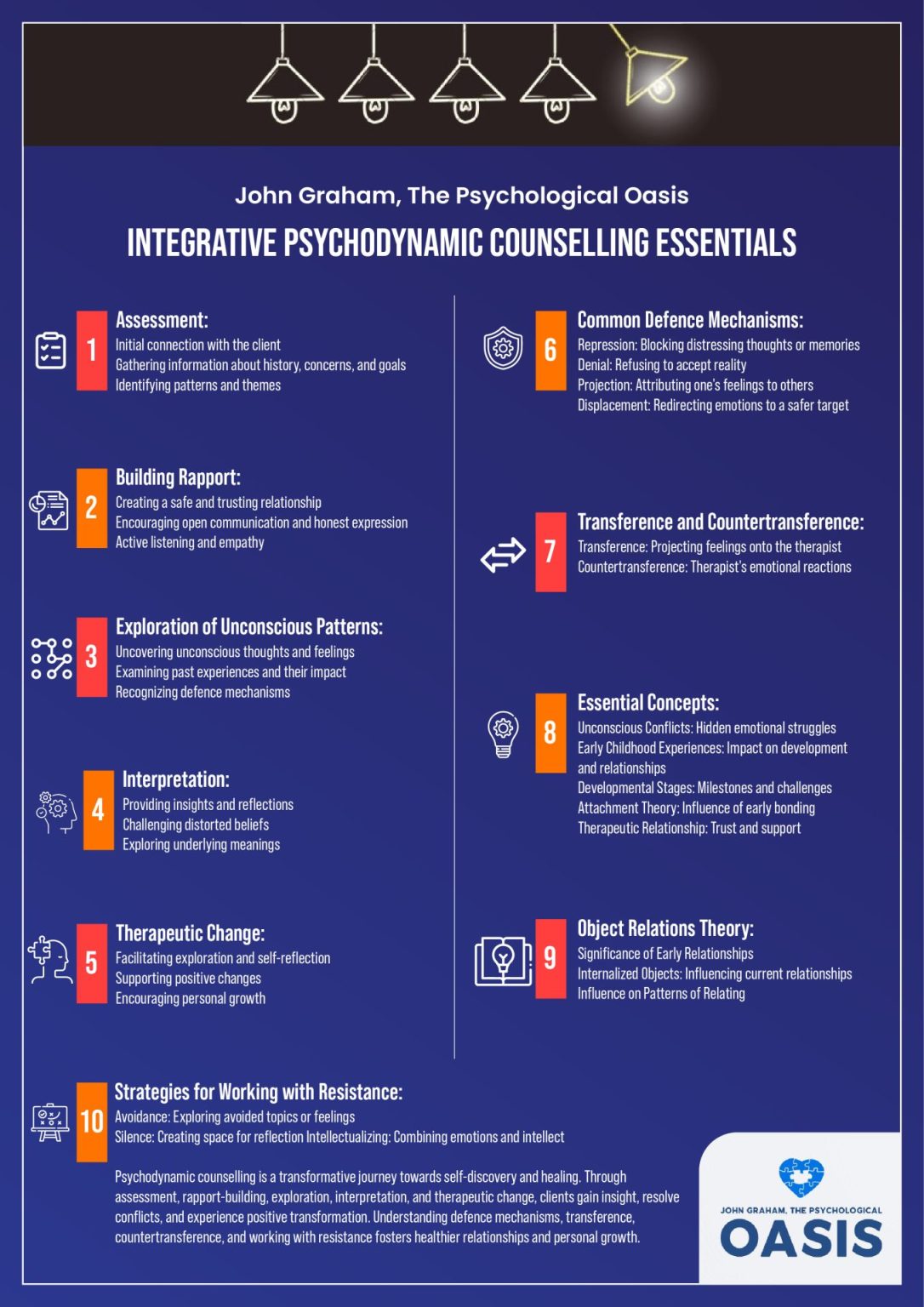
Psychotherapy is critical to the mental well-being of many. While there is little doubt that psychotherapy is effective, like any other process it must follow a systematic pattern to be successful. There are several stages in this process and understanding them makes any kind of therapy session more beneficial for the counsellor and the person in counselling.
Several major steps need to be undertaken for the cycle of dynamic counselling to become a transformative journey of self-discovery and healing for the participant. The first step is assessment. This is where the counsellor finds out as much as possible about the client. After this rapport will be built to create a safe and trusting relationship between the counsellor and the client.
Exploration of patterns that may be causing specific behaviors based on past experiences is then done and an interpretation is given. The process also involves a therapeutic change in which the client makes strides toward experiencing personal growth.
There are several other stages that the client may go through which can see them projecting feelings onto their therapist and refusing to accept responsibility. All of these are coping mechanisms that must be worked through during counselling.
During psychodynamic counseling, the counselor will seek to go deeper with the patient so that they can identify traumatic experiences from their childhood and any past unconscious conflicts they have hidden that are impacting their lives today.
If you are looking to learn more about psychodynamic counselling and get an in-depth look at all the stages involved.








 beurownlight.com