Effective Ways To Safeguard Your Mental Health When Facing Internet Blackmail by Brooke Chaplan.

(image: Domenico Loia, Unsplash)

With the rise of technology, we have access to countless benefits, including easy communication and access to vast information. Despite these benefits, there are also many risks, such as increasing cases of internet blackmail. The impact of internet blackmail cannot be underestimated. It is often accompanied by anxiety, fear, and depression, which can lead to serious mental health conditions. As such, it is important to learn effective ways to safeguard your mental health when facing internet blackmail.

Seek Professional Help

One of the most effective ways to safeguard your mental health when facing internet blackmail is to seek professional help. Internet blackmail can lead to severe mental health conditions, and seeking professional help can help mitigate and manage these conditions, hence speeding up the healing process. An internet blackmail exposure consulting licensed therapist or counsellor can help you work through your fears and anxiety while providing much-needed guidance and support that is essential for recovery.

Limit the Duration of Internet Activity

Limiting the duration of internet activity is another way to safeguard your mental health. When facing blackmail, it is important to reduce the amount of time spent on the internet to avoid continuous exposure to threats and messages. As much as possible, avoid reading messages or emails that contain blackmail, as they can trigger anxiety, fear, and other emotions that can lead to serious mental and emotional turmoil.

Prioritise Self-Care

It is easy to overlook self-care when dealing with the stress of internet blackmail. However, this is the time when you need to prioritise taking care of yourself. Engage in activities that promote relaxation, such as meditation, yoga, or exercise. Also, prioritise a healthy diet and get plenty of rest. These activities and self-care measures can help reduce the impact of anxiety and depression, ultimately safeguarding your mental health. If you need to see your GP due to the stress or need medication to help you prescribed by a doctor, that is important too. Don’t suffer in silence.

Talk to a Trusted Friend or Family Member

It can be challenging to deal with internet blackmail alone. That’s why it’s important to talk to someone who can offer their support and advice. Share your situation with someone that you trust, such as a friend or a family member. They can offer an unbiased perspective, as well as much-needed emotional support. Talking to someone you trust can help reduce feelings of isolation and loneliness that can often accompany this. If what is happening to you is illegal, you may want to speak to the Police or a helpline too.

Practice Mindfulness

Mindfulness is an effective way to safeguard your mental health when facing internet blackmail. This involves paying attention to your thoughts and feelings as they arise in the moment without judgment. Mindfulness can help reduce the impact of negative emotions that can lead to anxiety and depression. By being present in the moment, you can gain a greater sense of control, which can help reduce the negative thoughts and feelings that accompany this.

In conclusion, dealing with internet blackmail is, without a doubt, stressful and overwhelming. However, you can take effective steps to safeguard your mental health by seeking professional help, limiting internet activity, practicing self-care, talking with a trusted friend, and practicing mindfulness. Remember, prioritising your mental health is essential during these trying times, and by following these steps, you can mitigate the impact of threats and ensure that you can heal and move forward.

This article was written by Brooke Chaplan, freelance writer.

10 Tips For Supporting A Loved One Struggling with Alcohol Dependence by Elizabeth Howard.

(image: Alvin Mahmudov: Unsplash)

Alcohol dependence is an addiction that has a significant effect on the person who is struggling with it, as well as their loved ones. While it might be difficult, aiding someone through their recovery process is essential to assist them in kicking their alcohol addiction. These are some insightful suggestions for offering a loved one struggling with alcohol dependence genuine support.

Understanding the Nature of Alcoholism

Understanding the nature of alcohol dependence is crucial for providing appropriate support to a loved one who is struggling with the addiction. Physical and psychological dependence are both aspects of the complicated illness. . Knowing the nuances of this lays the groundwork for providing knowledgeable and empathetic support.

Foster Open Communication

Encourage your loved one to communicate honestly and openly. Establish a secure environment where people can freely express their ideas and experiences without worrying about being judged. They can communicate their emotions to you in a non-judgmental setting, which helps to develop trust and reinforce your bond. This candid conversation is essential to comprehending their viewpoint and offering useful assistance.

Educate Yourself About Alcohol Addiction

When it comes to assisting someone who is battling alcohol dependence, knowledge is a powerful tool. Spend some time educating yourself on the various facets, including its causes, effects, and the available treatment options. If you are well-informed, you will be able to provide support that is more meaningful to the individual and will become an invaluable resource for them on their path to recovery.

Encourage Professional Help

Encouraging your loved one to seek professional aid is just as vital as providing emotional support. They will have access to professional help that is designed to meet their unique requirements if you suggest therapy or counselling to them. They can also use free alcohol addiction helplines to connect them with experienced specialists who can offer urgent support and guidance at any time.

Set Boundaries

Being your loved one’s supporter means looking after yourself too. Set up healthy, defined boundaries for your own emotional and physical wellbeing. Maintain your composure while asserting these limits and be sure to explain that you are doing it to maintain a healthy and supportive connection between you and the other person. By establishing boundaries, you foster a more positive dynamic.

Attend Support Groups Together

Investigate the option of joining support groups together as a group. Friends and family members whose lives have been impacted by the addiction of a friend or loved one might find a supportive community in these groups. It can be really encouraging to talk to other people who have gone through similar experiences, and it can provide useful insight into different ways of dealing with difficult situations.

Practice Patience and Empathy

Alcohol dependence recovery is a progressive process that calls for both tolerance and compassion. Recognise that setbacks and relapses are possible and that this is a journey. Adopt a compassionate stance in these instances instead of passing judgement, stressing the significance of carrying out the healing process. Your constant support through thick and thin can play a big part in their eventual success, however not everyone is the same.

Encourage Healthy Lifestyle Changes

Encourage healthy behaviours to help in the healing process. Inspire people to engage in regular physical activity, maintain a healthy diet, and get enough sleep. Not only does engaging in healthy behaviours contribute to one’s physical well-being, but it also helps in the improvement of one’s mood and the reduction of stress.

Celebrate Milestones

Maintaining motivation throughout the process requires acknowledging and celebrating victories at every stage of the healing process, regardless of how minor they can appear. Positive reinforcement can be provided by acknowledging accomplishments along the path to recovery, such as abstaining from alcohol for a short time, finishing a counselling session, or achieving a particular objective. By celebrating together-achieved milestones, you can improve your connection with one another and emphasise the significance of their efforts.

Be a Source of Consistent Support

When helping a loved one through alcohol dependency, consistency is the most important thing you can do. Maintain a persistent commitment to the welfare of the people you care about to establish yourself as a dependable source of assistance. They may report feeling more confident and secure in their ability to heal because of this unwavering support, which helps establish trust and confidence. Keep in mind that the steadfast dedication you show toward helping them can be a big factor in their recovery.

Understanding, empathy, and encouragement are necessary while helping a loved one who is battling alcohol dependency. You can help them heal a great deal by being involved in their path, remaining informed, and encouraging good adjustments. Consider calling a helpline for professional advice and support if you or someone you know needs help right away.

This blog was written by Elizabeth Howard.

Road to Recovery: 5 Ways To Combat Addiction by Lauren Perry.

(image: free image)

Addiction is a multifaceted problem that can impact individuals from all walks of life, irrespective of their age, gender, or background. Whether it’s substance abuse, alcohol addiction, or behavioural disorders, seeking help is the first step to recovery. In this article, we will explore five ways to combat addiction and pave the way to a healthier, addiction-free life. Whether you’re personally grappling with addiction or you’re supporting someone on their path to recovery, these insights will provide valuable guidance for understanding and combating addiction effectively.

Seek Professional Help

The journey to recovery from addiction frequently commences with the essential step of seeking professional help. Therapists, counsellors, and healthcare providers play pivotal roles in guiding individuals toward a healthier, addiction-free life. For those dealing with co-occurring mental health and substance abuse disorders, specialised treatment centers, known as dual-diagnosis treatment centers, offer a higher level of care and a tailored approach to recovery. These centers are equipped to assess and address the root causes of addiction, including the often complex interplay of underlying mental health issues.

Build a Support System

In the journey of addiction recovery, building a robust support system is an invaluable asset. Building a support system involves connecting with loved ones and friends or engaging in support communities, like Alcoholics Anonymous (AA) or Narcotics Anonymous (NA). The path to recovery is undeniably challenging, and having a network of individuals who understand and care can make a significant difference.

Sharing experiences and challenges with others who have faced similar struggles can provide a unique bond and a sense of belonging, reducing feelings of isolation and alienation that often accompany addiction. This shared journey toward recovery cultivates a sense of hope and resilience, proving to individuals that they are not alone in their pursuit of a healthier, addiction-free life.

Cognitive-behavioral therapy (CBT)

Behavioral therapy (CBT) is a known and highly effective method used in addiction treatment. CBT zeroes in on identifying and transforming negative thought patterns and behaviors intricately linked to addiction. Through collaboration with a therapist, people gain the ability to explore the seated origins of their addiction, which are frequently connected to past events or instances of trauma.

This profound self-reflection is a crucial initial step toward recovery. CBT equips individuals with the tools to challenge and modify self-destructive habits and beliefs, empowering them to break free from the cycle of addiction and pursue a life of lasting sobriety. CBT is not merely a therapeutic intervention; it’s a transformative journey that enables individuals to regain control over their lives, nurturing emotional resilience and self-awareness as they navigate the path to recovery.

Medication-Assisted Treatment (MAT)

Medication-assisted therapy (MAT) contributes to aiding individuals in their quest to conquer addiction. This comprehensive strategy combines counselling and behavioural therapies with specific medications designed to reduce cravings and alleviate withdrawal symptoms. Substances like methadone, buprenorphine, and naltrexone can be prescribed as part of MAT, tailored to an individual’s unique needs. MAT is a significant aid in addressing the physical aspects of addiction, facilitating a more comfortable and effective journey toward recovery. By helping to manage the intense cravings and symptoms of withdrawal, MAT can make the process more manageable and increase the chances of successful, long-term recovery.

Lifestyle Changes and Self-Care

In the pursuit of addiction recovery, the role of lifestyle changes and self-care cannot be overstated. A healthy lifestyle is a cornerstone for maintaining lasting recovery. Incorporating regular physical activity, adopting a balanced diet, and ensuring adequate sleep are fundamental steps in restoring both physical and emotional well-being. These changes not only promote physical health but also contribute to emotional stability, fostering a more robust foundation for recovery. Additionally, self-care practices such as mindfulness meditation, yoga, and stress management techniques play an instrumental role in reducing the risk of relapse.

By nurturing mental and emotional resilience, individuals can better cope with the challenges they may encounter on their journey toward a healthier, addiction-free life. These practices instill the necessary tools to manage stress, anxiety, and other emotional triggers, ultimately enhancing an individual’s ability to make healthy choices and maintain a life free from addiction.

Conclusion

Overcoming addiction is a demanding yet crucial path for individuals battling it and their families. Seeking professional help, building a support system, engaging in therapies like CBT, considering medication-assisted treatment, and adopting a healthy lifestyle can significantly improve the chances of recovery. It’s important to remember that addiction is a treatable condition, and with the right strategies and support, a fulfilling, addiction-free life is achievable.

This article was written by Lauren Perry.

Maintaining Mental Wellbeing: Tips for Navigating an Alcohol Assessment Centre by Brooke Chaplan

(Image: free image)

The decision to seek help for alcohol use disorder is an important one. It takes courage to admit that you need assistance, and taking the first step toward recovery can feel like a daunting task. One of the early steps of recovery is an alcohol assessment centre, which can assess your condition, provide treatment recommendations, and connect you to ongoing support. However, navigating an assessment centre can be overwhelming, especially if you are feeling vulnerable or uncertain. In this post, we will discuss some tips for maintaining your mental well-being while navigating an alcohol assessment centre.

Educate Yourself

Before entering an assessment centre, take some time to educate yourself about the process and what to expect. This can help to ease anxiety and provide a sense of control in an unfamiliar environment. You can research online, check out the centre’s website, or speak with someone who has been through the process before.

Prepare Mentally and Emotionally

Entering an assessment centre can be a nerve-wracking experience, but it’s essential to prepare yourself mentally and emotionally. You might consider bringing along a trusted friend or family member who can offer support and help you stay grounded. You can also practice mindfulness or deep breathing exercises to help you stay centred.

Speak Openly and Honestly

It’s important to be honest about your alcohol use, even if you feel embarrassed or ashamed. The professionals at the assessment centre require accurate information to provide the best treatment options for your specific needs. Honesty also helps to build trust and openness in the therapeutic relationship between you and your counsellor.

Focus on Your Goals

Entering an assessment centre can be overwhelming, but it’s essential to focus on your goals for recovery. Discuss your goals with your counsellor, and work with them to develop a plan for achieving them. Remembering why you’re seeking help and what you want to achieve can help motivate you and make the process easier.

Take Care of Yourself

Finally, remember to take care of yourself while going through an assessment centre. It’s essential to prioritise your mental and physical well-being, which can include eating well, drinking plenty of water, and getting enough rest. Self-care also means taking breaks when necessary, practicing healthy coping mechanisms, and setting boundaries with those around you. Navigating an alcohol assessment centre can be overwhelming, but it’s an essential step towards recovery from alcohol use disorder.

By educating yourself about the process, preparing yourself mentally and emotionally, speaking honestly with your counsellor, focusing on your goals, and taking care of yourself, you can maintain your mental well-being while going through the process. It is highly recommended to reach out to facilities where you are, like A Better Choice Counselling/ Alcohol, Drug & Assessment Center, for more information or to answer any questions you may have.

Remember, seeking help for alcohol use disorder is a brave decision, and with the right support and resources, recovery is possible

Soul Bird- India Arie’s Teaching and Life Changes by Eleanor

(Image: Be Ur Own Light Blog made on Canva).

So what is a soul bird?

You know a soul bird by the intention with which they live their life. Us soulbird’s are seeking to give life to our wings and wings to our dreams.

With the intention of making our world a better place.

One person at a time beginning with OURSELVES!

A soul bird can be a thinker, a dreamer, a lover, a warrior, a spiritualist, a seeker, a teacher, an adventurer, an artist, a helper, a doctor, a mom or dad. See the thing is its not WHAT you do, its WHY you do what you do.  

Simply put a soulbird is a person living with the intention, growing, rising up, elevation, because we know that like Ghandi said ‘we must be the change we wish to see in the world’. Lets spread the wings of our souls and elevate.’

– India Arie.

10 years ago, I wrote this teaching by the singer and spiritualist India Arie on my old blog ‘Mirror of my World’. I was 25, just 6 months before I became really ill with my bipolar again and India was like this big sister I had never met but she spoke to my soul. I was a soulbird then and despite so much time elapsing, I feel like one now. Everything that I do (most things) are intentional and to help others- in my work life and I try to do so in my personal life too.

I am going through a lot of changes in my life right now. The pieces that came together with my career, physical health and other things (like our move) seem to be drifting apart. However, I know this is temporary and change will come. My dreams will manifest and things will get better, but it is hard when you are in an uncertain place and things can feel overwhelming.

Until I feel ready to write and open my heart fully, sometimes its good to look back and see who you were, are and who you are becoming.

Keeping dreaming, holding love in my heart and ten years later, I have the partner I need who supports me and is kind. Despite some losses that I am feeling keenly today, I know I have the support of my husband and family and good friends, as well as a supportive therapist, which means the world. I am lucky and I know that this too shall pass.

Ellie x

5 Effective And Healthy Strategies To Work Though Grief by Lizzie Weakley.

(image: Nick Hewing: Unsplash)

Losing someone dear to you can be emotionally and mentally draining, and at times, it can all feel overwhelming. Grief is a normal response to loss, and while it may seem challenging to find a way forward, there are several strategies that can help you work through it effectively and healthily. This blog post will look at five effective and healthy strategies that can help you work through grief, including counselling, self-care, and finding a support system.

Grief Counselling

Grief counselling is one of the most effective strategies to work through grief. At counselling, you can talk about your feelings, thoughts, and emotions about your loss, which helps you to understand your grief and find ways to work through it healthily. A counsellor can provide you with a safe space to explore your thoughts and feelings, learn coping techniques that work for you, and offer helpful suggestions to help you move forward. You could also consider joining a bereavement group, where you can listen to others and share your experiences of grief.

Self-Care

Grief can take a toll on your physical health, both emotionally and mentally. Practicing self-care is essential in helping you work through your grief effectively. Ensure that you take time to care for yourself by getting enough sleep, eating well, exercising, and engaging in activities that make you feel happy and fulfilled. Engaging in mindfulness practices like yoga, meditation, and deep breathing exercises can also help you feel calm and reduce anxiety.

Find a Support System

You don’t have to go through grief alone; surrounding yourself with people who care for you can help you manage and work through your grief healthily. You can find a support system in close friends, family members, or professional caregivers like hospice workers. The support system will offer you an ear to listen to, a shoulder to cry on, and will help you to continue with your day-to-day activities.

Journalling

Writing down your emotions and thoughts about your loss can be cathartic and helpful in working through your grief. Journalling helps you to identify and understand your feelings, and it gives you an outlet to express your emotions without fear of judgment from others. By exploring your emotions through writing, you can heal your emotional pain and find a way forward.

Seek New Experiences

The loss of someone or something dear to you can make the world seem dull and uninteresting. However, seeking new experiences can help you work through your grief. As scary as it may seem, engaging in new activities or pursuing new hobbies can distract your mind from your grief and help you get back to your normal routine. New experiences can offer you a sense of fulfillment, joy, and purpose.

Everyone grieves differently, but it’s vital to find a strategy that works for you and helps you work through your grief healthily. Grief takes time, and it may be a bumpy road, but with time, you can find ways to move forward while still remembering and loving the person you lost.

Hopefully these five effective and healthy strategies will offer some guidance to those who are mourning and trying to work through their grief. Remember that it’s okay not to be okay, and seeking help is a strength, not a weakness.

This blog was written by freelance writer Lizzie Weakley.

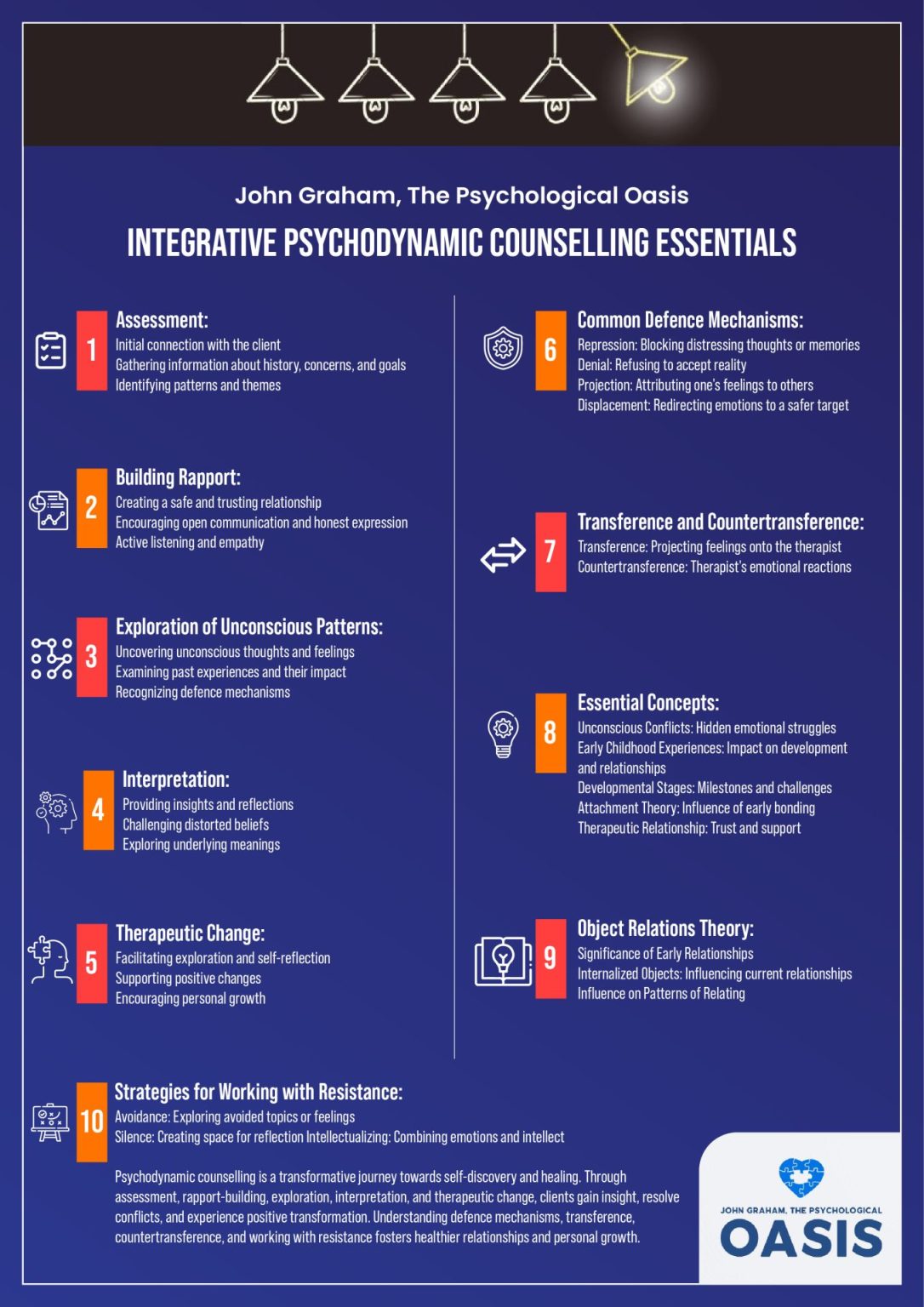
About Integrative And Psychodynamic Counselling : by John Graham.

(image: Shea Rouda: Unsplash)

Psychotherapy is critical to the mental well-being of many. While there is little doubt that psychotherapy is effective, like any other process it must follow a systematic pattern to be successful. There are several stages in this process and understanding them makes any kind of therapy session more beneficial for the counsellor and the person in counselling.

Several major steps need to be undertaken for the cycle of dynamic counselling to become a transformative journey of self-discovery and healing for the participant. The first step is assessment. This is where the counsellor finds out as much as possible about the client. After this rapport will be built to create a safe and trusting relationship between the counsellor and the client. 

Exploration of patterns that may be causing specific behaviors based on past experiences is then done and an interpretation is given. The process also involves a therapeutic change in which the client makes strides toward experiencing personal growth.

There are several other stages that the client may go through which can see them projecting feelings onto their therapist and refusing to accept responsibility. All of these are coping mechanisms that must be worked through during counselling.

During psychodynamic counseling, the counselor will seek to go deeper with the patient so that they can identify traumatic experiences from their childhood and any past unconscious conflicts they have hidden that are impacting their lives today.

If you are looking to learn more about psychodynamic counselling and get an in-depth look at all the stages involved.


Infographic Design By “Unlock Your Inner Oasis with John Graham”

How To Safely Treat An Eating Disorder by Lizzie Weakley.

(image: Annie Spratt: Unsplash)

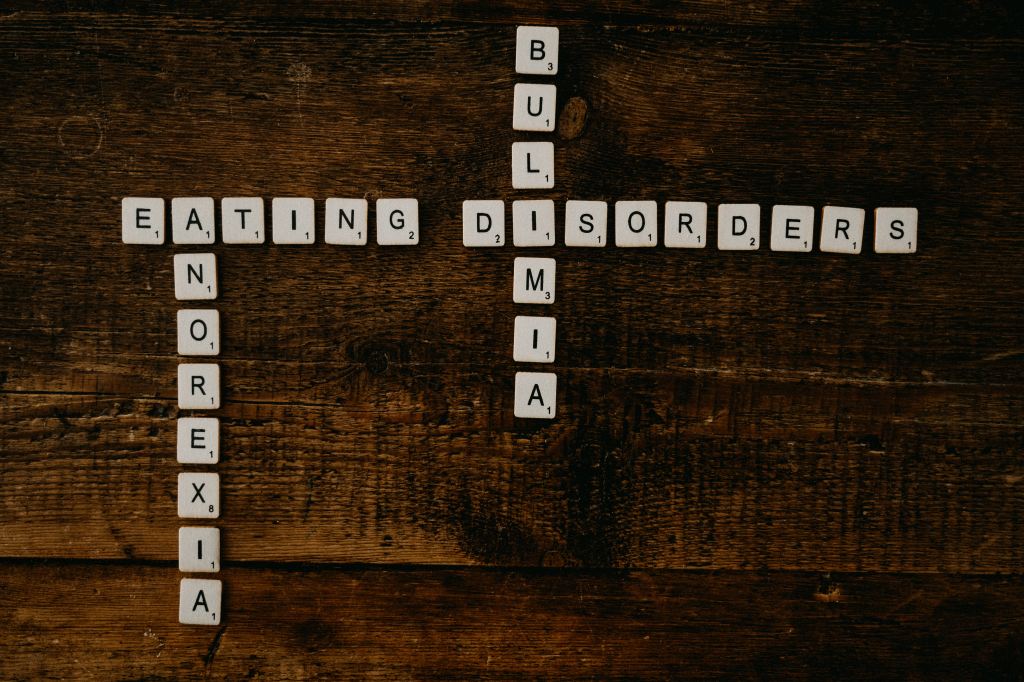
Eating disorders are complex mental health conditions that require a multi-dimensional approach to treatment. They can affect people of all ages, genders, races, and backgrounds, causing severe emotional and physical distress if left untreated. The good news is that there are many safe and effective treatment options available to those struggling with eating disorders. This article will explore some of the most effective ways to safely treat an eating disorder, including therapy, medication, nutrition counselling, and support groups.

Eating Disorder Treatment Therapy

One of the most important aspects of care is eating disorder treatment therapy. There are different types of therapy available to those struggling with an eating disorder, such as cognitive-behavioural therapy (CBT), dialectical behaviour therapy (DBT), and family-based therapy (FBT). These therapies can help individuals identify and change distorted thoughts and behaviours around food, body image, and weight. CBT is particularly effective in treating individuals with anorexia nervosa and bulimia nervosa, while DBT can help those struggling with binge eating disorder and emotional dysregulation. FBT is a family-based approach to treating eating disorders in adolescents and children, which focuses on empowering the family to help the individual recover.

Medication

Medication may also be prescribed to individuals with eating disorders, particularly those with comorbid conditions such as anxiety or depression that are affecting their recovery. Antidepressants can help reduce symptoms of depression or anxiety, while antipsychotics may be prescribed for those with severe symptoms of body dysmorphia, or the distorted belief that their body is flawed. However, medication should be used alongside therapy and other forms of treatment, and under the close supervision of a medical professional.

Nutrition Counselling

Nutrition counseling can be an important part of eating disorder treatment, particularly for those with severe malnutrition or gastrointestinal problems. A registered dietitian can help individuals create a balanced and customized meal plan, learn about appropriate portions, and manage food fears and weight concerns. Nutrition counseling may also include education around mindful eating, intuitive eating, and healthy coping mechanisms. However, it is important to note that nutrition counseling alone is not sufficient for treating eating disorders.

Support Groups

Support groups can be a valuable resource for individuals struggling with eating disorders, as they provide a safe and non-judgmental environment for sharing experiences and gaining support. They can be particularly beneficial for those who cannot afford or access individual therapy, or who prefer a group format. Local and online support groups are available, and many are free or low-cost. Support groups can also provide a sense of community and belonging, which can be helpful in reducing feelings of isolation and loneliness.

Eating disorders can be devastating, but there is hope for recovery. Treatment may involve a combination of therapy, medication, nutrition counselling, and support groups, depending on the individual’s unique needs and circumstances. Recovery is a journey, and it may take time and patience, but with the right support and resources, it is possible. If you or someone you know is struggling with an eating disorder, reach out to a healthcare professional for help. Remember, you are not alone.

Lizzie Weakley is a freelance writer from the USA.

How To Navigate Grief With Self Care and Counselling Strategies By Brooke Chaplan.

(image: free image)

Grief is a difficult emotion to process, especially when it’s the result of the death of a loved one. It can be overwhelming and can seem never-ending. While it’s impossible to rid yourself of grief completely, there are ways to manage it so that you can start living your life again. Read on to learn more about how self-care strategies and counselling can help you navigate your grief.

Self-Care Strategies for Navigating Grief

One of the best ways to deal with grief is through self-care practices. These are activities that allow you to focus on yourself and give yourself permission to take some time away from your feelings. Here are some tips for engaging in self-care while grieving:

Take time away from work or school

Give yourself permission to step away from your daily obligations and focus on taking care of yourself during this difficult time.

Get outside

Nature is proven to help reduce stress levels, so go for a walk or spend some time outdoors in whatever feels natural (hiking, swimming, etc.).

Spend time with friends or family

Surrounding yourself with people who love and understand what you’re going through can be incredibly helpful during times of grief. Talk openly about your emotions—it may help relieve some of the pain.

Find activities that bring joy

Find activities that bring joy into your life—even if it’s just for a few minutes at a time! Whether it’s reading, painting, listening to music, playing sports, or whatever else makes you happy—give yourself permission to do what brings joy.

Counselling Strategies for Dealing With Grief

Sometimes self-care isn’t enough; everyone needs extra support sometimes, and if that’s true for you, grief counseling may be an option worth considering. Talking through experiences with an outside perspective can help make sense of seemingly senseless situations. Counsellors have been trained in techniques specifically designed to help those dealing with loss manage their emotions in healthy ways. Additionally, counsellors also provide other strategies, such as cognitive behavioural therapy (CBT), which is often used as a way to reframe negative thoughts and behaviours associated with grief into more positive ones. This can lead to improved mental health over time for many and provide insight into how best to handle future losses should they occur again. There are other forms of therapy you could try too, so research and find whats best for you.

Grief is an emotion that everyone will experience at some point in their lives—and it doesn’t always come easily or naturally. But by implementing self-care practices such as taking breaks from work or school and finding activities that bring joy into your life, along with seeking professional counselling services if needed, navigating grief becomes less daunting of a task than it may initially seem when faced with a loss of any kind.

Ultimately, no two people will grieve in quite the same way; however, these strategies serve as a starting point for anyone looking for support during this difficult journey we call life.

Brooke Chaplan is a freelance writer from the USA.

10 Steps To Managing Your Anxiety by Anita Ginsburg.

(image: Joice Kelly at Unsplash)

Anxiety is a natural response to stress, but sometimes it can become overwhelming and interfere with your daily life. If you’re struggling with anxiety, you don’t have to go it alone. There are many effective strategies for managing anxiety that psychiatrists and mental health professionals use every day. Here are 10 proven strategies for reducing anxiety and taking control of your thoughts and feelings.

Identify Your Triggers

The first step in managing your anxiety is to identify what triggers it in the first place. Is there a specific situation, person, or event that causes you to feel anxious? By recognizing these triggers, you can begin to take steps to avoid them or find ways of coping when they do arise.

Keep a Stress Journal

Keeping track of your thoughts and feelings can be a great way to gain insight into how your body reacts to certain situations and how best to manage them. Write down any physical sensations, emotions, or triggers that contribute to your anxiety so that you can better understand what’s causing it and how best to deal with it.

Exercise Regularly

Exercise is not only a great way to burn off pent-up energy but also helps release endorphins which act as natural mood boosters. Even just a few minutes of exercise each day can help reduce stress levels and improve overall mental wellbeing.

Practice Relaxation Techniques

Taking time out of each day for relaxation is essential for keeping your stress levels low. Take up yoga, practice deep breathing exercises, or listen to calming music before bed each night—whatever works for you. Finding activities that bring about relaxation will help reduce the intensity of your anxiety over time and lead towards more peaceful days ahead.

Talk To Someone

Talking about the things that are causing you anxiety is often the first step in taking control of it again; whether it be with family members, friends, or even professional psychiatric services, like New Tele Doc, if needed. Having someone else who you trust to talk through issues with can help put problems into perspective and provide clarity on potential solutions going forward—something we often need when dealing with our own anxieties.

Get Enough Sleep

Lack of sleep can exacerbate existing anxieties so make sure you get at least 7-8 hours per night whenever possible; if not more depending on personal circumstances. If insomnia is an issue then try getting outside during daytime hours (weather permitting) as exposure to sunlight helps regulate the body’s natural circadian rhythm which aids in quality sleep later at night.

Eat Well and Drink Water

Eating well balanced meals throughout the day helps keep energy levels high while avoiding unhealthy snacks or sugary drinks which can cause blood sugar spikes/drops leading towards feelings of fatigue/anxiousness respectively. Similarly drinking lots of water helps ensure good hydration levels which makes us feel more alert mentally whilst providing physical benefits too.

Practice Mindful Meditation

Mindful meditation involves focusing on one’s thoughts without judgment in order to allow yourself some time away from any negative self-talk or worrying thoughts; allowing yourself time away from such things has been proven beneficial for those struggling with anxiety issues. It’s important however not to focus solely on this technique as other methods should always be employed alongside mindful meditation too when tackling any difficult issue such as this one.

Avoid Caffeine and Alcohol

Both caffeine and alcohol are known stimulants which if consumed regularly can increase adrenal hormones leading towards heightened states of fear, anxiety, and nervousness. Try replacing coffee/tea based beverages (which contain caffeine) instead with green tea or fruit juices (which don’t!) as these are far healthier options overall particularly when trying to combat any pre-existing anxieties already present within oneself.

Break Negative Thinking Patterns

Lastly breaking negative thinking patterns involves challenging any irrational beliefs we may have about ourselves by looking at evidence objectively. This could involve writing down pros and cons for certain decisions we make before acting upon them so we have an understanding of why certain actions should be taken based upon factual evidence rather than assumptions made from our own potentially skewed perspectives.

Everyone experiences periods of worry from time-to-time but learning how best to manage those worries will increase your confidence in being able handle similar situations better next time they arise. By following the above 10 steps anyone suffering from regular bouts of anxiety will likely find their overall quality of life improving dramatically once proper management techniques become part of their daily routine! Psychiatric services such as therapy sessions/medication may also be necessary depending upon individual circumstances. Seeking medical advice should never be seen as a sign of weakness but rather strength instead because ultimately tackling problems head-on is better than running away from them indefinitely.

Anita Ginsburg is a freelance writer.