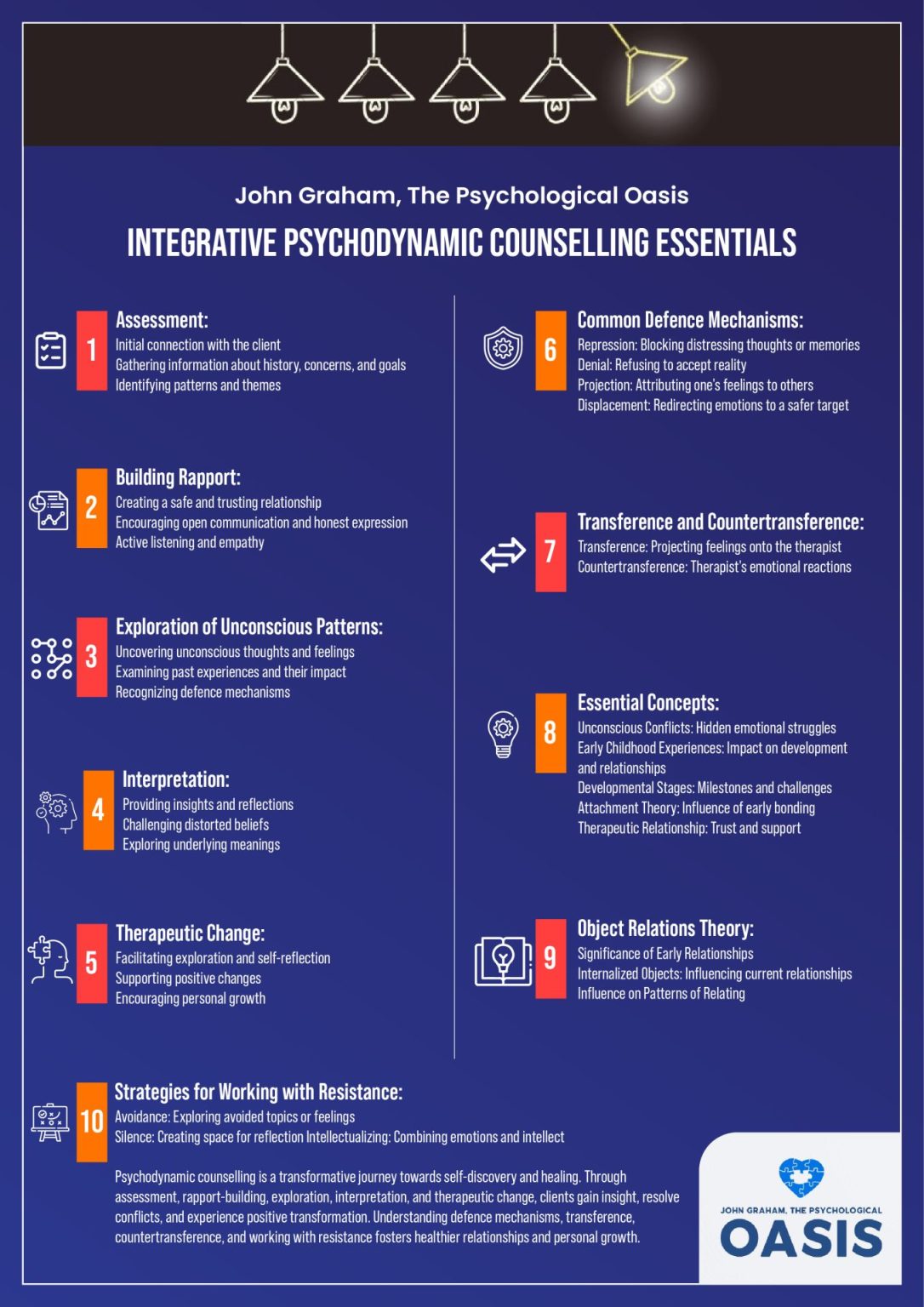
Psychotherapy is critical to the mental well-being of many. While there is little doubt that psychotherapy is effective, like any other process it must follow a systematic pattern to be successful. There are several stages in this process and understanding them makes any kind of therapy session more beneficial for the counsellor and the person in counselling.
Several major steps need to be undertaken for the cycle of dynamic counselling to become a transformative journey of self-discovery and healing for the participant. The first step is assessment. This is where the counsellor finds out as much as possible about the client. After this rapport will be built to create a safe and trusting relationship between the counsellor and the client.
Exploration of patterns that may be causing specific behaviors based on past experiences is then done and an interpretation is given. The process also involves a therapeutic change in which the client makes strides toward experiencing personal growth.
There are several other stages that the client may go through which can see them projecting feelings onto their therapist and refusing to accept responsibility. All of these are coping mechanisms that must be worked through during counselling.
During psychodynamic counseling, the counselor will seek to go deeper with the patient so that they can identify traumatic experiences from their childhood and any past unconscious conflicts they have hidden that are impacting their lives today.
If you are looking to learn more about psychodynamic counselling and get an in-depth look at all the stages involved.
Eating disorders are complex mental health conditions that require a multi-dimensional approach to treatment. They can affect people of all ages, genders, races, and backgrounds, causing severe emotional and physical distress if left untreated. The good news is that there are many safe and effective treatment options available to those struggling with eating disorders. This article will explore some of the most effective ways to safely treat an eating disorder, including therapy, medication, nutrition counselling, and support groups.
Eating Disorder Treatment Therapy
One of the most important aspects of care is eating disorder treatment therapy. There are different types of therapy available to those struggling with an eating disorder, such as cognitive-behavioural therapy (CBT), dialectical behaviour therapy (DBT), and family-based therapy (FBT). These therapies can help individuals identify and change distorted thoughts and behaviours around food, body image, and weight. CBT is particularly effective in treating individuals with anorexia nervosa and bulimia nervosa, while DBT can help those struggling with binge eating disorder and emotional dysregulation. FBT is a family-based approach to treating eating disorders in adolescents and children, which focuses on empowering the family to help the individual recover.
Medication
Medication may also be prescribed to individuals with eating disorders, particularly those with comorbid conditions such as anxiety or depression that are affecting their recovery. Antidepressants can help reduce symptoms of depression or anxiety, while antipsychotics may be prescribed for those with severe symptoms of body dysmorphia, or the distorted belief that their body is flawed. However, medication should be used alongside therapy and other forms of treatment, and under the close supervision of a medical professional.
Nutrition Counselling
Nutrition counseling can be an important part of eating disorder treatment, particularly for those with severe malnutrition or gastrointestinal problems. A registered dietitian can help individuals create a balanced and customized meal plan, learn about appropriate portions, and manage food fears and weight concerns. Nutrition counseling may also include education around mindful eating, intuitive eating, and healthy coping mechanisms. However, it is important to note that nutrition counseling alone is not sufficient for treating eating disorders.
Support Groups
Support groups can be a valuable resource for individuals struggling with eating disorders, as they provide a safe and non-judgmental environment for sharing experiences and gaining support. They can be particularly beneficial for those who cannot afford or access individual therapy, or who prefer a group format. Local and online support groups are available, and many are free or low-cost. Support groups can also provide a sense of community and belonging, which can be helpful in reducing feelings of isolation and loneliness.
Eating disorders can be devastating, but there is hope for recovery. Treatment may involve a combination of therapy, medication, nutrition counselling, and support groups, depending on the individual’s unique needs and circumstances. Recovery is a journey, and it may take time and patience, but with the right support and resources, it is possible. If you or someone you know is struggling with an eating disorder, reach out to a healthcare professional for help. Remember, you are not alone.
Lizzie Weakley is a freelance writer from the USA.
Grief is a difficult emotion to process, especially when it’s the result of the death of a loved one. It can be overwhelming and can seem never-ending. While it’s impossible to rid yourself of grief completely, there are ways to manage it so that you can start living your life again. Read on to learn more about how self-care strategies and counselling can help you navigate your grief.
Self-Care Strategies for Navigating Grief
One of the best ways to deal with grief is through self-care practices. These are activities that allow you to focus on yourself and give yourself permission to take some time away from your feelings. Here are some tips for engaging in self-care while grieving:
Take time away from work or school
Give yourself permission to step away from your daily obligations and focus on taking care of yourself during this difficult time.
Get outside
Nature is proven to help reduce stress levels, so go for a walk or spend some time outdoors in whatever feels natural (hiking, swimming, etc.).
Spend time with friends or family
Surrounding yourself with people who love and understand what you’re going through can be incredibly helpful during times of grief. Talk openly about your emotions—it may help relieve some of the pain.
Find activities that bring joy
Find activities that bring joy into your life—even if it’s just for a few minutes at a time! Whether it’s reading, painting, listening to music, playing sports, or whatever else makes you happy—give yourself permission to do what brings joy.
Counselling Strategies for Dealing With Grief
Sometimes self-care isn’t enough; everyone needs extra support sometimes, and if that’s true for you, grief counseling may be an option worth considering. Talking through experiences with an outside perspective can help make sense of seemingly senseless situations. Counsellors have been trained in techniques specifically designed to help those dealing with loss manage their emotions in healthy ways. Additionally, counsellors also provide other strategies, such as cognitive behavioural therapy (CBT), which is often used as a way to reframe negative thoughts and behaviours associated with grief into more positive ones. This can lead to improved mental health over time for many and provide insight into how best to handle future losses should they occur again. There are other forms of therapy you could try too, so research and find whats best for you.
Grief is an emotion that everyone will experience at some point in their lives—and it doesn’t always come easily or naturally. But by implementing self-care practices such as taking breaks from work or school and finding activities that bring joy into your life, along with seeking professional counselling services if needed, navigating grief becomes less daunting of a task than it may initially seem when faced with a loss of any kind.
Ultimately, no two people will grieve in quite the same way; however, these strategies serve as a starting point for anyone looking for support during this difficult journey we call life.
Brooke Chaplan is a freelance writer from the USA.
Anxiety is a natural response to stress, but sometimes it can become overwhelming and interfere with your daily life. If you’re struggling with anxiety, you don’t have to go it alone. There are many effective strategies for managing anxiety that psychiatrists and mental health professionals use every day. Here are 10 proven strategies for reducing anxiety and taking control of your thoughts and feelings.
Identify Your Triggers
The first step in managing your anxiety is to identify what triggers it in the first place. Is there a specific situation, person, or event that causes you to feel anxious? By recognizing these triggers, you can begin to take steps to avoid them or find ways of coping when they do arise.
Keep a Stress Journal
Keeping track of your thoughts and feelings can be a great way to gain insight into how your body reacts to certain situations and how best to manage them. Write down any physical sensations, emotions, or triggers that contribute to your anxiety so that you can better understand what’s causing it and how best to deal with it.
Exercise Regularly
Exercise is not only a great way to burn off pent-up energy but also helps release endorphins which act as natural mood boosters. Even just a few minutes of exercise each day can help reduce stress levels and improve overall mental wellbeing.
Practice Relaxation Techniques
Taking time out of each day for relaxation is essential for keeping your stress levels low. Take up yoga, practice deep breathing exercises, or listen to calming music before bed each night—whatever works for you. Finding activities that bring about relaxation will help reduce the intensity of your anxiety over time and lead towards more peaceful days ahead.
Talk To Someone
Talking about the things that are causing you anxiety is often the first step in taking control of it again; whether it be with family members, friends, or even professional psychiatric services, like New Tele Doc, if needed. Having someone else who you trust to talk through issues with can help put problems into perspective and provide clarity on potential solutions going forward—something we often need when dealing with our own anxieties.
Get Enough Sleep
Lack of sleep can exacerbate existing anxieties so make sure you get at least 7-8 hours per night whenever possible; if not more depending on personal circumstances. If insomnia is an issue then try getting outside during daytime hours (weather permitting) as exposure to sunlight helps regulate the body’s natural circadian rhythm which aids in quality sleep later at night.
Eat Well and Drink Water
Eating well balanced meals throughout the day helps keep energy levels high while avoiding unhealthy snacks or sugary drinks which can cause blood sugar spikes/drops leading towards feelings of fatigue/anxiousness respectively. Similarly drinking lots of water helps ensure good hydration levels which makes us feel more alert mentally whilst providing physical benefits too.
Practice Mindful Meditation
Mindful meditation involves focusing on one’s thoughts without judgment in order to allow yourself some time away from any negative self-talk or worrying thoughts; allowing yourself time away from such things has been proven beneficial for those struggling with anxiety issues. It’s important however not to focus solely on this technique as other methods should always be employed alongside mindful meditation too when tackling any difficult issue such as this one.
Avoid Caffeine and Alcohol
Both caffeine and alcohol are known stimulants which if consumed regularly can increase adrenal hormones leading towards heightened states of fear, anxiety, and nervousness. Try replacing coffee/tea based beverages (which contain caffeine) instead with green tea or fruit juices (which don’t!) as these are far healthier options overall particularly when trying to combat any pre-existing anxieties already present within oneself.
Break Negative Thinking Patterns
Lastly breaking negative thinking patterns involves challenging any irrational beliefs we may have about ourselves by looking at evidence objectively. This could involve writing down pros and cons for certain decisions we make before acting upon them so we have an understanding of why certain actions should be taken based upon factual evidence rather than assumptions made from our own potentially skewed perspectives.
Everyone experiences periods of worry from time-to-time but learning how best to manage those worries will increase your confidence in being able handle similar situations better next time they arise. By following the above 10 steps anyone suffering from regular bouts of anxiety will likely find their overall quality of life improving dramatically once proper management techniques become part of their daily routine! Psychiatric services such as therapy sessions/medication may also be necessary depending upon individual circumstances. Seeking medical advice should never be seen as a sign of weakness but rather strength instead because ultimately tackling problems head-on is better than running away from them indefinitely.
On the 1st March 2016, I started this blog as a way to provide therapy for myself- as I was going through panic attacks, (caused by trauma). Can you believe that was 7 years ago?! I can’t! Since then I have had several years of therapy and my life changed so much too for the better- I met my husband, we got married and moved to our first home.
The blog has turned into a book Bring me to Light (with Trigger), writing for Metro.co.uk, Glamour, the Telegraph, Happiful, Rethink Mental Illness, Mind and other incredible organisations, I have partnered with large and small brands, charities, businesses, writers to create content that battles stigma on mental health. We have been awarded as a Top 10 UK blog by Vuelio since 2018 (thank you) and I love to share my story to help others and educate people about bipolar, anxiety, panic disorders, psychosis, mania and mental health in the workplace (amongst other mental health topics!). I have also recorded podcasts and have begun speaking in the community about bipolar with my Dad.
I cannot believe it has been 7 years since I opened up my computer to write- I was struggling. a lot. Writing has been such a therapy and a saviour to me.. and I hope this blog helps you too!
As always, I want to thank all my contributors and brands (sponsored or not), as well as the digital agencies and freelance writers who provide content too.
This year March 22- 23 we have featured (where it says my name, I wrote it!)
Car crashes can be some of the lowest moments in any individual’s life. In the aftermath of any accident, it’s common for medics to immediately focus on any physical injuries sustained by the victims. However, in addition to physical wounds, many victims also suffer psychological trauma that may last long after their physical injuries heal.
Studies by the United States Department of Veteran Affairs reveal that more than 20% of car accident victims develop mental trauma, while approximately 10% of victims develop full-blown post-traumatic stress disorder PTSD. This psychological trauma can significantly lower the victim’s quality of life if not addressed.
Car accidents can affect your mental health in the following ways.
1. Emotional distress
Many people struggle with severe anxiety and emotional distress in the few weeks and months after the accident. Recurring nightmares, fearfulness, and avoidance of any form of vehicle travel are common psychological distress symptoms in the aftermath of a car crash. This psychological trauma can be hard to shake off, especially when physical injuries are permanent.
2. Anger and mood swings
Drivers may struggle with guilt and sadness, especially if they were responsible for the crash. Passengers and other victims may channel their anger and frustrations at the driver for causing the crash. Negative thoughts can affect the victim’s relationships at work, home, and school.
3. Depression
High-stress levels can quickly plunge a car accident victim into depression which causes many people to seek refuge in drugs and alcohol abuse. Common signs of depression may include sleeping disorders, appetite loss, suicidal tendencies, and emotional outbursts. Post-car crash depression can be challenging to diagnose and treat without the involvement of a mental wellness specialist.
4. Regression in children
Psychological trauma affects kids in many ways that may affect their mental and physical development. Some common symptoms of regression and mental trauma in children may include loss of concentration, poor grades in school, and bed-wetting.
Ways to improve your mental health state post-accident
It’s necessary to seek professional help if the mental trauma lingers over a few weeks and affects your social and family relationship.
Therapy
Recovering from mental trauma after an accident becomes easier when you seek professional help. A psychologist will guide you on the next steps and what medication to take depending on the severity of your condition. Group therapy with other accident victims can go a long way in relieving stress and helping you ease back to your normal life.
Seek legal help
While victims may receive compensation for physical injuries sustained during car crashes, insurance companies may downplay the psychological impact of such events, especially for victims who don’t suffer physical injuries. Psychological trauma can impact your ability to work and provide for your family hence the need to seek compensation through personal injury claims. Your compensation may help pay for therapy and offset any lost income from car crashes. When seeking legal help from an attorney, provide accurate details of the crash and include medical details from your doctor’s consultation.
Stubbs Law Firm is vastly experienced in various legal solutions, from personal injury to insurance disputes. We help car crash victims get justice, and appropriate compensation for all injuries suffered in car accidents.
This non-sponsored article was written by Stubbs Law Firm.
It’s not just the therapist or psychiatrist alone. The treatment centre/hospital matters in mental health.. It’s not that therapists are bad or unimportant; they can be critical in helping people with mental health concerns start on the road to recovery. However, sometimes treatment centres can have a huge impact on mental health and well-being, as a whole.
Lasting Impact of the Environment
First, the environment in which individuals with mental health concerns receive treatment can have a lasting impact on their mental health. Is the institution warm and welcoming to visitors? Or does it feel sterile and cold? Does it have adequate resources to meet the needs of its patients? Or is it underfunded and overcrowded? All these factors can have a significant impact on recovery, as they may create feelings of anxiety or alienation in the patient. For example, if the institute has Knightsbridge Furniture and a welcoming waiting area for visitors, it may make people feel less anxious about their treatment, because the furniture is designed to provide comfort.
Supportive Staff Members
Secondly, supportive staff members are paramount for mental health recovery. Not only do staff members need to be competent and knowledgeable about the latest treatment techniques and practices; they also need to be warm, welcoming and supportive towards their patients. They should be able to provide a safe space for individuals with mental health concerns to explore their thoughts and feelings without fear of judgment or punishment. This will help foster an atmosphere of trust and healing at the treatment centre/hospital.
Accessible Resources
Third, centres should strive to make resources accessible and available to those in need. Mental health concerns can often be complex and multifaceted, so individuals may require a variety of services. Treatment centres should provide access to everything from basic mental health services such as counselling, to more specialised resources like crisis intervention teams or support groups. If these resources are not readily available, then individuals might not get the help they need when they need it.
Appropriate Levels of Care
Fourth, treatment centres must provide appropriate levels of care for the patients they serve. This includes ensuring that each individual gets the right combination of treatment and support based on their specific needs. For example, a patient with severe depression or other severe illnesses may benefit from both medication management and psychotherapy while someone with mild anxiety may only require weekly therapy sessions.
A Holistic Approach
Finally, centres should strive to provide a holistic approach to mental health care. This means taking into account not only the individual’s diagnosis or symptoms, but also their lifestyle, environment, and social support system. Taking these factors into consideration can ensure that individuals receive the most appropriate treatment for their unique needs. Additionally, it can help facilitate long-term recovery and prevent future issues from developing.
It is clear that when it comes to mental health recovery, a treatment centre/hospital plays a vital role in helping individuals achieve positive outcomes. From providing supportive staff members to making resources accessible and offering a holistic approach to care – institutions must strive to meet the needs of those they serve in order to ensure the best possible outcomes.
So, while it is important to have a skilled therapist or psychiatrist, never underestimate the importance of a supportive and well-resourced treatment centre as part of that overall care. Together, they can provide individuals with everything they need to start on their journey to mental health recovery.
When you need help solving complex problems in your life, you turn to those who are considered to be “experts”. In this case, that may mean working with either a therapist or perhaps a life coach, which is an option gaining in popularity with more and more people. While working with either of these will be similar in many ways, there are distinct differences between a therapist and a life coach.
Licensing and Credentials
To begin with, major differences exist in terms of credentials and licensing. A life coach may have a college university degree in psychology or counselling and have many years of experience working with clients but is not a qualified therapist. On the other hand, a therapist is required in most cases to not only possess graduate-level training, but also be properly licensed where they practice.
Past or Future
When you work with a therapist, the focus usually is on past traumas that are impacting your current life, such as being abused when you were a child. But when you work with a life coach, these sessions often pinpoint specific problems that are happening right now that are impeding your ability to move forward. For example, you may work with a life coach to discover a new type of career you would find more fulfilling.
Long-Term or Short-Term
When most people begin visiting a therapist, they may continue to do so for many years, or in some cases forever. However, personal life coaching is more of a short-term commitment. In fact, the goal of the life coach is to give you the tools and skills needed to eventually coach yourself, but some therapies also aim to do this too.
Structured or Unstructured
While you may have thought therapy sessions are very structured, they are typically quite the opposite. In fact, therapy sessions are guided by the patient and the type of therapy is used to treat them. While a personal life coaching session has the coach, and you, working on developing goal-oriented strategies that let you experience personal and even professional growth along the way.
In conclusion, depending on your situation, it is always possible you may at some point in your life work with both a therapist and life coach. Whether you have sessions with a therapist to work through unresolved childhood trauma or seek out a life coach to help you achieve a better balance between your personal and professional lives, you will soon learn why these professionals and their services are so valuable to clients.
Lizzie Weakley is a freelance writer from Columbus, Ohio.
8 weeks ago when I last wrote, we were about to move into our new home. We have now been settled in and been there 5 weeks. It is so exciting and we have been overwhelmed with love. Moving though is a big life change and has triggered my mental illness again.
Lurking under the surface is my Bipolar/ PTSD anxiety disorder. If I do a lot and am more active, I can’t cope. I always try and do more than I am able and then end up crashing into panic- insomnia, racing anxious thoughts mainly and having to cancel plans. Social anxiety becomes heightened. Last week, I went to my mother in laws in Essex three times and also went to a family wedding (which was so special!). Both were lovely, but on Saturday night, my anxiety was triggered, thinking about going back home and socialising the next day- and my body and mind said Enough. This is too much.
Being on your own when you’re anxious and can’t sleep (but everyone else is) is one of the worst places to be. I actually posted an Instagram message at 6am about how I was feeling because I didn’t want to wake anyone up. People were really kind. I slept for maybe 2 hours and felt teary and emotional on Sunday, but had support from Rob and my family too.
The past few days my anxiety has been unleashed and remains high. I am writing this from my Mums house today as I didn’t want to be on my own again working in our flat . I have booked a session in with my therapist too because I am waking up feeling panicked. Its like my body and brain are trying to protect me from something, an old fight or flight response. I keep having regular panic attacks where I shut down, cry and hide in bed. Speaking to my therapist I know will help me process and clear the triggers behind whats going on.
Living with this is debilitating- but I will not be beaten. I will keep doing all I can to improve my low mood and anxiety, to keep going despite any setbacks and to try to heal my mind and soul so I can feel more confident and happier again.
Thanks for reading, I send love to anyone struggling
It’s always important to seek professional help if you are dealing with a mental health issue. Unfortunately, finding a professional can be harder than you might think. Even if you can find someone for you, you’ll still have to decide upon which type of professional with whom you should work. For most, the answer comes down to knowing the difference between a psychologist and a psychiatrist.
What Is a Psychologist?
Generally speaking, a psychologist is a person with an advanced degree in psychology who works with patients on their mental health. These individuals usually use various types of talk therapy to help individuals work through a diverse number of mental health issues. When many people think of the basic idea of therapy, they’re thinking about what a psychologist does.
When to Choose a Psychologist
It makes sense to choose a psychologist when you’re looking to address your mental health issues without medication. Attempting to change behavior of the long-term is usually best done with the help of a psychologist, especially if you’re looking to get to the root causes of why you feel how you feel. It should be noted, though, that even those who do seek medication can often work with a psychologist as well as a psychiatrist.
What Is a Psychiatrist?
A psychiatrist is specifically an individual who holds a medical degree and specialises in psychiatry. While psychiatrists do conduct many of the same types of therapy as psychologists, they differ from psychologists because psychiatrists can prescribe medication to their patients when needed.
When to Choose a Psychiatrist
The most common reason to choose a psychiatrist is because you are considering the possibility of pursuing some type of medical treatment for your mental health problems. This can range from specific types of medical therapies to medication, but all of these therapies do require a psychiatrist’s oversight. While most do choose psychiatrists because of the medical angle, many psychiatrists do still use talk therapy in a manner similar to psychologists.
It’s important to know what you want from therapy before you make a choice between a psychologist and a psychiatrist. While each type of professional does deal with mental health from a specific angle, whether one is better than the other has everything to do with your personal situation. While you will ultimately need to make the choice between the two, choosing to pursue at least some kind of therapy is a good step on the path to a brighter future.
This article was written by freelance writer Anita Ginsburg