What Tools Go Into Substance Abuse Treatment by Kara Masterson

(image: Darling Quote)

When you’ve developed an addiction to a specific drug or substance, it takes a lot of work to break that addiction. While there are those out there who can use a “cold turkey” approach to addiction, most people have to put in a significant amount of work in order to even begin experiencing healing.

Thankfully, that work comes with tools that can serve people in other areas of their lives. If you’ve been suffering from a substance abuse problem, consider some of the incredible tools that go into helping a person experience a better life.

Replacement Methods

While the cold turkey method works for some people, it often doesn’t work for the rest because they’ll simply hit a point where they either relapse or replace it with something just as harmful. For example, there are people who were able to break a drug habit but the replacement was that they started to overeat instead. Overeating is harmful in its own way as it can lead to different health problems such as obesity and chronic diseases. When you get professional treatments, you’re able to learn how to break a bad addiction and replace it with constructive hobbies and habits.

Professional Therapy

One of the worst things you can do is try to turn a friend or family member into your personal therapist. Their logic is only going to get you so far when you’re trying to beat an addiction. When you’re committed to getting professional substance abuse treatment, you’ll be able to sit and talk with therapists. When a professional has a specialization in treatment for substance abuse, they’re able to recognize signs and symptoms that need to be addressed in order to gain a better approach to your healing journey, along with an insight into methods that are more likely to help you cope with things like detox, cravings, and the specific stressors or triggers that turned you towards drugs in the first place.

Self-Awareness

Self-awareness is so important for each person to have. When you’re aware of yourself, you’ll be able to recognize how much you can handle something. You’ll be able to recognize where you need to course-correct. When you’re working through an addiction treatment program, self-awareness development is an incredible tool because it shows you what needs healing, how you’ve coped with trauma, and more. When you’re aware of yourself, you’ll position yourself to make better choices.

You’ll have to maintain a level of self-discipline that most don’t really want to exert. Think about the millions of people who lose weight. When you’re overweight and stuck on a plateau, weight loss seems impossible. However, if you look at the many testimonials and people who’ve lost weight, you know that it is possible. Use this same logic for your journey through a substance abuse addiction. It is more than possible. Look for examples of people who fought their addiction and won. Use their stories as tools to help you keep going. With this goal, you can dedicate your time to the process, use these tools, and experience a better life. Be kind to yourself and keep going!

This article was written by Kara Masterson.
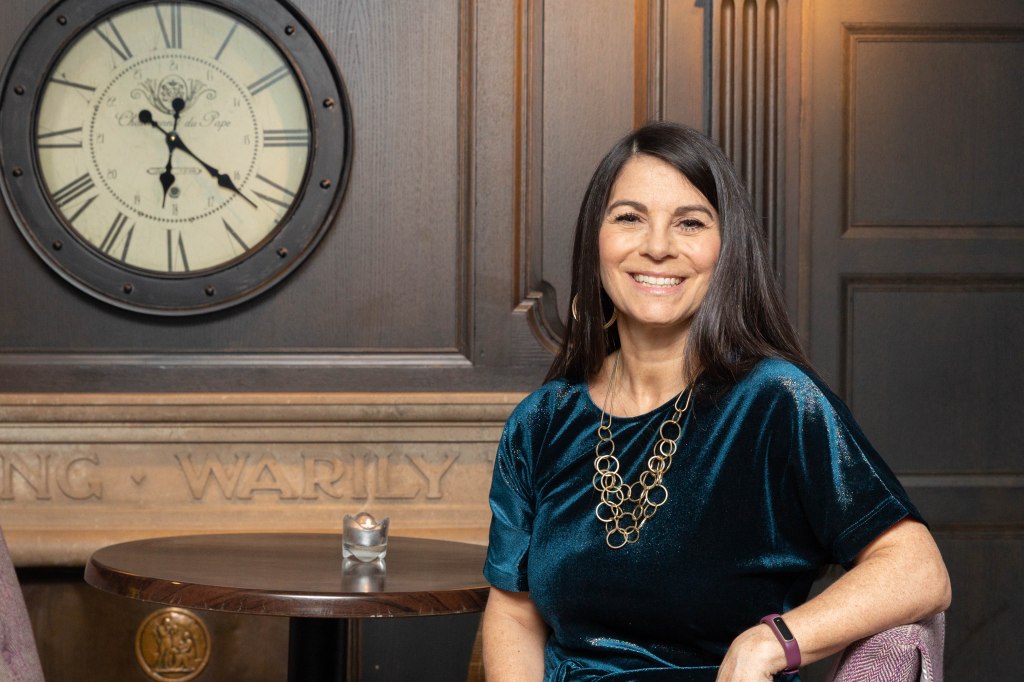
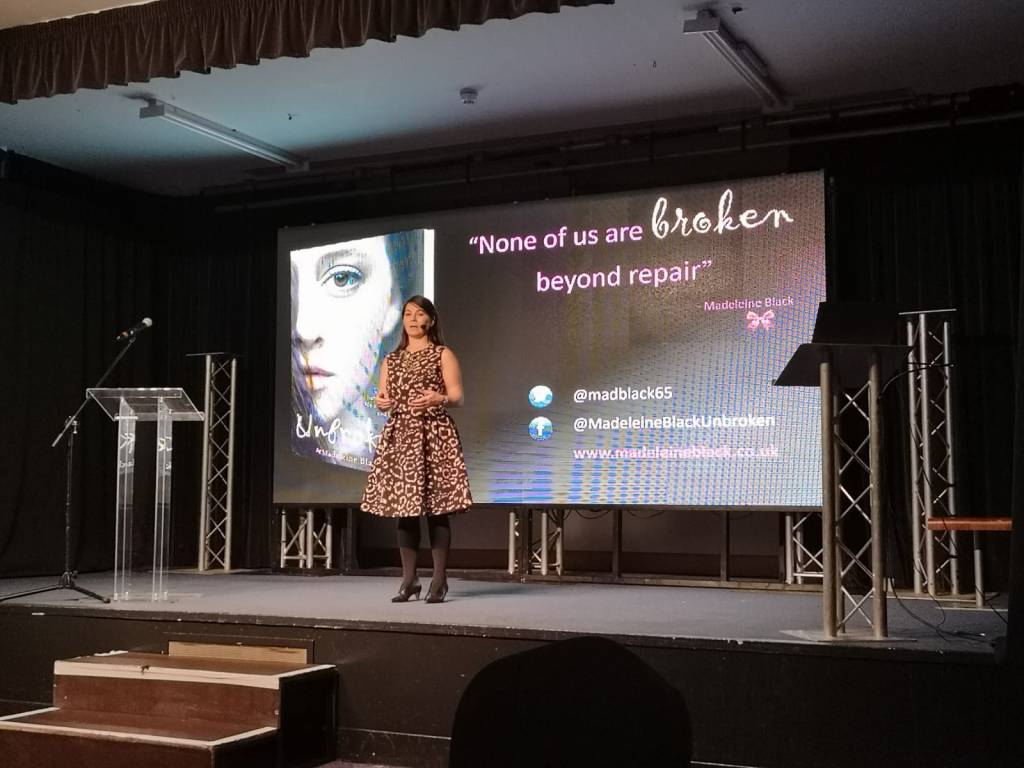
Unbroken- The Inspirational Madeleine Black, The Courage Cultivator. How She Learnt To Heal After Sexual Violence.

(image: Madeleine Black)

Trigger warning: discusses sexual violence and mental illness.

I have known about the incredible speaker, author and advocate Madeleine Black for a while, through my Dad Mike. She is an outstanding and powerful advocate of courage after adversity, of hope after despair and of resilience despite intense pain. For me personally, coming from the same community, I feel that Madeleine is a shining light to so many- as sexual violence has historically not been talked about openly.

Please note the rest of the article will discuss Madeleine’s journey with sexual violence and how she was able to move forward.

Used, Beaten but Never Broken.

I remember wishing they would kill me to make it all end.”- Madeleine Black 

It takes courage to speak the unspeakable. But for many years, Madeleine Black felt too afraid and too ashamed to utter a word of what happened to her. Violently attacked at the age of thirteen, her story is one of pain – but also of healing, resilience and forgiveness. Madeleine uses her personal and moving story to show us that it’s not the events in our life that define us, but by how we choose to reclaim our lives after them. How we become unbroken.

Madeleine grew up in Glasgow, Scotland and London into a loving Jewish family. At the age of 13, she went out with a friend in a group to a cafe in London, drank alcohol for the first time (like a normal teenager) and met two male international students that night, acquaintances of her friend. They took advantage of her age and vulnerability. Instead of dropping her home safely as she was drunk and could not consent, they carried her to a nearby flat and violently gang raped her, leaving her with terrible injuries. Her friend was sleeping in the next room. Madeleine talks of seeing herself floating above her body as if she wasn’t really there – dissociation as a trauma response. She was told by one of the men that if she told anyone about the gang rape, they would come and kill her.

Madeleine has said, ‘For many years after that night, my memories of what happened after he held the blade to my throat and threatened my life were fragmented… difficult to piece together. It was too extreme, too violent for me to understand.’

Madeleine struggled with her mental health following this trauma at such a young age. Living in a state of shock and self-loathing, it took her years of struggle to confront the buried memories of that first attack and begin to undo the damage it wrought, as men continued to take advantage of her fragility in the worst possible way. Madeleine was raped three more times before the age of eighteen, experiencing more trauma in her life than most ever will. Due to the aftermath of the trauma she faced, Madeleine used drugs and alcohol to numb the pain and developed phobias and an eating disorder. While she couldn’t remember lots of details of that night, it left her feeling ‘worthless, dirty and contaminated’. She had a suicide attempt by overdose, hoping to end her life and had her stomach pumped. She was then admitted to a childrens psychiatric unit struggling with suicidal depression and self harm.

After a few years, she eventually found the courage to tell her parents what really happened to her. After growing up with burdens no teenager should ever have to shoulder, she found the heart to carry out the best revenge plan of all: leading a fulfilling and happy life. She met her husband, a loving and kind man, who helped her to heal from the traumas she faced with men and they are happily married and have children together, three daughters. Madeleine learnt through this that she is loveable and she is loved.

(image: Forgiveness Project/Madeleine black)

However, piecing her life back together was long and painful. Forgiveness was the key for her to move forward- not to forgive the act of rape- but to understand what led the rapist to do so. It takes a real desire to understand those who have done us so much harm. It is the ultimate act of courage.

Madeleine has said,

‘I want to end the shame, stigma and silence surrounding sexual violence enabling others to find their voice, whatever their story is.  I want people to know that it’s not what happens to us that is important but what we do with it.  I will show how changing my mindset tapped into my resilience and transformed my life, making people question their own thinking and encouraging them to see that there are always choices to make, and if we choose to, we can get past anything that happens to us in life both professionally and in our personal life. I wants to encourage others to live their life courageously too; but ultimately, I want to inspire hope and show people that we are all so much stronger than we think we are.’

(image: Madeleine Black)

Madeleine found that since the attack, she had been burying memories and started to experience flashbacks when her daughter turned 13, the same age as when she was raped. This can be a part of PTSD- post traumatic stress disorder. She learnt that she must let go of her anger and make peace with her past, as her personal journey.

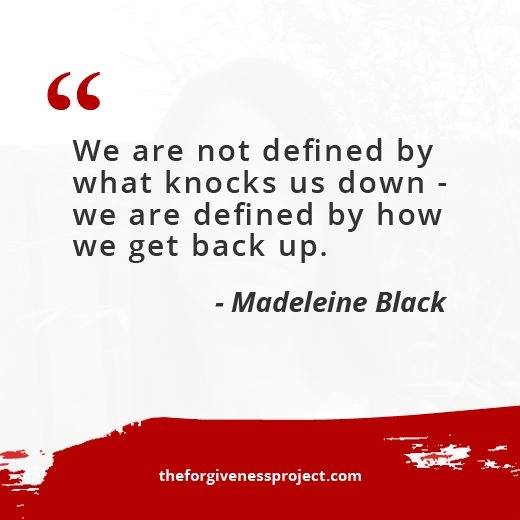
In her debut book Unbroken, Madeleine tells her deeply moving and empowering story, as she discovers that life is about how a person chooses to recover from adversity. We are not defined by what knocks us down – we are defined by how we get back up. She also hosts the Unbroken podcast where she has guests sharing their own stories of hope and courage.

Madeleine is also a TEDX Speaker sharing her journey to end the shame around sexual violence , works with the Global Resilience project and is the Patron for Say Women which helps rape and abuse survivors. She currently also works as a psychotherapist.

(image: Madeleine Black)

I will leave you with Madeleine’s words:

‘I am not my body or the things that were done to me. I am so much more than the sum of one night’

Thank you to Madeleine for giving me a copy of her book Unbroken to read and for all you do. You can get your copy here

What It Means To Have An NHS Perinatal Psychiatry Planning Meeting.

(image: Oprah Daily)

Yesterday was the first NHS meeting with the Perinatal (pre conception/birth) Psychiatrist. I didn’t know what to expect from it, though a few weeks ago I had the non NHS meeting with a very good consultant psychiatrist. They were both lovely women who are very good at their jobs- I had had to initially try for a private referral due to NHS waiting lists, but then managed to get an NHS appointment.

I was a bit nervous to see how the NHS would handle it, as they will be who I have care with going forward, so I was pleasantly surprised to be treated with respect and insight and kindness. I know that sounds weird, but those of you who know what my hospital admission in 2014 was like, will know that it wasn’t all plain sailing. Due to lack of insight, decisions happened about me and not always with me and so to feel empowered for me and my husband is very important.

Essentially these meetings now I have been well for a long time, are to plan ahead and discuss psychiatric history, what medications are needed, how it can be managed and what this would mean for a foetus and baby too. Birth carries a strong risk of relapse with the bipolar disorder, including the risk of psychosis and depression and so medication particularly for me needs to be planned carefully. I will need to be monitored once pregnant.

I am on 3 different types of psychiatric medication and also a contraceptive pill. Before we start trying to have children, I will need to have a time of withdrawal from the pill, which could send my hormones all over the place (i used to have PMDD symptoms where I felt very depressed and suicidal on periods so this is a slight concern). Then I may need to taper down one of my medicines (possibly sertraline) with the assistance of the mental health team, to reduce the effect on a baby. As baby will have a time of withdrawal from medications after birth while in hospital- which scares me too that they will be affected temporarily so want to make sure any baby is safe, as do the team I will work with.

The Dr also mentioned I would need to be in hospital for 5 days after birth so my Lithium level can be monitored (too high it can be toxic to humans) and I will need regular blood tests also- which are a source of anxiety, I hate hospitals due to past trauma. There was also a mention of needing to stop Lithium pre Labour and my Lithium levels as a result being quite high from birth too. So this information is good, knowledge is power but its also a bit terrifying to factor this all in.

I am scared but its also…. exciting in a weird way. Despite not yet trying to fall pregnant for a number of reasons so far- (which include possible bipolar relapse and changing meds/ time frames and starting a new job role), I have wanted to be a mother my whole life and I have more challenges than most due to the psychiatric and hormonal changes and how the baby would be. I question whether I am doing the right thing too by trying for a natural pregnancy in future and thats really hard. But egg harvesting and surrogacy is not easy either.. and its like going between a rock and a hard place at times with the best thing to do.

The doctors also mentioned I should visit a mother and baby hospital unit during my pregnancy to see what its like and what support is given- as my worries about it being like a severe psychiatric ward are high. Apparently, its a much calmer, supportive and therapeutic environment. I don’t want to be in hospital but these are the types of things one has to factor in with the bipolar being biological with mood changes.

Rob is endlessly supportive – we are embarking on a somewhat unknown journey – but are now armed with way more information from both psychiatrists and are very thankful to live in the UK.

So, this will be the last update from me on this for a while but knowledge truly is power and I know that with the help of our healthcare system- mental health teams and perinatal psychiatry/ obstetrics, my family, medication, self care etc I should be safeguarded and cared for well.

When the time is right, we pray our miracle will manifest.

Thanks for reading,

Eleanor x

PS shout out to my parents, Rob and family for their constant support.

Mental Health, Low Self Esteem, Body Image and Fashion.

(image: Freestocks at unsplash)

Fashion is a powerful force. It has the ability to make people feel confident, empowered, or at its worst horrible about themselves. It can have a positive impact on mental health and self-esteem if you find something pieces that make you feel good about yourselves. On the other hand, fashion can also have a negative impact on self-esteem and mental health if you’re constantly exposed to images and messages that make you feel inferior or unhappy with who you are. Especially with the inward turn of the pandemic, its hard for people to feel happy and confident about themselves.

The Psychology of Fashion

Fashion is a multi-billion-dollar industry and a big part of many people’s daily lives. It’s a subculture that’s easy to invest in. And, like any other trend, fashion comes and goes, so you’re always in control of how much you invest in it. The psychology of fashion reveals the different aspects of how fashion impacts people’s self-esteem. From the way people perceive others based on the way they’re dressed, to how people present themselves to the world by choosing outfits, fashion has a strong psychological effect on everyone.

Body Image

Our bodies are such an important part of life, and it’s normal to have some insecurities about them. Still, as you grow older, many people struggle with body dysmorphia or an unhealthy obsession with one’s appearance. Constant exposure to images of other people’s bodies that are unrealistic and unattainable can be harmful to your self-esteem, especially in young people who are still forming their self-image. This can lead to eating disorders, body dysmorphia, low self esteem and depression and anxiety. Looking at images of gorgeous models wearing clothes you can’t afford or fit in can makes you feel left out or confused. It’s fun to keep up with trends, but try to avoid getting stuck in a rut of hype culture.

(image: Hannah Morgan at Unsplash)

So what should I do?

You can’t ignore fashion and societal trends- but it’s important to not let fashion (or what is popular to wear) become something that defines who you are. It’s a fun accessory, something you should do for enjoyment, creativity, and confidence. For people who have found themselves struggling with their mental health due to the psychological effects on body image, it’s important to seek help. Talk to your friends and family members, or seek professional help if you need it. There are many ways to find happiness in style- whether you’re into vintage clothing, a specific designer, or a particular style like athleisure. You can read blogs with good recommendations, and wear things that you love, like that pair of perfect trainers or Men’s Off-White Hoodies. There’s something for everyone, and it’s important to have fun with it!

Fashion and societal expectations of how one should look can have a big impact on mental health, so it’s important to be mindful of it. It is also hard to be bombarded with negative messages on body image via social media. The body positive movement has sprung up because of this narrative- showing curvier models and embracing your flaws as beautiful.

There are also many ways to wear your favourite clothes in a way that makes you feel good about yourself, without negatively impacting your mental health. Focus on what makes you feel like the best version of yourself!

This article was written by a freelance writer and contains do follow links.

Top 10 UK Mental Health Blog 2022 from Vuelio- Thank you!

(image: Vuelio)

I am absolutely delighted to announce that we have been listed for the 4th year running (!) in the Vuelio Top 10 UK Mental Health Blog list! This means so much to me as Vuelio rank influential blogs by data and this year we are in 6th place amongst some truly amazing blogs, including my friend Cara Lisette’s!

Thank you so much to Vuelio for the support as always. I hope I can continue to blog and produce content that tackles the stigma around mental health and bipolar disorder in particular. My aim is to share others stories and to help others feel less alone.

See the full list here: https://www.vuelio.com/uk/social-media-index/mental-health-blogs-uk-top-10/

Promoting Wellbeing, Positive Mental Health and Reducing Stress in the Elderly.

(image: Unsplash/Istock)

The UK has an ageing population, with statistics indicating that there are 5.4 million people aged 75 years. A further breakdown also shows that persons aged 85 years and above make up 1.6 million of the population. Indeed, the ageing years are characterised by failing physical and mental health. However, science and society continue to devise ways to make the period less stressful.

Here are some guidelines on how:

  1. The essence of mobility

As people age, one of the first things that deteriorate is mobility. The depletion of muscle tone, coupled with bone issues, may inhibit movement. Usually, it sets in gradually, and when nothing is done, mobility can decrease by as much as 70% to 80%. At that point, an ageing person may need walking aids to support their body weight. However, mobility issues can be thwarted if counter-measures are taken in time.

Geriatricians (primary care doctors for the aged) advise ageing persons to dedicate some minutes of their days to walk. According to these experts, 150 minutes in a week is adequate. When the elder individual has enough energy, an average of 20 minutes daily is perfect. However, another person with mobility issues can engage in a guided basic workout for at least 15 minutes a day. Among the elderly, the risk of falling is incredibly high. This may therefore require a specialised alarm for elderly persons. This is worn like a wristwatch and can be used to monitor the number of daily steps, call for help when needed, etc. So, as you encourage an older person to take mobility issues seriously, it helps to ensure that it’s done safely.

  1. Reinforced social networks

It is essential to belong to a strong and supportive social network during the later years. Retiring from active duty and work can trigger depression. Although statistics indicate that depression in older adults is less prevalent than in the younger generation, it is still a cause for concern. Research in UK care homes revealed that 40% of the ageing generation endure chronic depression. This is likely due to the separation from their immediate family and friends.

Fortunately, this can be resolved when these seniors are encouraged to participate in social engagements. It can be in the form of a support group, a reading club, or other recreational groups purposely for older adults. As simple as these social networks may seem, they play a vital role in their life. It generates a sense of belonging, which subsequently promotes healthy mental well-being.

  1. Attention to regular quality sleep

According to the British Geriatrics Society, insomnia is prevalent amongst elderly people. Whether housed in a care home or not, the difficulty in initiating and maintaining sleep is a hurdle many older adults cannot cross without help. Insomnia is both a physical and mental well-being issue. This explains why experts say it should always be tackled from both angles.

In other words, as doctors prescribe pills to aid sleep, it is advisable to focus on the root cause of insomnia. It is possible to boost sleep quality by speaking to medical professionals and also assessing if there is a mental health cause to the insomnia too.

Elderly adults need both physical and mental health care as they transition into this new phase of life. These are just some ideas to help.

This article was written by a freelance writer.

Learning to Accept and Embrace Having Schizoaffective Disorder This Mental Health Awareness Week by James Lindsay

(image: Mental Health Foundation)

I do often wonder how long I had schizoaffective disorder before my diagnosis, but I guess I will never know. Back in 2016, I had my first experience of displaying symptoms of Schizophrenia (such as delusions), when I suffered from my first psychotic episode.

Before that, I had not really heard of any of these medical terms. I used to wrongly associate schizophrenic people with characters from the film ‘One Flew Over the Cuckoo’s Nest’. I thought they were lost causes who needed constant care, I didn’t think they could be functioning members of society like everyone else, and I feel bad that I used to think that. But I had a lack of education and personal experience.

In late 2019, I suffered from a relapse and had another experience with psychosis (which can be defined as losing touch with reality with delusions and/or hallucinations).. In early 2020 I was finally diagnosed with Schizoaffective Disorder. For those who are unsure, this condition is where symptoms of both psychotic and mood disorders are present together during one episode. ‘Schizo‘ refers to psychotic symptoms and ‘affective’ refers to mood symptoms. It is often described as a cross between Bipolar Disorder and Schizophrenia, as it includes symptoms from both of those conditions.

For me, it is currently something I am able to keep at bay, mainly thanks to my medication but also through being self-aware and looking after my mental wellbeing. I take Quetiapine (200mg slow release) every single day and I am more than happy with that. I have my tablet in the evening, which then helps me fall asleep without much struggle.

Without my meds, I can tell you now that I would be in all sorts of trouble. Every now and then I might forget to take it until just before bed, which means I need much longer to fall asleep because it takes a couple of hours to kick in.

That is ok though, as long as it’s not every night. But I know for a fact that without the medication, I am much more likely to start having delusions (irrational thoughts) and have an episode. Both my 2016 and 2019 episodes happened because my sleep was terrible and at times non-existent. I used to take sleep for granted, which is easy for anyone to do, but if you don’t let the brain repair itself it can lead to all sorts of problems. Just remember that psychosis can happen to absolutely anyone, I would not wish it on my worst enemy.

I am learning new things about my Schizoaffective Disorder all the time. I have joined a few Facebook groups which are supportive communities full of people with (or supporting those with) the same condition, such as this one which has nearly 18k members. For example I discovered through this group that some people who take meds before dinner (e.g. 4/5pm), find themselves waking up around 3am when they’ve worn off. They realised taking them an hour or so after dinner can give them a better sleep.

I have read books by authors with mental illness and they really help normalise it and give me peace of mind. I recently read ‘The Stranger on the Bridge’ by Jonny Benjamin (who is also Schizoaffective) and this gave me so much comfort. When you read a story that has parallels to yours, it gives you so much more hope and confidence that you can overcome your own adversities. Podcasts are a great source of help too and there are plenty out there that cover all kinds of mental illnesses.

I am also fortunate that my job gives me more opportunities to enhance my understanding of the disorder. I am proud to work for Hertfordshire Mind Network (my local mental health charity) as Fundraising & Marketing Officer, who are really supportive and always ask if there is anything they can do to help with my condition. I would advise anyone with mental illness to make your employer aware, because that’s the first step to them being able to support you and make any adjustments you might need.

I think ever since I changed my attitude to being schizoaffective, I have been able to befriend it and realise it’s not my enemy, but part of who I am. I used to feel embarrassed and was maybe even in denial at first. When I had the shame, I was never in the right mindset to go out and learn what this illness actually is, what is it doing to me, what should I look out for, what are my triggers/warning signs, what help can I get from other people.

The reality is – millions of people are schizoaffective and they are some of the best people you can encounter. They are incredible for living through it every day and I am proud to be one of them.

I hope you found my post useful and big thank you to the wonderful Eleanor Segall for the opportunity to contribute to her fantastic blog! If you’d like to connect over mental health you can find me here –

(image: James Lindsay)

@JamesLindsay23– Twitter

Don’t Feel Like Cooking Tonight? Heres 4 Reasons why You Should For Your Health.

(image: Jason Briscoe: Unsplash)

Home cooking offers many benefits. It gives us control over what we’re consuming, we can try out new combinations and recipes, and it can even be a soothing activity.

It’s often one of the first things that falls by the wayside when our lives get hectic, however. Revenue in the ready meals market has increased since 2017 and is expected to continue rising until 2026. It’s clear that in our busy lives, we often resort to convenience foods.

Here, we’ll cover some of the hidden benefits of cooking at home for those times when you feel like ordering a takeaway or throwing another microwave meal in.

Portion and ingredient control

When you order a takeaway or eat a meal at a restaurant, you don’t have much control over the ingredients used or the size of the portion you get, unless you specify you’re allergic to an ingredient. Home cooking is a great way to eliminate unhealthy ingredients.

Portion sizes vary wildly between restaurants – some are much bigger than we’d make at home, while others are not enough to satisfy us. Everyone’s food intake requirements are different, and the healthiest attitude towards food is to eat a satisfying amount – even if it’s more or less than your friend. Generally, restaurants aren’t a good guide for portion sizes, whereas you’ll know your nutrition requirements when cooking at home.

Making healthier choices

A lot of us have been tempted by an impromptu fast food lunch order when we’re at work. And while there’s nothing wrong with indulging in your favourite takeaways occasionally, doing this too often can leave us feeling lethargic and unhealthy.

Preparing your meals for work in advance gives you the freedom to cook whatever you love the most while incorporating energy-boosting fresh ingredients. Meal prepping has exploded in popularity in the past few years, and for good reason. Whether you batch-prep your meals for work every week or you cook an extra portion of your evening meal for the next day, preparing food for work is great for our health.

You’ll need to make sure your trusty work bag can fit your lunch in – backpacks for women are hugely popular for work now, and they can also fit in plenty of other healthy essentials like a reusable water bottle, plus your work laptop!

(image: Max Komthongvjit: Unsplash)

Saving money

It won’t come as a surprise that regular home cooking will keep some more pennies in your purse, especially considering we’re experiencing an increase in the cost of living right now. Dining out at our favourite restaurants is unsurprisingly the most expensive way to eat, but even those visits to the shop for a seemingly cheap meal deal can add up.

Cooking from scratch allows us to cost up our meals and ensure we’re eating within our budget. If you’re finding that you’re priced out of some fresh ingredients, don’t worry – studies have shown that frozen fruit and vegetables are just as healthy. In some cases, frozen produce may even contain higher levels of some nutrients – and come with the added bonus of being easier to prepare!

Mental health benefits

Many of us will already know how relaxing cooking can be. The act of methodically preparing, seasoning, and stirring our food can be therapeutic. Taking the time to cook a meal from scratch tells us that we are worthy of spending time on, which can boost our self-esteem. The act of cooking sometimes requires precision, but it takes us away from the hustle and bustle of our busy lives and – usually – drags us away from our screens.

Having a regular routine is powerful for people who experience anxiety and feel like their life is out of control. Cooking at home regularly is an important part of a healthy everyday routine, which can help us feel in control of our lives. What’s more, it can be a creative activity, and that’s proven to lift our mood and reduce stress.

While we love dining out and ordering in the occasional fast-food feast, there’s no doubt that home cooking reigns supreme. Not only does it allow us to be aware of what we’re putting into our bodies, but it also allows us to take some time away for ourselves, away from our devices and the busyness of our everyday lives.

This article was written by a freelance writer and contains ad links

What To Do When You Feel Alone: by Eleanor

(image: QuoteFancy)


As I started opening this page to write this blog post, on youtube, the Jessie J live concert I was listening to flicked on to one of my favourites of hers, ‘Who You Are’.

The lyrics:

‘Don’t lose who you are

In the blur of the stars

Seeing is deceiving

Dreaming is believing

its Ok not to be OK

Sometimes its hard to follow your heart

Tears don’t mean you’re losing

Everybody’s bruising

Just stay true to who you are.’ (Jessie J)

I wanted to write a post on what to do when you feel alone. This sums it up- self care and staying true to yourself.

  1. Its ok to cry. Let the emotion out, feel the grief/fear/sadness/anger. Allow it to be present and wash over you. Crying can be healing.

2. Seek support from a loved one, someone you trust or a helpline like Samaritans. You are never truly alone even if you don’t have a supportive family or friends- though it is harder.

3. Write out your feelings on paper in a journal or talk about them with a therapist if you can access one.

4. Do a little activity to make you feel a bit happier– talk to a friend, sing, paint, write, do sport- whatever your thing is- do it.

5. Find a support group- Mind run good ones or a local charity to you.

6. Remember – these emotions, these feelings will pass like clouds eventually. This too shall pass. make sure you keep speaking, sharing and healing yourself.

7. If you are feeling very depressed or at crisis point, call a helpline or go to your GP.

8. Make sure you eat, drink and look after yourself. If this isnt possible- see point 7.

Sometimes we can all feel alone or lonely in the world. Its a part of being human. But taking small steps towards looking after ourselves and our mental health can be really helpful.

What helps you?

Eleanor x

What It’s Like To Go Through Severe Depression as a Bipolar Episode: Looking Back by Eleanor

(image of Eleanors book Bring me to Light: Eleanor Segall/ Trigger and Welbeck publishing)

TRIGGER WARNING- DISCUSSES SUICIDAL IDEATION, SELF HARM AND BIPOLAR DISORDER. PLEASE READ WITH CARE

This weekend, I went home to my mums to celebrate the Jewish festival of Pesach (Passover) and have some quiet, family time. It was wonderful and because our religious laws mean we don’t use the internet, our phone on our festivals, it meant I had time for digital detoxing and switching off. But with that silence, came space. To think and reflect.

Something you may not know about me is that as well as being a writer, throughout the years I have been a prolific diary (journal) writer. The act of putting pen to paper and type to keyboard has always been therapeutic for me in my darkest moments. I found a diary I had written in 2013, when I was living with depression, suicidal ideation and self harm thoughts and actions.

The journal was covered in butterflies- always my symbol of hope. I don’t want to trigger anyone so I will say this carefully- essentially, I was so unwell that for me, my symptoms were: sleeping until the afternoon with a slight break for a meal or tablets, not socialising, finding it hard to wash due to increased anxiety and lethargy, feeling like I didn’t want to wake up the next day and wanting to harm myself in various ways- but being so frightened by these thoughts (because i knew they weren’t really Eleanor) that i had to vocalise them to my family and psychiatrist to keep myself safe. Thats what I did and its why I am still here today, in recovery.

I lived with this depression for about 6 months- my psychiatrist was encouraging me to try Lithium to stablise the bipolar but I wasn’t ready and wanted to see if Quetaipine could halt that. As we know, I became hospitalised for mania soon after in 2014 which led me to recovery and writing my book Bring me to Light.

When you live with an illness like bipolar disorder, you can sometimes forget the nuances of all the details of how you were when you were unwell. For me, I always felt that I handled the depressive episodes ‘better’ than the mania- just because I was able to keep myself as safe as possible by telling my family and doctor and changing medication. My psychiatrist had to come out to see me at home with a nurse as I was so unwell and I wrote out how I felt for him to know.

So many people live with terrible episodes of depression so this blog is just looking back and giving you some knowledge of how it manifested for me. Essentially, depression is a slowing down of the mind towards inactivity, darkness, misery, anxiety, agitation and it is often triggered due to changes in hormones and brain chemistry (if you have a family history its more likely to happen). Depression is not just low mood. Its paralysing. Its not wanting to be in the world and being in so much emotional pain. You may think of ways to harm yourself and you may dream of not being in the world. Or you may be ‘high functioning’. I somehow managed to go to friends weddings during this time despite spending the other days in bed til 5pm- I have no idea how- anti depressants and support helped greatly. However, my depression was dark and invasive.


Now, I had forgotten a lot of these finer details. For me, I never truly wanted to die- I wanted the uncontrollable bipolar to go! The suicidal ideation was my bipolar brain chemistry but also an expression of not coping with life and the bipolar moods I had been given- I was 24 and I couldn’t enjoy life- i was wracked with anxiety too. My mental health was fragile and unstable and it is no way to live- but what saved me, was being hospitalised and finding medication and therapy that has helped me to live in remission (thank God) for 7 years now.

I can say now that my brain chemistry is balanced and even if i ever get sad or frustrated, I don’t have those awful thoughts and if they ever come up, I can deal with them. I have such a supportive partner and family- my family and psychiatrist saved me as well as me trying to save myself- I frightened myself with my thoughts and I had some semblance of being able to keep myself going, which is not possible for everyone. It helped that my Dad has bipolar and could really understand what was going on for me too- he understood exactly how I was feeling but he knew it was the illness and not Ellie. I feel so lucky for that because not everyone has this. My mum, step dad and sister and wider family also were so supportive and never blamed me for being unwell. That helped too. My faith also has helped me dearly,

(Me at 25 when I was going through depression. This photo was a selfie taken when I was dressed up to go to a friends wedding and my sister had done my make up. There were no photos with messy hair or red eyes and tears. I never looked this good when I was in bed til 5pm most days in my PJs).

If youve got this far thank you for reading. My mission is to help others with these conditions feel less alone, through sharing my own experiences. I have been careful not to reveal what certain thoughts were here so I don’t trigger anyone.

If you live with depression and a host of other issues, you can recover again. Hold on. You will not feel like this forever and you can find a level of happiness and stability again. Reach for help, someone you trust, a help line, a psychiatrist and don’t give up.