On 1st March 2016, I wrote my very first blog about my mental health struggles with bipolar disorder and anxiety. For me, it was an outlet to share with friends and family what I was experiencing after one of the worst bipolar episodes I had faced and after hospitalisation in 2014. I didn’t realise that this traumatic time in my life, would also cause my mental health to dip and struggle further as I developed PTSD symptoms (panic attacks) and sat on a 2 year waiting list for NHS therapy. Professional support was not coming easily during this time, and so this blog became not only a therapeutic outlet but a place to connect with others going through similar things. And to explain to those who had never experienced mental illness, exactly what it can do but just how you can support those experiencing it.
Part of me can’t fully believe that I have been blogging consistently for 10 years. There have been times where I have wanted to give up but this little blog has been my saviour and in truth, helped me to launch a writing career that I did not expect and am so grateful for. It has also helped others to share their mental health stories and products, been a platform for mental health campaigns and charities and I am super proud of the impact we have had. One of our biggest accolades is being a Top 10 UK mental health blog by Vuelio every year since 2018- which means we are having a positive impact and reach!
The blog has published over 800 posts, with hundreds of thousands of views! It is read on every continent with a particularly large readership in the USA (as well as UK and other countries). We have covered so many topics- bipolar disorder, PTSD, anxiety disorders, depression, pre and post natal depression, OCD, BPD, eating disorders, psychosis, mania, schizophrenia, schizoaffective disorder, trichotillomania, addictions (drug, alcohol, gambling), body dysmorphia and mental health topics like child mental health, work stress, emotional burnout, relationships, domestic and sexual abuse, homelessness. We have shared about wellness products and worked with inspiring health and lifestyle brands.
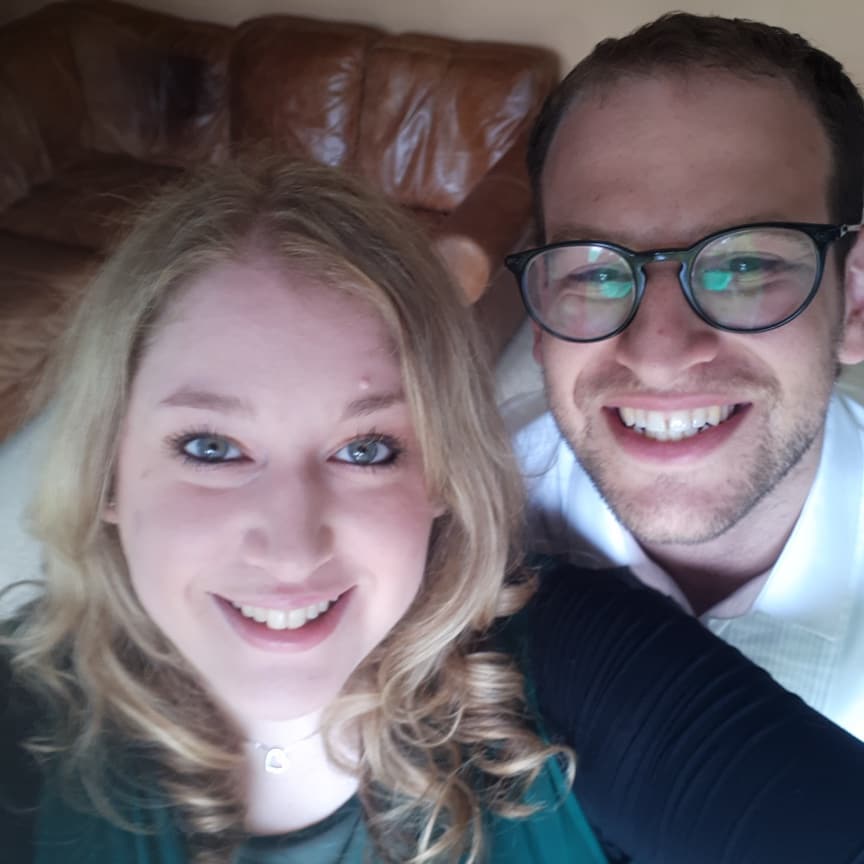
The blog inspired me to share my own story far and wide – writing for mental health charities Mind, Rethink, Time to Change, Bipolar UK, No Panic, SANE and Metro.co.uk, The Telegraph, Happiful, Glamour, Jewish News, Huff Post. Featured in Cosmopolitan, Elle, Yahoo News and other publications. Thank you particularly to the editors at the publications for sharing my story and believing in my mission! This also led to me writing my book ‘Bring me to Light’ which was published in 2019 by Trigger and remains one of my proudest achievements. I then released my children’s book ‘Arabella and the Worry Cloud’ and had some writing featured in ‘The Book of Hope’ by my friends Jonny Benjamin MBE and Britt Pfluger (an amazing experience!). In 2017-18, I was also involved with setting up the Jami mental health shabbat in my community and spoke in several synagogues and at a community festival Limmud with my Dad, about our journey with bipolar. The same year that I started this blog (2016), I also met my now husband, who supports me through all of my writing and mental health work.
As I look back over the past 10 years, to where we were in 2016 with mental health stigma, I am proud to have played a small part in changing the landscape and narrative online around mental illness, particularly bipolar disorder and psychosis. We have many followers on social media platforms and continue to share about mental health and well being and be a resource for all those who need it, so they never feel alone.
(image: Ineffable Living)
Thank you to every single contributor (and every reader) to Be Ur Own Light Blog 2016-2026. Your words and belief in our mission to end the stigma around mental illness have meant the world to me. I hope going forward I can continue to share more real stories, more important information on care and treatment and campaign for better care.
There is still a way to go. NHS waiting lists are too long and care is under funded, leading to not enough beds. Mental health stigma online (and sometimes offline) sadly still remains high. As a society, although we have improved, we still need to fully understand mental health conditions and separate them from the person themselves. I am optimistic that things can and will change.
To everyone reading this going through a period of mental ill health or living with a chronic mental illness, I see you and you are never alone. As a blog community, we can come together to empower each other, so no one ever feels invisible and I hope that I can continue to write too.
Thank you, from my heart, for the past 10 years! Here’s to many more years,
When people begin looking for psychological support, Cognitive Behavioural Therapy, or CBT for short, is one of the most well-known and accessible forms of psychotherapy. Recently, more and more therapists are offering Eye Movement Desensitisation and Reprocessing (EMDR), particularly for trauma.Both are well established, evidence-based treatments that can help people move forward from distressing experiences — but they do so in quite different ways.
If you’ve been wondering what sets them apart, or which might be the best fit for you, this post aims to break down the differences in a clear and down-to-earth way.
Understanding CBT
Cognitive Behavioural Therapy (CBT) is arguably the most widely accessed and researched psychological approaches, particularly in the UK. It’s based on the understanding that our thoughts, emotions, physical sensations, and behaviours are all connected. When one of these areas becomes unhelpful — for example, when our thoughts become overly negative or worrisome — it creates a negative cycle that keeps us stuck and in turn maintains that distress.
CBT helps a person to notice these patterns and challenge them with practical, realistic alternatives. The aim is not to “think positively” but to think more accurately. For instance, if you often find yourself thinking “I always mess things up,” CBT would explore the evidence for and against that thought, helping you see the situation in a more balanced light.
Sessions are focused on the present and typically structured towards achieving mutually agreed goals. There is less emphasis on the past and childhood, although this can be useful to consider in relation to the development of a person’s belief system or how they see the world today. This, in turn, influences a person’s responses to distress. CBT continues outside of sessions as clients engage in task such as trying alternative response to distress, or journalling at challenging times.
CBT for trauma focuses on making changes to the way a person thinks about a traumatic event, and themselves within that event. Re-living is a key element of CBT for trauma and enables the person to safely revisits the traumatic memory in a structured, supportive way with their therapist. This allows the brain to process the event as a memory, rather than something that is still happening now, which in turn reduces distress around the event and any associated flashbacks or nightmares. The overall aim is to reduce distress, restore a sense of safety and control, and help the person make sense of what happened so the trauma feels like something from the past — not something still happening in the present.
CBT is highly effective for anxiety, low mood/depression, panic attacks, phobias, obsessive-compulsive disorder (OCD), PTSD/trauma, poor sleep/insomnia and many other mental health difficulties.
Understanding EMDR
Eye Movement Desensitisation and Reprocessing (EMDR) might sound unusual at first — after all, what do eye movements have to do with mental health? Yet EMDR is a powerful, evidence-based therapy originally developed to help people recover from trauma.
The theory behind EMDR is that when something distressing happens, our brains sometimes struggle to process it properly. The memory can get “stuck,” remaining vivid and the person continues to experience the fear as if the event is happening again. EMDR helps the brain work through these memories so they can be stored more adaptively — as something that happened in the past, rather than something that continues to feel threatening now.
During EMDR sessions, the therapist will guide you through sets of bilateral stimulation — this could involve following their fingers with your eyes, hearing alternating tones through headphones, or feeling gentle taps on your hands. This process is thought to mimic the way the brain naturally processes memories during REM sleep.
One benefit of EMDR is that it’s not necessary to go into detail about the event if you don’t want to. The focus is on how it feels in your body and what comes up in the moment. Over time, people often report that distressing memories lose their emotional intensity, and the beliefs tied to those experiences begin to shift to something most positive and empowering, rather than fearful or critical.
Can CBT and EMDR Be Combined?
Absolutely. Many therapists are trained in both and will tailor the approach depending on your needs. For example, someone with trauma may start with CBT techniques to manage anxiety and develop coping skills, then move into EMDR once they feel more grounded and ready to process deeper memories. In some cases, EMDR can help resolve traumatic roots of long-standing patterns, while CBT provides the tools and strategies to maintain progress in day-to-day life.
It isn’t about one being “better” than the other — it’s about finding what works for you, at the right time and pace.
Which One Should You Choose?
If you’re feeling stuck in unhelpful thoughts or patterns — for example, overthinking, avoidance, or self-criticism — CBT can be a great place to start. It’s structured, practical, and gives you tools you can continue using long after therapy ends. If you’ve experienced trauma, flashbacks, or distressing memories that feel “frozen in time,” EMDR might be more suitable. It’s gentle yet powerful, and often helps people move on from experiences they’ve been carrying for years.
Ultimately, the best way to decide is to talk with a qualified therapist who can help assess your situation and guide you towards the most appropriate treatment.
Final Thoughts
Both CBT and EMDR offer genuine hope for change. Whether you’re learning to manage anxiety, heal from trauma, or simply understand yourself better, the right therapeutic relationship can make all the difference.
At its heart, therapy isn’t just about techniques — it’s about feeling safe, understood, and supported while you make sense of your experiences. Whether through CBT, EMDR, or a combination of both, the goal is the same: helping you feel more in control of your thoughts, emotions, and your life again.
This blog was written by UK therapist Andrew Kemp at www.clearmindcbt.comand contains sponsored links.
Eating disorders are serious mental illnesses that affect millions of people worldwide. These disorders can have a devastating impact on a person’s physical health, mental well-being, and quality of life. If you think a friend may be struggling with an eating disorder, it is important to seek help as soon as possible. There are many different types of treatments available for eating disorders, and the right approach will depend on the individual’s unique needs and circumstances. This blog post will discuss some of the most effective eating disorder treatments to consider if you think a friend may be struggling.
Inpatient Treatment
Inpatient treatment is a highly specialised form of care that involves staying in a hospital or residential facility. This type of treatment is typically recommended for individuals who are experiencing severe eating disorders and need intensive support and supervision.This inpatient eating disorder treatment may include medical monitoring, individual and group therapy, and nutritional counselling. This approach can be highly effective in helping individuals regain weight, learn new coping skills, and develop healthier eating habits.
Outpatient Treatment
Outpatient treatment is another option for individuals who are struggling with an eating disorder. This type of care involves visiting a mental health clinic or hospital on a regular basis for counselling and other therapies. Outpatient treatment may be appropriate for individuals who are in the early stages of recovery, or who have a less severe eating disorder. It can also be a good option for those who need to balance treatment with work or other responsibilities.
Cognitive Behavioural Therapy
(CBT) Cognitive behavioural therapy (CBT) is a widely used form of psychotherapy that has been shown to be effective in treating eating disorders. This approach focuses on identifying and changing negative thought patterns that contribute to disordered eating behaviours. CBT can be used in both inpatient and outpatient settings, and may be combined with other types of therapies to create a comprehensive treatment plan.
Family-Based Treatment
(FBT) Family-based treatment (FBT) is a specialised approach to treating eating disorders in children and adolescents. This approach involves the entire family in the treatment process and is designed to help parents and caregivers support their child’s recovery. FBT has been shown to be highly effective in treating anorexia nervosa, and may also be used to treat other types of eating disorders.
Nutritional Counselling
Nutritional counselling can be an important component of eating disorder treatment. This type of therapy involves working with a registered dietitian to develop a healthy eating plan that meets the individual’s specific needs and goals. Nutritional counselling may be used in conjunction with other types of therapies, such as CBT, to create a comprehensive treatment plan.
Eating disorders are complex and challenging to treat, but with the right help, recovery is possible. If you think a friend may be struggling with an eating disorder, it is important to seek professional help as soon as possible. Inpatient and outpatient treatment, cognitive behavioural therapy, family-based treatment, and nutritional counselling are all effective options to consider.
Remember, recovery is a journey, and it may take time and patience to achieve lasting results. With the right support and treatment, your friend can learn to overcome their eating disorder and live a happy, healthy life.
Binge eating disorder (BED) is a severe eating disorder characterised by recurrent episodes of consuming large amounts of food in a short period. This disorder is associated with acute physical and psychological complications that can affect an individual’s quality of life. Recovering from binge eating disorder can be a challenging process, but with the right guidance and support, it can be achieved. This blog post will discuss five tips for successfully recovering from binge eating disorder.
Seek Professional Help
Recovering from binge eating disorder requires professional guidance and support. The first step towards recovery is to seek professional help. Consulting with a healthcare provider (such as the NHS or privately) or a registered dietician can help an individual develop a personalised treatment plan that addresses their unique needs. The medical professionals (psychiatrist, GP) can also screen individuals for underlying health problems that may contribute to binge eating disorder, such as depression, anxiety, or other mental health disorders.
Establish a Support System
Establishing a support system is essential for individuals recovering from binge eating disorder. This support system may consist of family, friends, or support groups. Support groups can help individuals connect with other people experiencing similar conditions and receive emotional support and encouragement. It can also provide information about recovery resources and strategies that have worked for others.
Identify Food Triggers
Identifying food triggers that lead to binge eating can help an individual manage such situations. Food triggers may include certain foods, emotions, or social situations. Identifying these triggers can help an individual prepare and develop strategies to cope with them when they arise. Strategies may include therapeutic skills including distraction techniques, mindfulness, or relaxation techniques.
Embrace Online Binge Eating Recovery Services
Online binge eating recovery resources like Lightwork Nutrition can provide valuable support and information for individuals experiencing BED. Online support groups, forums, and recovery programs offer anonymous access to peer support, real-time chat, and educational resources. Using these online resources can help individuals connect with others facing similar challenges from anywhere at any time.
Cultivate Self-Care Habits
Cultivating self-care habits may improve an individual’s physical and mental well-being, ultimately aiding in their recovery. Self-care habits may include healthy eating habits, gentle exercise, and stress management techniques like mindfulness, yoga, or meditation. These habits enable people to manage stress, boost self-esteem and confidence, and improve overall health and well-being.
BED can have significant impacts on an individual’s quality of life. Recovering from binge eating disorder can be a challenging, yet achievable process for individuals. Seeking professional help, establishing a support system, identifying food triggers, embracing online binge eating recovery services, and cultivating self-care habits can enable individuals to overcome binge eating disorder effectively.
Remember, recovery is a process, and with hard work, patience, and dedication, individuals can experience good mental health and well-being.
This article was written by freelance writer Lizzie Weakley.
Recovery is often daunting for many who have struggled with an eating disorder. There can be so much uncertainty about how to find the right path forward, and it’s easy to feel overwhelmed and defeated before you even begin. However, treatments and resources are available that can help make things more manageable — both physically and emotionally. In this blog post, we’ll explore some of the key aspects of recovery through eating disorder treatment therapy, such as various therapy options, self-care strategies, diet modifications, medical support, and more. Whatever stage you’re at in your journey toward healing from an eating disorder — whether just starting or progressing down a patchwork of paths leading toward hope — these concepts might provide useful insight into the road ahead and steady guidance.
Understanding Eating Disorders
Eating disorders are complex and multifaceted conditions that can affect anyone, regardless of age, gender, or background. Understanding them can be difficult, but it’s essential for promoting recovery and preventing relapse. Eating disorders are often characterized by an unhealthy preoccupation with food, weight, and body shape and can lead to a broad range of physical and mental health issues. However, people with eating disorders can recover with the right treatment and support. Educating ourselves and those around us can help combat the stigma surrounding these conditions and encourage greater understanding and compassion.
a. Definition of Eating Disorders
Eating disorders are a complex group of mental illnesses characterised by eating habits that often cause serious physical and emotional damage. The most common types of eating disorders include anorexia nervosa, bulimia nervosa, and binge-eating disorder. Anorexia nervosa involves restricting food intake and often leads to extreme weight loss, while bulimia nervosa involves eating large amounts of food followed by purging through vomiting or excessive exercise. Binge-eating disorder involves eating large quantities of food in a short amount of time, often leading to feelings of guilt and shame. While eating disorders can be life-threatening, there is hope for recovery through specialised treatment and support. If you or someone you know is struggling with an eating disorder, it’s important to seek professional help to begin healing.
b. Examples of Eating Disorders
Eating disorders are complex and serious mental illnesses affecting people of all ages, genders, and backgrounds. Some examples of eating disorders include anorexia nervosa, bulimia nervosa, binge eating disorder, and avoidant/restrictive food intake disorder. A limited range of foods and avoiding or restricting certain food groups characterizes avoidant/restrictive food intake disorder. It’s important to seek professional help if you or someone you know is struggling with an eating disorder, as they can have serious physical and psychological consequences. However, with the right treatment and support, recovery is possible.
The Impact of Eating Disorders
Eating disorders are more than just a physical condition. They take a toll on a person’s mental health, relationships, and overall quality of life. Whether it’s anorexia nervosa, bulimia, or binge eating disorder, these conditions can leave long-lasting effects on those who suffer from them and their loved ones. But it’s important to remember that recovery is possible. With the right support and treatment, individuals with eating disorders can regain control of their lives and improve their well-being. Let’s continue to raise awareness and support those who may be struggling with these disorders.
a. Physical Health Complications
Taking care of our physical health is crucial to living a happy and fulfilling life. Physical health complications can arise from various factors, such as genetics, lifestyle choices, and environmental factors. It’s important to be proactive in maintaining good health. By being attentive to our bodies and taking preventive measures, we can reduce the likelihood of physical health complications and improve our overall well-being. Don’t take your physical health for granted – prioritise it in your daily routine.
b. Emotional and Mental Health Effects
Taking care of our emotional and mental health is as important as physical health. After all, a healthy mind is essential for a happy and fulfilling life. When we experience emotional and mental health effects, it can have a significant impact on our overall well-being. For example, stress, anxiety, and depression can prevent us from enjoying the things we love or even getting out of bed in the morning. That’s why it’s crucial to recognise when we’re experiencing emotional and mental health effects and seek support if needed. With the right tools and resources, we can manage our emotions and prioritise our mental health to live our best lives.
Treatment for Eating Disorder Recovery
If you or someone you know is struggling with an eating disorder, it’s important to seek professional help for recovery. Treatment for eating disorder recovery typically involves a combination of therapy, nutritional counselling, and sometimes medication. The goal of treatment is to address the disorder’s physical, emotional, and psychological aspects. Therapy sessions may focus on identifying triggers, developing coping mechanisms, and exploring underlying issues contributing to the disorder. Nutritional counselling can help individuals establish a healthy and balanced relationship with food. Medication may be prescribed to address co-occurring conditions such as depression or anxiety. Remember, recovery is possible, and seeking help is often the first step toward a happier and healthier future.
a. Types of Treatment Available
When seeking treatment for any ailment, knowing what options are available to you is important. Treatment can come in various forms, such as medication, therapy, surgery, or a combination. Medication is often used to manage symptoms of illnesses, while therapy allows individuals to work through their mental or emotional struggles with the guidance of a trained professional. Surgery may be necessary to correct physical ailments or injuries. Whichever treatment type you may require, it is essential to seek the advice of a healthcare professional to determine the best course of action for your individual needs. So, don’t hesitate to explore and ask questions about your options and make informed decisions about your own wellbeing.
b. Finding the Right Treatments for You
When finding the right treatments for your health concerns, it’s important to remember that everyone’s journey to wellness is unique. Whether you’re dealing with physical or mental health concerns, it’s important to work closely with healthcare professionals to determine the right course of treatment for you. This may involve trying different medications or therapies until you find what works best. Taking a proactive role in your health is also important, educating yourself on potential treatments and advocating for your needs. Remember, finding the right treatments may take some time and patience, but you can achieve optimal health and wellness with the right tools and support. If you are in crisis, you may require further support in hospital and from specialist care.
Building a Support System
Building a support system is essential for anyone who wants to thrive. It’s important to have people who support you, understand you, and encourage you to pursue your dreams. Whether it’s family, friends, or colleagues, having a support system can make all the difference in challenging times. Don’t be afraid to reach out and ask for help when you’re feeling overwhelmed or need advice. Building a support system is an ongoing process, so don’t hesitate to reach out to new people and strengthen your connections over time.
a. Reaching Out to Loved Ones
When life gets chaotic, it’s important to remember to reach out to your loved ones for support. Whether facing a personal challenge or needing some company, the warmth and understanding of family and friends can make all the difference. It’s easy to get caught up in the hustle and bustle of daily life and forget to make time for those who matter most, but a simple phone call or visit can go a long way in strengthening your relationships. So if you’ve been feeling a little disconnected lately, take a moment to reach out to your loved ones today. You’ll be glad you did.
b. Finding Professional Support
When finding professional support, knowing you’re not alone is important. Seeking help from experts in a particular field can be the key to unlocking a wealth of knowledge and resources that can prove helpful in resolving any issue you may be facing. Whether you’re looking for financial advice, career guidance, or mental health support, professionals are ready and willing to lend a helping hand. Don’t be afraid to reach out and ask for assistance. This step can be the first step towards overcoming any obstacles. Remember, there is no shame in seeking help and doing so can be a sign of strength and determination.
Overcoming Challenges in Recovery
Entering recovery can be a daunting experience, but it’s important to remember that it’s a journey full of challenges and rewards. Overcoming these challenges is no small feat, but it’s possible with the right mindset and support. Each person’s recovery journey has unique obstacles, but some general strategies can help.
Overcoming these challenges is no small feat, but it’s possible with the right mindset and support. Each person’s recovery journey has unique obstacles. Practicing self-care, building a supportive network, and seeking professional help are all powerful tools in overcoming challenges in recovery. Remember, progress is not always linear, and setbacks are a natural part of the process. But with perseverance and a positive attitude, anyone can overcome the challenges of recovery and emerge stronger and healthier on the other side.
a. Coping Mechanisms for Stressful Situations
Stressful situations can be overwhelming, but we all have coping mechanisms that help us make it through. These strategies include taking deep breaths, walking, or talking to someone we trust. It’s important to remember that what works for one person might not work for another, so it’s helpful to experiment and find the best techniques for you. And, of course, practicing self-care and making time for activities that bring us joy can also help reduce overall stress levels. With a little effort and a willingness to try new things, we can develop effective coping mechanisms and find ways to better manage stress when it arises.
b. Working Through Setbacks
Life is full of ups and downs, and setbacks are an inevitable part of the journey. It can often feel like the setbacks are bigger than the progress, but it’s important to keep pushing forward. Instead of getting discouraged, view setbacks as an opportunity to learn and grow. Analyze what went wrong and make the necessary adjustments to your plan. It’s also important to give yourself some grace. Be kind to yourself, and remember that setbacks don’t define you. Everyone experiences setbacks, and how we handle them sets us apart. With perseverance, a positive attitude, and a willingness to learn, you can work through any setback that comes your way.
Celebrating Progress in Recovery
Recovery can be a long and difficult journey with setbacks and challenges. That’s why it’s important to take a moment to celebrate the progress that’s been made along the way. Whether it’s a small victory like going a day without giving in to temptation or a breakthrough like finally finding the right treatment plan, each step forward is worth recognition and appreciation. Celebrating progress can help motivate continued efforts and create a sense of accomplishment that boosts self-confidence and determination. So, let’s take a moment to celebrate the progress made in recovery, no matter how big or small, and remember that each step forward is closer to the ultimate goal of lasting health and wellness.
a. Focusing on Small Wins
Focusing on small wins can be a game-changer in our personal and professional lives. We can take action and celebrate our progress by breaking down big goals or tasks into smaller, more manageable steps. Small wins can boost our confidence, increase motivation, and ultimately lead to bigger successes. Whether completing a simple task at work or achieving a personal milestone, taking the time to acknowledge and appreciate these small victories can have a powerful impact on our overall well-being. So, the next time you face a daunting task, remember to focus on the small wins and enjoy the journey toward achieving your goals.
b. Taking Time to Reflect on Accomplishments
In our fast-paced world, it’s easy to get caught up in what’s next on the to-do list without taking a moment to appreciate what we’ve already accomplished. That’s why taking time to reflect on our achievements is so important. Not only does it help us remember all the hard work we put in and the obstacles we overcame, but it also allows us to gain a sense of satisfaction and pride in our efforts. Taking a breather and recognizing all we’ve done can give us the motivation and confidence to keep pushing forward and tackling whatever comes next. So, let’s take a moment to pause, reflect, and celebrate all of our accomplishments, big or small.
Eating disorders are highly treatable, and recovery is possible. It will require effort to make progress. Building a support system for yourself is one of the most important components of recovery. When you feel overwhelmed, contact friends and family or an eating disorder professional for guidance. You can also use calming techniques such as relaxation exercises and journaling to help you cope with difficult moments. With help, you can create a healthier lifestyle that allows you to recover from disordered eating behaviours. Together we can end the stigma surrounding eating disorders and support each other on our journeys toward full recovery.
This article was written by Ani. O, freelance writer.
Coping mechanisms are strategies that people use or develop in order to deal with, or avoid dealing with, difficult and stressful emotions or situations. Whilst some people may use exercise, a healthy diet or meditation as a way to process difficult feelings, it can be very easy to fall into unhealthy habits instead, especially if we have pre-existing mental health conditions.
For example, those who have suffered with eating disorders may automatically fall back into restrictive eating habits or fall into a pattern of binge eating when life gets difficult. Whilst we can easily beat ourselves up for not ‘handling things’ in a healthy and productive manner, it’s important to remember that coping mechanisms serve an instinctive purpose. In times of stress, we seek comfort and safety. On a biochemical level, unhealthy coping mechanisms are serving that purpose.
That doesn’t mean we should allow them to continue, however. Part of overcoming mental illness is learning how to cope in healthy ways that serve a higher purpose for you long term. Here, we will take a closer look at how mental illness can affect our coping mechanisms, and how you can learn to shift your unhealthy coping habits into more helpful ones.
Why mental illness makes us vulnerable
Mental illnesses come in a wide variety, and each person will experience them slightly differently to the next. But essentially, mental illness means that our brains aren’t working exactly how they should. This can warp our perception, and make us feel more anxious, stressed, insecure and prone to depression than we would be otherwise.
When we are stressed, we seek instant comfort. Our brains instinctively drive us to seek the quickest fix and push us to run away from our cause of stress. This is why when you are really, really hungry, all you want to do is eat sugary foods such as chocolate – your body knows that’s the quickest fix for its hunger, even though you know consciously that it’s not the healthiest option.
For people with mental illness, this stress response can trigger a repetition of a familiar pattern of negative behaviour that instantly soothes or avoids the initial problem, but also creates bigger issues long term.
Recognise your behaviour
It’s important to recognise when we are relying on unhelpful coping mechanisms to avoid facing stress, as they can lead to more serious mental and physical problems. If you are fixating on something that is not going to help you long term, such as obsessive cleaning, isolating yourself from family and friends, or abusing alcohol, you need to consciously recognise the signs that your habits are not serving you.
You may find it helpful to write down the root causes of your negative habits, and commit to facing the problems head on instead of allowing them to cause you further problems. Talking to someone you trust can be a massive help and relief, and can help you springboard yourself into a better place mentally.
Make small changes
Often when our mental health is low, we can feel overwhelmed by the thought of fixing everything. Remember, your perception is magnified when you are struggling mentally, so everything will seem worse and harder than it truly is. Being kind to yourself and committing to changing just one small habit at a time can be really helpful in focusing on what you can achieve – one step at a time.
Speaking to a health professional can be an intimidating thought, but sometimes it is necessary in order for us to make profound changes to our health and wellbeing. There is no shame in asking for help, and you are not alone. By recognising when our coping mechanisms are beginning to be less than healthy, we can make the choice to improve them.
Eating disorders are complex mental health conditions that require a multi-dimensional approach to treatment. They can affect people of all ages, genders, races, and backgrounds, causing severe emotional and physical distress if left untreated. The good news is that there are many safe and effective treatment options available to those struggling with eating disorders. This article will explore some of the most effective ways to safely treat an eating disorder, including therapy, medication, nutrition counselling, and support groups.
Eating Disorder Treatment Therapy
One of the most important aspects of care is eating disorder treatment therapy. There are different types of therapy available to those struggling with an eating disorder, such as cognitive-behavioural therapy (CBT), dialectical behaviour therapy (DBT), and family-based therapy (FBT). These therapies can help individuals identify and change distorted thoughts and behaviours around food, body image, and weight. CBT is particularly effective in treating individuals with anorexia nervosa and bulimia nervosa, while DBT can help those struggling with binge eating disorder and emotional dysregulation. FBT is a family-based approach to treating eating disorders in adolescents and children, which focuses on empowering the family to help the individual recover.
Medication
Medication may also be prescribed to individuals with eating disorders, particularly those with comorbid conditions such as anxiety or depression that are affecting their recovery. Antidepressants can help reduce symptoms of depression or anxiety, while antipsychotics may be prescribed for those with severe symptoms of body dysmorphia, or the distorted belief that their body is flawed. However, medication should be used alongside therapy and other forms of treatment, and under the close supervision of a medical professional.
Nutrition Counselling
Nutrition counseling can be an important part of eating disorder treatment, particularly for those with severe malnutrition or gastrointestinal problems. A registered dietitian can help individuals create a balanced and customized meal plan, learn about appropriate portions, and manage food fears and weight concerns. Nutrition counseling may also include education around mindful eating, intuitive eating, and healthy coping mechanisms. However, it is important to note that nutrition counseling alone is not sufficient for treating eating disorders.
Support Groups
Support groups can be a valuable resource for individuals struggling with eating disorders, as they provide a safe and non-judgmental environment for sharing experiences and gaining support. They can be particularly beneficial for those who cannot afford or access individual therapy, or who prefer a group format. Local and online support groups are available, and many are free or low-cost. Support groups can also provide a sense of community and belonging, which can be helpful in reducing feelings of isolation and loneliness.
Eating disorders can be devastating, but there is hope for recovery. Treatment may involve a combination of therapy, medication, nutrition counselling, and support groups, depending on the individual’s unique needs and circumstances. Recovery is a journey, and it may take time and patience, but with the right support and resources, it is possible. If you or someone you know is struggling with an eating disorder, reach out to a healthcare professional for help. Remember, you are not alone.
Lizzie Weakley is a freelance writer from the USA.
Today is World Bipolar Day and for those of us living with bipolar disorder we know that living with it every day, year round is more accurate. However today is our day to talk about life with mental illness and to try and eradicate the stigma around the illness… ‘crazy lady’ ‘nuts’ ‘drama queen’.
World Bipolar Day is designed to raise awareness worldwide of bipolar conditions and to work to eliminate social stigma whilst providing information to educate and help people understand the condition.
Even though I live in remission/recovery with the illness, I am medicated daily to be this way, and I have undergone years of therapy and learnt coping methods too, with support from family.
Well, before I found medication that stabilises my bipolar highs and lows, life looked very different.
There were times I couldn’t work. I was so depressed I lay in bed in all day, only getting up to eat. I was scared to have a shower and wash my hair.
Life looked bleak. All I wanted was my duvet and oblivion. I had intrusive thoughts about ending my life, I was in a lot of emotional pain and this would last for weeks, sometimes months on end.
Bipolar isn’t just a bit high or a bit low…. its depression and mania, suicidal ideation and psychosis, self harm thoughts, hypersexuality, hyper activity, believing delusions that aren’t real…..SO much. Its episodic but it can ruin your life. Some turn to drugs, alcohol, sex to cope. Some hear voices too.
I have been in hospital twice for fairly long stays. I have been sectioned under the mental health act and held in a hospital unit against my will. I have been injected with sedatives to calm my mind and body when I couldn’t consent. I have met people in hospital who were suicidal, anxious, depressed, high on drugs, in psychosis. I lived on a ward where I heard people being restrained.
So, not much fun really. Luckily this month I am celebrating 9 years of remission out of hospital! I also came out of hospital as a nervous wreck and thankfully, therapy has helped.
(Image: speakingbipolar.com)
This blog is inspired by one of my followers who asked me what was my ‘Aha’ moment in recovery.
As well as finding the medicine Lithium, a salt that controls the mood fluctuations, the biggest thing I did for my own healing was go through therapy for my panic attacks and PTSD like symptoms. This was done with the support of my husband and family and because I has been on an NHS waiting list for 2 years, I needed help. My therapist and I have done EMDR trauma therapy which has helped me to process things.
In fact, I still do get anxiety attacks – just less. I have been in a very good place generally in the past year. Finding support at home, at work and from friends and family has been the most stabilising part.
I have had bipolar since I was 15, I am 34 and can tell you that this has not always been the case and my mental health has and will fluctuate.
I learnt recently that bipolar brains are neurodiverse, meaning our brain chemicals act differently to a neurotypical brain. Always good to understand the biology behind it too as this illness can be inherited and run in families- my Dad and I and other relatives have it.
On World Bipolar Day I hope:
-Employers adhere to the disability act and make reasonable adjustments to help those of us with bipolar to work in a better way for them, including hybrid working.
-People with mental illness aren’t fired because they can’t get to a physical workplace.
-Mental health services need better funding, so that people with bipolar can get a correct diagnosis sooner and get the help they need.
-People not in the Western world will get access to mental health medication and therapies that they desperately need.
On the 1st March 2016, I started this blog as a way to provide therapy for myself- as I was going through panic attacks, (caused by trauma). Can you believe that was 7 years ago?! I can’t! Since then I have had several years of therapy and my life changed so much too for the better- I met my husband, we got married and moved to our first home.
The blog has turned into a book Bring me to Light (with Trigger), writing for Metro.co.uk, Glamour, the Telegraph, Happiful, Rethink Mental Illness, Mind and other incredible organisations, I have partnered with large and small brands, charities, businesses, writers to create content that battles stigma on mental health. We have been awarded as a Top 10 UK blog by Vuelio since 2018 (thank you) and I love to share my story to help others and educate people about bipolar, anxiety, panic disorders, psychosis, mania and mental health in the workplace (amongst other mental health topics!). I have also recorded podcasts and have begun speaking in the community about bipolar with my Dad.
I cannot believe it has been 7 years since I opened up my computer to write- I was struggling. a lot. Writing has been such a therapy and a saviour to me.. and I hope this blog helps you too!
As always, I want to thank all my contributors and brands (sponsored or not), as well as the digital agencies and freelance writers who provide content too.
This year March 22- 23 we have featured (where it says my name, I wrote it!)
Eating disorders come in many shapes and sizes. They can be hard to identify, as they can develop slowly over time, or they can be immediately apparent. Knowing the symptoms of an eating disorder and understanding the best way to seek help is important in order to help those who are suffering from these illnesses.
Signs of an Eating Disorder
Eating disorders often manifest themselves through physical changes in appearance, as well as psychological changes such as mood swings, isolation, and feelings of guilt or shame. There are a few signs that may indicate someone is struggling with an eating disorder:
Dramatic changes in weight or body shape (either gaining or losing weight suddenly)
Avoiding social situations where food is involved
Obsessive counting of calories or talking about dieting constantly
Obsessive exercising (working out excessively even when injured)
Preoccupation with food, body image, and weight gain/loss
Negative self-talk (criticizing one’s own body image)
If you have any reason to believe that someone you care about has an eating disorder, it’s important to get them help right away. The longer someone goes without treatment for an eating disorder, the more difficult it becomes for that person to overcome the illness
It’s also important to remember that a person doesn’t need to show all the signs listed above for it to be considered an eating disorder; if you suspect something is wrong, trust your instincts and reach out for help.
Seeking Treatment for Eating Disorders
If you think someone may have an eating disorder it’s important not to ignore the warning signs. The best course of action is always to seek professional medical advice. A psychiatrist or therapist will be able to diagnose any underlying issues and recommend treatment options based on their experience and expertise.
Treatment options for eating disorders vary depending on the individual but typically include some combination of psychotherapy, cognitive behavioural therapy (CBT) or other therapies, medication management, nutrition counselling, and lifestyle coaching. It’s essential that individuals receive support from family members during treatment so they can stay focused on their recovery journey.
Eating disorders are serious mental health conditions that require professional medical attention in order to be treated properly. If you think someone might have an eating disorder it’s important not to ignore the warning signs but rather seek professional advice right away in order for the individual to receive a proper diagnosis and treatment plan tailored specifically for them.
With proper treatment, individuals with eating disorders can learn how to manage their mental health around food, body image, and emotional well-being so they can live a healthy life.
This article was written by freelance writer Brooke Chaplan.









 beurownlight.com