CBT vs EMDR: Which Therapy Is Right for You? by Andrew Kemp, Therapist at Clear Mind CBT.

(image: Toa Heftiba: Unsplash)

When people begin looking for psychological support, Cognitive Behavioural Therapy, or CBT for short, is one of the most well-known and accessible forms of psychotherapy. Recently, more and more therapists are offering Eye Movement Desensitisation and Reprocessing (EMDR), particularly for trauma.Both are well established, evidence-based treatments that can help people move forward from distressing experiences — but they do so in quite different ways.

If you’ve been wondering what sets them apart, or which might be the best fit for you, this post aims to break down the differences in a clear and down-to-earth way.

Understanding CBT

Cognitive Behavioural Therapy (CBT) is arguably the most widely accessed and researched psychological approaches, particularly in the UK. It’s based on the understanding that our thoughts, emotions, physical sensations, and behaviours are all connected. When one of these areas becomes unhelpful — for example, when our thoughts become overly negative or worrisome — it creates a negative cycle that keeps us stuck and in turn maintains that distress.

CBT helps a person to notice these patterns and challenge them with practical, realistic alternatives. The aim is not to “think positively” but to think more accurately. For instance, if you often find yourself thinking “I always mess things up,” CBT would explore the evidence for and against that thought, helping you see the situation in a more balanced light.

Sessions are focused on the present and typically structured towards achieving mutually agreed goals. There is less emphasis on the past and childhood, although this can be useful to consider in relation to the development of a person’s belief system or how they see the world today. This, in turn, influences a person’s responses to distress. CBT continues outside of sessions as clients engage in task such as trying alternative response to distress, or journalling at challenging times. 

CBT for trauma focuses on making changes to the way a person thinks about a traumatic event, and themselves within that event. Re-living is a key element of CBT for trauma and enables the person to safely revisits the traumatic memory in a structured, supportive way with their therapist. This allows the brain to process the event as a memory, rather than something that is still happening now, which in turn reduces distress around the event and any associated flashbacks or nightmares. The overall aim is to reduce distress, restore a sense of safety and control, and help the person make sense of what happened so the trauma feels like something from the past — not something still happening in the present.

CBT is highly effective for anxiety, low mood/depression, panic attacks, phobias, obsessive-compulsive disorder (OCD), PTSD/trauma, poor sleep/insomnia and many other mental health difficulties.

Understanding EMDR

Eye Movement Desensitisation and Reprocessing (EMDR) might sound unusual at first — after all, what do eye movements have to do with mental health? Yet EMDR is a powerful, evidence-based therapy originally developed to help people recover from trauma.

The theory behind EMDR is that when something distressing happens, our brains sometimes struggle to process it properly. The memory can get “stuck,” remaining vivid and the person continues to experience the fear as if the event is happening again. EMDR helps the brain work through these memories so they can be stored more adaptively — as something that happened in the past, rather than something that continues to feel threatening now.

During EMDR sessions, the therapist will guide you through sets of bilateral stimulation — this could involve following their fingers with your eyes, hearing alternating tones through headphones, or feeling gentle taps on your hands. This process is thought to mimic the way the brain naturally processes memories during REM sleep.

One benefit of EMDR is that it’s not necessary to go into detail about the event if you don’t want to. The focus is on how it feels in your body and what comes up in the moment. Over time, people often report that distressing memories lose their emotional intensity, and the beliefs tied to those experiences begin to shift to something most positive and empowering, rather than fearful or critical.

Can CBT and EMDR Be Combined?

Absolutely. Many therapists are trained in both and will tailor the approach depending on your needs. For example, someone with trauma may start with CBT techniques to manage anxiety and develop coping skills, then move into EMDR once they feel more grounded and ready to process deeper memories. In some cases, EMDR can help resolve traumatic roots of long-standing patterns, while CBT provides the tools and strategies to maintain progress in day-to-day life.

It isn’t about one being “better” than the other — it’s about finding what works for you, at the right time and pace.

Which One Should You Choose?

If you’re feeling stuck in unhelpful thoughts or patterns — for example, overthinking, avoidance, or self-criticism — CBT can be a great place to start. It’s structured, practical, and gives you tools you can continue using long after therapy ends. If you’ve experienced trauma, flashbacks, or distressing memories that feel “frozen in time,” EMDR might be more suitable. It’s gentle yet powerful, and often helps people move on from experiences they’ve been carrying for years.

Ultimately, the best way to decide is to talk with a qualified therapist who can help assess your situation and guide you towards the most appropriate treatment.

Final Thoughts

Both CBT and EMDR offer genuine hope for change. Whether you’re learning to manage anxiety, heal from trauma, or simply understand yourself better, the right therapeutic relationship can make all the difference.

At its heart, therapy isn’t just about techniques — it’s about feeling safe, understood, and supported while you make sense of your experiences. Whether through CBT, EMDR, or a combination of both, the goal is the same: helping you feel more in control of your thoughts, emotions, and your life again.

This blog was written by UK therapist Andrew Kemp at www.clearmindcbt.com and contains sponsored links.

Coping With Emotional Distress After A Car Accident by Lizzie Weakley.

(image: Kindel Media)

A car accident can be a traumatic experience that can leave a lasting emotional impact on a person. It’s so important to not only look after your physical wellbeing but to also prioritise your emotional wellbeing. Here are some effective ways to cope with emotional trauma after a car accident.

Allow Yourself to Feel Your Emotion

Emotional reactions are common after a car accident, such as shock, nervousness, or panic. These feelings are natural and normal but also can be overwhelming. It is essential to recognize and label your emotions, express them in a healthy way, and avoid suppressing them. Consider talking to a friend, family member, or professional counselor to help you process all that you’re feeling and experiencing.

Self-Care Practices

After a car accident, it is crucial to care for yourself, physically and mentally. Engage in self-care practices such as taking walks, meditating, listening to music, taking a relaxing bath, or other activities you find calming and comforting. Eat well-balanced meals, get enough sleep and avoid alcohol and drugs that may escalate your emotional reactions.

Reach Out For Support

A car accident is an extremely stressful event. If you’re finding it difficult to manage your emotions, it may be helpful to reach out for support. You can talk with a friend or family member or join a support group for people who have experienced car accidents. Professional counselors and mental health experts also can help you learn how to process and cope with your emotions.

Speak to Legal Help

After an accident, it is common to seek legal guidance to navigate compensation and payment for damages and injuries. During this process, if you experience anxiety or depression, talking to a legal professional may be beneficial. To lessen the burden of insurance claims, a car accident injury lawyer can help secure compensation and provide emotional support for their clients.

Be Patient with Yourself

Recovery and healing from emotional distress can take time and patience. Allow yourself the time and space you need to recover. It’s crucial to keep communicating your needs and emotions with friends, family, and professionals who can help support you through your healing process. You might not feel ready to drive again due to the accident. And that’s okay. Allow yourself time to heal and get back into the swing of things.

A car accident can be a life-changing event that can have a lasting impact on your physical and emotional well-being. Coping with emotional trauma after a car accident can be overwhelming, but it is possible with the right tools and support. Practice patience with yourself, seek the help of qualified professionals, and prioritise your self-care practices. Together, these steps will help you heal and rebuild after a car accident.

This article is written by Lizzie Weakley.

Introducing EMDR Therapy- A Guide For Those New To Treatment by Brooke Chaplan.

(image: Unsplash: Kateryna Hlzinitsova)

Have you heard about Eye Movement Desensitisation and Reprocessing (EMDR) therapy but are not sure what it is or how it works? EMDR therapy is a type of psychotherapy that is mainly used to treat Post-traumatic Stress Disorder (PTSD) and other similar conditions. This form of therapy has been known to produce incredible results in clients with symptoms such as anxiety, depression, and overwhelming fear. If you are someone who wants to know more about EMDR therapy, you are in the right place. This guide explains everything you need to know about EMDR therapy in detail. 

What is EMDR Therapy? 

EMDR therapy is a type of psychotherapy designed to help individuals overcome the effects of trauma and other emotional disorders. EMDR works by reprocessing the negative emotions, memories, and sensations related to the trauma so that they no longer have the power to cause distress. During a typical EMDR session, the client is guided through a series of bilateral eye movements, which induce a rapid eye movement (REM) sleep-like state that enables swift processing of traumatic memories. This form of therapy is client-led, meaning that the therapist guides the client, but the client is in control of the process. 

Who Can Benefit From EMDR Therapy? 

EMDR therapy is an ideal treatment option for individuals who suffer from PTSD and other traumatic or stress-related disorders. However, anyone experiencing emotional distress due to past events, relationship issues, anxiety, depression, and other similar issues can also benefit from EMDR therapy. 

The EMDR Therapy Process 

EMDR therapy sessions typically last 50-90 minutes, and the total number of sessions required varies depending on the individual’s needs and symptoms. An initial intake session is held to assess the individual’s needs, symptoms, and goals. During subsequent sessions, the therapist helps the individual to identify and process the negative emotions and memories related to the traumatic experience. This is done through a specific protocol that involves the client’s recall of the traumatic event and the use of bilateral eye movements to enable swift and efficient processing. The therapy ends when the client reports that the distress related to a specific memory has reduced to an acceptable level. 

Benefits of EMDR Therapy 

EMDR therapy is a unique, non-invasive, and relatively quick way to process traumatic memories and help clients overcome negative emotions. The benefits of EMDR therapy include shorter therapy duration, increased treatment efficiency, less chance of retraumatisation, and more profound and long-lasting results. EMDR does not involve any medications or invasive techniques, making it a safe treatment option for most individuals. 

Finding a Qualified EMDR Therapist 

To ensure that you receive the intended benefits of EMDR therapy, it is crucial to find a qualified EMDR therapist who has the necessary training and credentials. If in the UK, EMDR can be found on the NHS but there are long waiting lists, so you may need to find a private therapist via the Counselling Directory. If in the USA, a certified EMDR therapist should be licensed in their state, have the required training, and be registered with the EMDR International Association (EMDRIA). You can also check online reviews or ask for referrals from someone who has benefited from EMDR therapy. 

EMDR therapy is a highly effective form of therapy that helps individuals process their traumatic memories, overcome negative emotions, and achieve lasting healing. If you or someone you love is suffering from PTSD or other mental health issues, we urge you to give EMDR therapy a try.

By following the EMDR therapy process, working with a qualified EMDR therapist, and staying committed to the treatment, you will be able to live a healthier and happier life. We hope this guide was helpful in introducing you to EMDR therapy, and we wish you the best on your healing journey. 

Brooke Chaplan is a freelance writer.

We are 7! On Be Ur Own Light’s 7th Blog Anniversary by Eleanor

On the 1st March 2016, I started this blog as a way to provide therapy for myself- as I was going through panic attacks, (caused by trauma). Can you believe that was 7 years ago?! I can’t! Since then I have had several years of therapy and my life changed so much too for the better- I met my husband, we got married and moved to our first home.

The blog has turned into a book Bring me to Light (with Trigger), writing for Metro.co.uk, Glamour, the Telegraph, Happiful, Rethink Mental Illness, Mind and other incredible organisations, I have partnered with large and small brands, charities, businesses, writers to create content that battles stigma on mental health. We have been awarded as a Top 10 UK blog by Vuelio since 2018 (thank you) and I love to share my story to help others and educate people about bipolar, anxiety, panic disorders, psychosis, mania and mental health in the workplace (amongst other mental health topics!). I have also recorded podcasts and have begun speaking in the community about bipolar with my Dad.

I cannot believe it has been 7 years since I opened up my computer to write- I was struggling. a lot. Writing has been such a therapy and a saviour to me.. and I hope this blog helps you too!

As always, I want to thank all my contributors and brands (sponsored or not), as well as the digital agencies and freelance writers who provide content too.

This year March 22- 23 we have featured (where it says my name, I wrote it!)

How to Stay Motivated When You’re Feeling Lost: Tracie Johnson

Change the Story Campaign- Eating Disorder Stereotypes- Hope Virgo

Performance of She Used To Be Mine (Sara Bareilles) by Nicolina Bozzo- Eleanor

5 Tips on How To Talk To Your Boss About Mental Health- freelance writer

Does Retail Therapy help your mental health?– freelance writer

9 Tips On Prioritising Your Mental Health while raising children- freelance writer

How to Keep a Good Mindset with Physical Therapy – Sierra Powell

Bipolar and Perinatal mental health- Eleanor

4 Types of Alcohol Addiction Services You can Turn To for Help- Rachelle Wilber

How to Transform Social Anxiety – Lewis McDonnell at Phobia Support Forum

What It’s Like To Go Through Severe Depression as a Bipolar Episode- Eleanor

What To Do When You Feel Alone- Eleanor

4 Reasons to Cook For Yourself- freelance writer

Learning to Embrace Schizoaffective Disorder -Mental Health Awareness Week- James Lindsay

Promoting wellbeing, good mental health and reducing stress in the elderly- freelance writer

Top 10 UK Mental Health Blog Award from Vuelio- Eleanor

Mental health, low self esteem, body image and fashion- freelance writer

What It Means To Have an NHS Perinatal Psychiatry Meeting- Eleanor

Unbroken- How Madeleine Black learnt to heal after sexual violence- Eleanor

What Tools Go Into Substance Abuse Treatment- Kara Masterson

Living with Anxiety- Promoting Mental Health and Success In the Workplace- Erin Hallett

How to know if you have an eating disorder and what to do next- Rachelle Wilber

How can I help an alcoholic or addict parent?- Chaye McIntosh

Boost Your Confidence- freelance writer

Taking Lithium for Bipolar Disorder- Side Effects – Eleanor

4 Effective Ways to Boost Your Mood- freelance writer

Knowing when its right to seek substance abuse treatment- Rachelle Wilber

Protecting mental health, a guide- The Mental Health Foundation

Letting go of hurtful memories to be happier- freelance writer

Group therapy and healing- Lizzie Weakley

Mental health medication and heatwave side effects- Eleanor

How to Create Healthy Daily habits- Sierra Powell

3 Journalling Techniques for Improved Mental Health- freelance writer

Looking after elderly parents- freelance writer

Thank you to a mental health nurse for sharing my book – Eleanor

Interview on Living with Bipolar with Best For You NHS- Eleanor

5 Tips for Communicating with Someone with Dementia- freelance writer

7 Tips to Help Your Personality Shine Through- freelance writer

Sleep Expert on how to stay cool on hot nights- freelance writer

Book Review of my book Bring me to Light by Deb Wilk- Eleanor

4 kinds of Therapy to consider- Rachelle Wilber

Coping with Borderline Personality Disorder and Obsessive Compulsive Disorder- Dr Joann Mundin

Are work places doing enough for mental health post-covid? – freelance writer

Mental Health at Work: First Aid products- writer

The Anxiety Train- a New Year- Eleanor

PTSD therapies and what is right for you- Kara Masterson

Managing mental health when you start college/university- freelance writer

Helping elderly relatives take care of themselves- freelance writer

How to Stay Emotionally Healthy during a Divorce- Lizzie Weakley

4 Ways EMDR Therapy can help you cope with Anxiety- Rachelle Wilber

Stuck in a Rut? Try These 4 Things- Dixie Somers

Non Traditional Therapeutic Activities to Try for Anxiety- Brooke Chaplan

Dealing with Dental Anxiety- Lizzie Weakley

Overcoming Seasonal Mood Changes- Brian Thomas

3 Years of my book Bring me to Light- Eleanor

5 Unbeatable ways to unwind- Dixie Somers

Speed Up Bipolar diagnosis to save lives- Bipolar UK- Eleanor

Losing a loved one- coping with anxiety- Hannah Walters

4 Ways to Treat an eating disorder- Lizzie Weakley

Bipolar UK commission announcement on government funding – Eleanor

How Living by the waterfront improves health- Rachelle Wilber

What football has taught me about life and mental health- Rose Atkinson-Carter

Anxiety and climbing, not carrying mountains- Eleanor

How Car accidents affect mental health- Stubbs Law Firm

How can EMDR therapy help you?- Brooke Chaplan

Tips for planning a sensory friendly wedding- Clay Reese

How to manage emotional eating- Lizzie Weakley

Methods for helping addiction recovery- Kara Masterson

How to tell if a loved one needs psychiatric help- Brooke Chaplan

What to do if you have an eating disorder- Brooke Chaplan

Navigating a divorce and preserving your mental wellbeing- Dixie Somers

January anxiety and burn out, how to avoid- Dr Catherine Carney at Delamere

How to cope with ADHD- freelance writer

My talk at the mental health awareness shabbat on bipolar- Eleanor

Tips to help seasonal depression- Obehi Iyobhebhe

How to help support your friends journey to sobriety- Anita Ginsburg

Why self care is so important- Brooke Chaplan

Coping with big life changes- Meghan Belnap

Befriending my brain, a new book on psychosis and recovery by James Lindsay- Eleanor

Thank you all for contributing and I am raising a glass to 7 years of this blog!!

Love and gratitude,

Eleanor x

How Car Accidents Affect Mental Health And What To Do About It: by Stubbs Law Firm

(image: Will Creswick: Unsplash).

Car crashes can be some of the lowest moments in any individual’s life. In the aftermath of any accident, it’s common for medics to immediately focus on any physical injuries sustained by the victims. However, in addition to physical wounds, many victims also suffer psychological trauma that may last long after their physical injuries heal.

Studies by the United States Department of Veteran Affairs reveal that more than 20% of car accident victims develop mental trauma, while approximately 10% of victims develop full-blown post-traumatic stress disorder PTSD. This psychological trauma can significantly lower the victim’s quality of life if not addressed.

Car accidents can affect your mental health in the following ways.

1. Emotional distress

Many people struggle with severe anxiety and emotional distress in the few weeks and months after the accident. Recurring nightmares, fearfulness, and avoidance of any form of vehicle travel are common psychological distress symptoms in the aftermath of a car crash. This psychological trauma can be hard to shake off, especially when physical injuries are permanent.

2. Anger and mood swings

Drivers may struggle with guilt and sadness, especially if they were responsible for the crash. Passengers and other victims may channel their anger and frustrations at the driver for causing the crash. Negative thoughts can affect the victim’s relationships at work, home, and school.

3. Depression

High-stress levels can quickly plunge a car accident victim into depression which causes many people to seek refuge in drugs and alcohol abuse. Common signs of depression may include sleeping disorders, appetite loss, suicidal tendencies, and emotional outbursts. Post-car crash depression can be challenging to diagnose and treat without the involvement of a mental wellness specialist. 

4. Regression in children

Psychological trauma affects kids in many ways that may affect their mental and physical development. Some common symptoms of regression and mental trauma in children may include loss of concentration, poor grades in school, and bed-wetting.

Ways to improve your mental health state post-accident

It’s necessary to seek professional help if the mental trauma lingers over a few weeks and affects your social and family relationship.

Therapy

Recovering from mental trauma after an accident becomes easier when you seek professional help. A psychologist will guide you on the next steps and what medication to take depending on the severity of your condition. Group therapy with other accident victims can go a long way in relieving stress and helping you ease back to your normal life.

Seek legal help

While victims may receive compensation for physical injuries sustained during car crashes, insurance companies may downplay the psychological impact of such events, especially for victims who don’t suffer physical injuries. Psychological trauma can impact your ability to work and provide for your family hence the need to seek compensation through personal injury claims. Your compensation may help pay for therapy and offset any lost income from car crashes. When seeking legal help from an attorney, provide accurate details of the crash and include medical details from your doctor’s consultation.

Stubbs Law Firm is vastly experienced in various legal solutions, from personal injury to insurance disputes. We help car crash victims get justice, and appropriate compensation for all injuries suffered in car accidents.

This non-sponsored article was written by Stubbs Law Firm.

How to Address Issues Harming Your Mental Health.

(image: Unsplash)

It is so important to look after your mental health. Many people struggle with their mental health and with illness that feels beyond their control and often they will need medication or therapy to help them. However, there can be other issues that need to be addressed if they are harming your mental health.

Learning to appreciate the issues that you may have overlooked is the first step to success. If any of the following are relevant to you, address them ASAP. you should find that your mental health reaches a far more stable place.

Untreated PTSD

If you have tried fixing a mental health issue without getting to the root cause, the benefits will be restricted. So, finding the right PTSD therapies that get to the bottom of poor mental health could be the greatest decision you make. It will provide significant direct rewards. Working with a therapist and understanding your personal situation is essential if you want to improve it.

Almost everyone has experienced at least one traumatic experience. So, it’s could be likely that mental health issues you experience will have PTSD, or a similar issue, linked to them.

Worries Behind The Wheel

The knowledge that you are in a potentially vulnerable position can be the biggest cause of anxiety. A car that has experienced problems or required frequent trips to the garage could be causing anxiety if you rely on it to get to work and travel independently. There may also be finanical worries for you.. A professional service like Edmunds can help you appraise your current car and upgrade to a better model. This could make you feel more comfortable and reduce anxiety.

Financial Worries

Money problems are the most common source of stress. So, it could be the underlying reason why your mental health continues to hit hurdles. While there is no magic spell to suddenly make the problems fade, you can at least feel a weight is lifting from your shoulders. Good organisational skills are the key. Learn to trim the fat from your ongoing expenses, and you’ll see a big impact.

Not Enough Daylight

Spending more time outside in the fresh air can work wonders for your physical and mental wellness. Experts like Raleigh Bikes can help you find a new hobby that encourages more time outside. The fitness benefits are also supported by enjoying improved air quality. As well as vitamin D, serotonin, and experiencing life. It’s an issue that many people struggle with. Thankfully, you no longer need to!

It’s especially important in the colder months when it gets darker to try and get some exercise to help your wellbeing.

The Wrong Network

Your support network can have an impact on your life, in relation to your mental health. The right people will build you up and guide you through tough times without leading you to poor decisions. Sadly, the wrong friends cause you to make regrettable choices. Likewise, they may pressure you to support them, potentially financially. This could drag you down even when you’re in a good place.

So make sure you look after each aspect of your life and self care, in order to improve your health and overall wellbeing.

This article was written by a freelance writer.

4 Ways EMDR Therapy Can Help You Cope With Anxiety by Rachelle Wilber

(image: Unsplash)
.

Mental health issues are very common and you may be dealing with anxiety and depression or past traumas. Whether you are worried about your finances, family problems, or other issues, anxiety can sometimes feel overwhelming. To cope with this, more people are turning to EMDR (Eye movement desensitisation and processing) therapy and getting surprisingly effective results. If you are searching for answers as to how to deal with anxiety, here are four ways EMDR therapy may help.

Verbalise Less About Trauma

If you are a person who does not like to talk about your anxiety, EMDR can be very beneficial in that it does not rely on you having to talk about painful memories or situations. Instead, it lets you use your imagination to focus instead on happier thoughts and feelings, helping to reduce your anxiety- although you will have to face your fears at the right time too, in order to heal.

Reduces Physical Problems

When you feel anxious and depressed, your body suffers as much as your mind. As a result, you may find yourself experiencing stomach cramps, headaches, a rapid heartbeat, and other similar problems. EMDR therapy has been shown to provide relief from what are known as somatic symptoms. When used regularly, these symptoms are greatly reduced or eliminated, helping to ease your mind even more.

Helps You Regain Control

When you are anxious, you generally feel as if you have no control over your situation. EMDR therapy changes that by helping you regain control of your emotions. To do so, it reduces the intensity associated with negative emotions and past trauma, and also helps lessen the intensity of any negative or disturbing images you may be replaying over and over in your mind.

Improves Processing of Information

EMDR therapy helps you improve how your brain processes information related to traumatic events. Instead of talking about the events that trigger your anxiety over and over, you instead are encouraged to use your imagination to process your thoughts, feelings, sensations, and emotions. By doing so, your therapist can help you create a mindset that is more tranquil, calmer and less stressful to you. It can take time to heal from trauma and to process it, so you will need to stick with the sessions to get the full benefits.

Rather than let anxiety rule your life day after day, consider speaking to a therapist about how EMDR therapy may be beneficial to your life.

This article was written by writer Rachelle Wilber.

PTSD Therapies And Which One Might Be Right for You by Kara Masterson.

(image: Nick Hewings, unsplash)

PTSD (post-traumatic stress disorder) is one of the most commonly recognised mental health issues because most people endure at least one traumatic experience in their lifetime. Though it’s commonly associated with war veterans, PTSD can occur from enduring the trauma of an abusive relationship, ill health, the loss of a loved one, or the loss of a job.

Thankfully, there are many PTSD therapies you can choose from in order to experience healing. 

Prolonged Exposure Therapy 

When people struggle with a form of PTSD, avoidance is one of the most common approaches. After all, no one wants to revisit the trauma. However, that trauma impacts the way a person lives in the future. By facing the trauma and incorporating activities such as deep breathing exercises, you’ll decrease the amount of power that traumatic event holds over you. Exposure comes in a number of ways- but should be done with a qualified therapist. One example of exposure is to record yourself as you talk about the event that traumatised you. As you listen to the recording, you can do a calming activity such as colouring in order to help you cope and heal with the story of your trauma. 

EMDR Therapy 

EMDR stands for “eye movement desensitisation and reprocessing”, and it’s been instrumental in healing people who’ve dealt with traumatic events. Actress Sandra Bullock famously discussed how she used the assistance of an EMDR therapist in order to deal with various traumatic events in her lifetime. By thinking about the event as you concentrate on something your therapist is doing, you can help to associate a positive experience with that traumatic one. Therapists use tools such as flashing lights, sounds, and movement in order to help with the healing journey. In order for it to be effective, consistent sessions for a few months are the best line of action, with a therapist you trust. 

Cognitive Processing Therapy 

Cognitive Processing Therapy is a PTSD treatment method that allows you to sit down and talk with your therapist about the traumatic event (or events) you’ve endured. You’ll need to process how you feel like it impacted your life. Once you’ve talked through it all, you’re tasked with the responsibility of writing it all down. The act of journaling helps to stimulate your mind to ponder on ways you can cope and adjust in order to move forward in the most abundant manner. Your therapist serves as a guide to help you process and heal with the truest version of the story of what happened to you. 

Stress Inoculation Training 

This method for healing your PTSD is a form of cognitive behavioral therapy. With this training method, you’ll learn various techniques such as self-massages in order to relax and get rid of the stress that’s associated with your trauma. You don’t need to be in a private space to do this type of training. It can be done on your own or within the safe space of a group. 

As the conversation surrounding mental health shifts, don’t be afraid or ashamed to get help. You don’t have to silently endure the negative impact of PTSD. While therapy requires you to show up and do the work, you can move past your trauma and experience healing. 

This article was written by writer Kara Masterson.

Unbroken- The Inspirational Madeleine Black, The Courage Cultivator. How She Learnt To Heal After Sexual Violence.

(image: Madeleine Black)

Trigger warning: discusses sexual violence and mental illness.

I have known about the incredible speaker, author and advocate Madeleine Black for a while, through my Dad Mike. She is an outstanding and powerful advocate of courage after adversity, of hope after despair and of resilience despite intense pain. For me personally, coming from the same community, I feel that Madeleine is a shining light to so many- as sexual violence has historically not been talked about openly.

Please note the rest of the article will discuss Madeleine’s journey with sexual violence and how she was able to move forward.

Used, Beaten but Never Broken.

I remember wishing they would kill me to make it all end.”- Madeleine Black 

It takes courage to speak the unspeakable. But for many years, Madeleine Black felt too afraid and too ashamed to utter a word of what happened to her. Violently attacked at the age of thirteen, her story is one of pain – but also of healing, resilience and forgiveness. Madeleine uses her personal and moving story to show us that it’s not the events in our life that define us, but by how we choose to reclaim our lives after them. How we become unbroken.

Madeleine grew up in Glasgow, Scotland and London into a loving Jewish family. At the age of 13, she went out with a friend in a group to a cafe in London, drank alcohol for the first time (like a normal teenager) and met two male international students that night, acquaintances of her friend. They took advantage of her age and vulnerability. Instead of dropping her home safely as she was drunk and could not consent, they carried her to a nearby flat and violently gang raped her, leaving her with terrible injuries. Her friend was sleeping in the next room. Madeleine talks of seeing herself floating above her body as if she wasn’t really there – dissociation as a trauma response. She was told by one of the men that if she told anyone about the gang rape, they would come and kill her.

Madeleine has said, ‘For many years after that night, my memories of what happened after he held the blade to my throat and threatened my life were fragmented… difficult to piece together. It was too extreme, too violent for me to understand.’

Madeleine struggled with her mental health following this trauma at such a young age. Living in a state of shock and self-loathing, it took her years of struggle to confront the buried memories of that first attack and begin to undo the damage it wrought, as men continued to take advantage of her fragility in the worst possible way. Madeleine was raped three more times before the age of eighteen, experiencing more trauma in her life than most ever will. Due to the aftermath of the trauma she faced, Madeleine used drugs and alcohol to numb the pain and developed phobias and an eating disorder. While she couldn’t remember lots of details of that night, it left her feeling ‘worthless, dirty and contaminated’. She had a suicide attempt by overdose, hoping to end her life and had her stomach pumped. She was then admitted to a childrens psychiatric unit struggling with suicidal depression and self harm.

After a few years, she eventually found the courage to tell her parents what really happened to her. After growing up with burdens no teenager should ever have to shoulder, she found the heart to carry out the best revenge plan of all: leading a fulfilling and happy life. She met her husband, a loving and kind man, who helped her to heal from the traumas she faced with men and they are happily married and have children together, three daughters. Madeleine learnt through this that she is loveable and she is loved.

(image: Forgiveness Project/Madeleine black)

However, piecing her life back together was long and painful. Forgiveness was the key for her to move forward- not to forgive the act of rape- but to understand what led the rapist to do so. It takes a real desire to understand those who have done us so much harm. It is the ultimate act of courage.

Madeleine has said,

‘I want to end the shame, stigma and silence surrounding sexual violence enabling others to find their voice, whatever their story is.  I want people to know that it’s not what happens to us that is important but what we do with it.  I will show how changing my mindset tapped into my resilience and transformed my life, making people question their own thinking and encouraging them to see that there are always choices to make, and if we choose to, we can get past anything that happens to us in life both professionally and in our personal life. I wants to encourage others to live their life courageously too; but ultimately, I want to inspire hope and show people that we are all so much stronger than we think we are.’

(image: Madeleine Black)

Madeleine found that since the attack, she had been burying memories and started to experience flashbacks when her daughter turned 13, the same age as when she was raped. This can be a part of PTSD- post traumatic stress disorder. She learnt that she must let go of her anger and make peace with her past, as her personal journey.

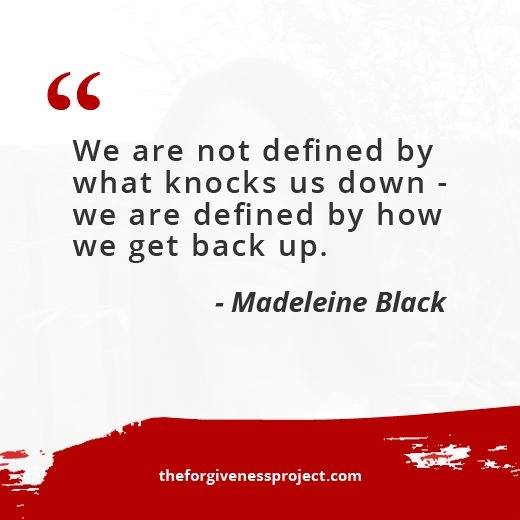
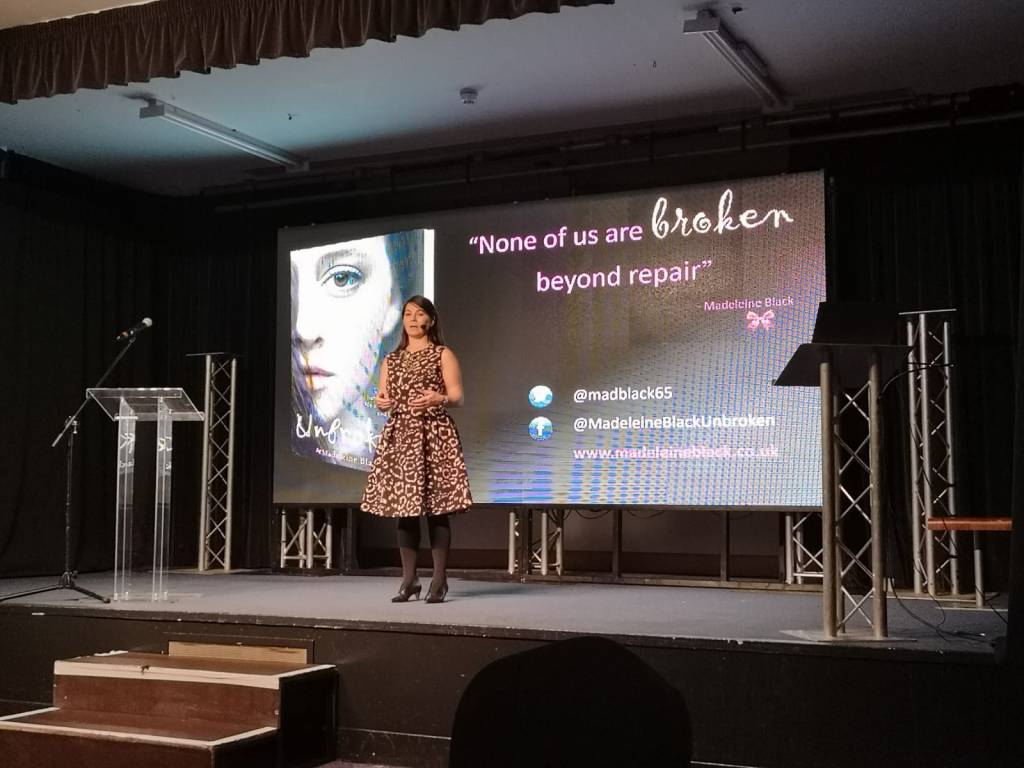
In her debut book Unbroken, Madeleine tells her deeply moving and empowering story, as she discovers that life is about how a person chooses to recover from adversity. We are not defined by what knocks us down – we are defined by how we get back up. She also hosts the Unbroken podcast where she has guests sharing their own stories of hope and courage.

Madeleine is also a TEDX Speaker sharing her journey to end the shame around sexual violence , works with the Global Resilience project and is the Patron for Say Women which helps rape and abuse survivors. She currently also works as a psychotherapist.

(image: Madeleine Black)

I will leave you with Madeleine’s words:

‘I am not my body or the things that were done to me. I am so much more than the sum of one night’

Thank you to Madeleine for giving me a copy of her book Unbroken to read and for all you do. You can get your copy here

Stress and Panic Attacks Part Two- My Mental Health.

(image: https://society6.com/product/its-okay-not-to-be-okay1048684_print)

Hi friends,

8 weeks ago when I last wrote, we were about to move into our new home. We have now been settled in and been there 5 weeks. It is so exciting and we have been overwhelmed with love. Moving though is a big life change and has triggered my mental illness again.

Lurking under the surface is my Bipolar/ PTSD anxiety disorder. If I do a lot and am more active, I can’t cope. I always try and do more than I am able and then end up crashing into panic- insomnia, racing anxious thoughts mainly and having to cancel plans. Social anxiety becomes heightened. Last week, I went to my mother in laws in Essex three times and also went to a family wedding (which was so special!). Both were lovely, but on Saturday night, my anxiety was triggered, thinking about going back home and socialising the next day- and my body and mind said Enough. This is too much.

Being on your own when you’re anxious and can’t sleep (but everyone else is) is one of the worst places to be. I actually posted an Instagram message at 6am about how I was feeling because I didn’t want to wake anyone up. People were really kind. I slept for maybe 2 hours and felt teary and emotional on Sunday, but had support from Rob and my family too.

The past few days my anxiety has been unleashed and remains high. I am writing this from my Mums house today as I didn’t want to be on my own again working in our flat . I have booked a session in with my therapist too because I am waking up feeling panicked. Its like my body and brain are trying to protect me from something, an old fight or flight response. I keep having regular panic attacks where I shut down, cry and hide in bed. Speaking to my therapist I know will help me process and clear the triggers behind whats going on.

Living with this is debilitating- but I will not be beaten. I will keep doing all I can to improve my low mood and anxiety, to keep going despite any setbacks and to try to heal my mind and soul so I can feel more confident and happier again.

Thanks for reading, I send love to anyone struggling

Eleanor

x