Self-care is a term thrown around these days and it’s one that you really have to pay attention to! If you’re going through a tough time or even if you’re not you need to learn how to look after yourself properly. It should never be understated that your self-care has to be a priority for you.
It can help to know that there are things that you can do to feel far less overwhelmed than you do right now. Taking care of yourself – whether through exercise or through other methods – is vital to your continued health. Being careful about your self-care choices is important, too, as the effect of diet on mental health can be bad for some people. Working out what works for you will take some time, but it will be worth it! With that in mind, here are some ways that you can take care of yourself and ensure that you feel good for a change!
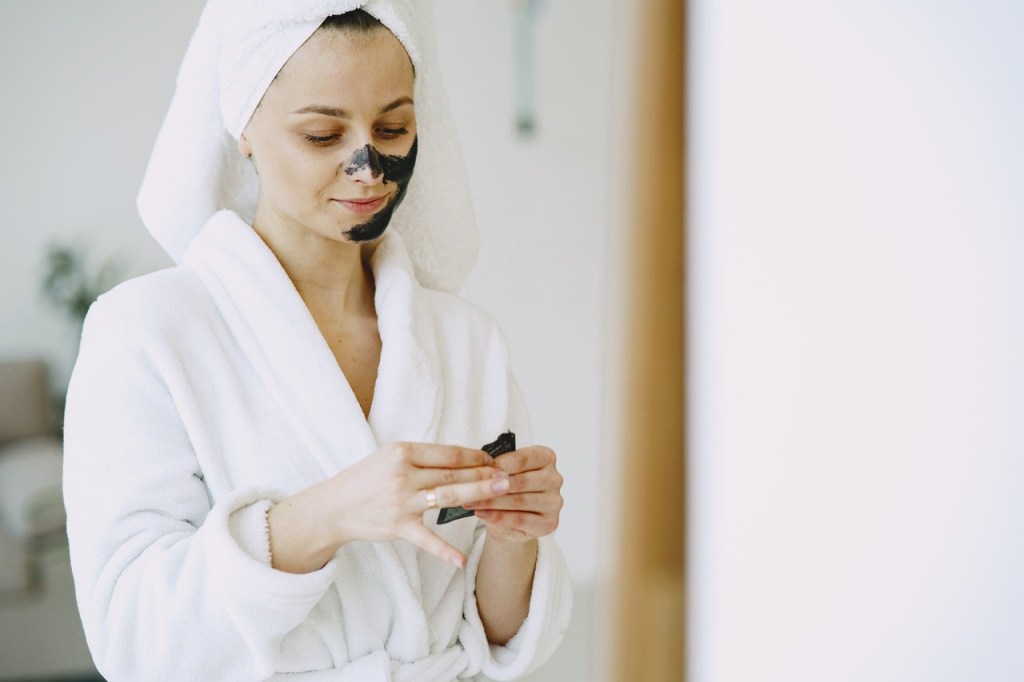
Treat yourself well. You don’t want to be someone who has nothing to look forward to, so make sure that you are doing something for yourself every single day. Even if it’s something as simple as a face mask while you brush your hair in the morning, make sure that you are doing it so that you can say that you looked after yourself today.
Move your body. Put your headphones on and have a dance party in the house by yourself if you don’t want to get out and run. Consider how much you can feel good just by simply moving your body more than usual. You’ll release a lot of endorphins when you do things this way, and exercise will make you feel good!
Choose to indulge in your passions. Are you excited about painting or do you like to make new clothes? Whatever it is, make time for it! You should give yourself at least 30 minutes every day to do something that you love and you can feel more fulfilled.
Build on your strengths if you’re feeling low. You need to figure out what you are good at and then build on those to feel better about yourself. You could be going through a particularly tough time and you should ask a family member or a friend to help you to figure out what you’re the best at. That way, you can ensure that you have more self knowledge.
Practice being mindful. Whatever it is you need to do to remind yourself of who you are, do it. Practice being in the moment and eat, walk and spend time with others while being mindful. Colouring books are a great way to do that, as they can reduce your stress levels and make you feel focused and resilient. You can meditate, use the Calm app and even just chill out in nature. Take your time here, because you won’t regret the time spent looking after you. It’s all you need to refresh your soul.
Humans don’t always want to let the world in to every aspect of their lives. Instead, they want to keep some things to themselves. They want a small corner of their lives that is their own – and only theirs.
Unfortunately, modern society works against our desire for privacy. Despite all the data protection laws out there, it’s almost impossible to prevent yourself from being watched and recorded, especially if you live in a large city. Plus, you continually have to hand over information about yourself to various authorities to help them.
Our society can create a new set of mental health issues for the modern world due to mass surveillance or exposure on social media. Mass surveillance is putting people’s lives on display, both in the physical and digital world.. But what can we realistically do about it?
Here are some ideas.
Find Out Who Is Allowed To View Your Personal Information
Some institutions and organizations have the legal right to know your personal information. However, many companies and private businesses do not. For instance, you don’t have to hand over all your personal information and details to Facebook or other social media sites. Learning who has a right to your information and who doesn’t is a great way to reduce surveillance and increase your feelings of privacy, if you require it.
Take Mail Online
You don’t have to hand out your real address to marketers. Instead, you can provide them with a separate virtual address and then view your mail using a web virtual PO box. This way, you can stop companies knowing precisely where you live and continually sending you information on the post.
Limit Or Eliminate Social Media Usage
Social media collects more data about you than anything else. It’s a good idea, therefore, to limit your usage of these platforms, if lack of privacy is a worry for you.
Review Your Privacy Settings
In many countries, data privacy laws mean that software companies must provide you with privacy options that work. Learn where you can locate these settings and then change them so that you can’t be tracked.
Make Friends Outside Of Social Media
Twenty years ago, virtually nobody was on social media. Everyone made friends outside of networking platforms. But these days, it can feel hard to do this. Making friends outside of social media, however, is great for both privacy and improving your mental health. You meet people in real life and get a realistic impression about what their lives are like. You’re also communicating in person which is fundamentally different from doing it online where you have less context.
Being tracked by apps or society all the time can cause feelings of anxiety. . Fortunately, you can take some steps to limit your exposure and keep your life private if you wish. If you’re struggling to cope, find a health provider that can assist you and protect your privacy at the same time.
There are ways to help your anxiety and learn to cope better with the modern world. Therapy can help a lot, so reach out for help from your GP or psychiatrist.
Yesterday, I woke up to hear that the Olympic gold medal winning athlete Simone Biles – the most decorated and greatest gymnast of all time, pulled out of the Tokyo olympics, citing mental health reasons. Instantly, she was criticised by people for not being a team player, for going to the Olympics in the first place, for daring to reveal that she is human and she struggled.
Gymnastics can be a dangerous sport if you are not in the right mindset and after not feeling her best, Biles withdrew from the competition. She still stood in the glare of the world media to support her team though!
We live in a toxic society that still doesn’t understand the mind- or anything they cannot see. Whether like Naomi Osaka, who withdrew from Wimbledon, its stress, anxiety, depression or burn out/exhaustion, the reasons are valid. Just like sportspeople pull out for physical injuries, mental injuries are just as justifiable and important. The brain is an organ and it can break too.
If we look at Simone Biles and her background, which I didn’t know until looking into it, she was sexually abused by her gymnastics coach as a child. She also comes from a difficult upbringing. She will therefore be carrying trauma in her life which could get triggered by the pressures that come with the Olympics and being the most visible and famous gymnast in USA history. She is only 24.
There is a certain columnist/journalist in the UK who writes and attacks women in the public eye with mental health issues constantly. it doesn’t matter if they could be depressed, anxious, burnt out or suicidal. It doesn’t matter if they have disclosed they have been suicidal in one case. He is paid to pull these women to pieces in public and accuses anyone not agreeing or being ‘woke’ or a snowflake’.
This infuriates me that someone with so much media influence spends their time attacking people who are vulnerable and who should have support.
I hope that in the not too distant future we won’t have to have these discussions about mental resilience, about how people are quitting on their team for being unwell, about how its an ‘excuse’. This is usually said by people that have no understanding of mental health issues and who do not understand the pressures of performing in public and being successful at that level.
With Naomi Osaka, she was fined for not attending a press conference and breaching her contract. If that isn’t discrimination, I don’t know what is.
This has to change. its 2021, not 1821!
I was heartened to see so much support for these women on social media and so I hope it is a small minority of views. But sport, a typically macho arena, needs to wake up, needs to support people and stop treating athletes in this way. This also echoes the workplace in general.
Solidarity with Simone, Naomi, Meghan and anyone else struggling. They are inspirations to people around the world with mental illness and together they will make a change.
Is high stress causing skin conditions like acne, skin rashes, psoriasis, and eczema to occur? Here’s how to tell!
If you’ve been experiencing high stress lately and have started to notice a change in your skin’s health, this is no coincidence. Aside from weakening your immune system and causing issues such as hair loss to occur, stress can also affect the state of your skin.
Everything from dry skin, to acne, skin rashes, and other conditions like eczema and psoriasis can all be rooted back to stress. And unfortunately, dealing with these skin issues can also increase stress levels, which can ultimately perpetuate the cycle. That’s why it’s critical to understand the relationship between stress and skin, as well as the different coping mechanisms and treatment available.
To learn more about the stress-skin connection, and how stress hormones may be affecting your complexion, read on!
Understanding the Relationship Between Stress & Skin
There are two dominant stressors that influence your skin health. The first is environmental stress. Unlike other organs in your body, your skin is constantly exposed to the outside world, making it more susceptible to environmental stressors such as temperature, humidity, and ultraviolet light. These factors can trigger your skin to produce stress hormones like cortisol, which inevitably, sends signals back to your brain. These signals contribute to the other main stressor that influences your skin: psychological stress.
Psychological stress disrupts the top layer of your skin—also known as the epidermal barrier—that acts to retain moisture and protect you from harmful microbes. A healthy epidermal barrier is vital for maintaining a clean, clear complexion as it helps to repair and shield the skin. So, when disrupted, your skin becomes more sensitive and reactive, causing irritation as well as the exacerbation of certain skin conditions to occur.
As your epidermal barrier continues to be affected by psychological stress, it can become increasingly challenging for these skin issues to heal properly, especially if left entirely untreated. In the next section, we’ll take a closer look at different skin conditions and concerns that may develop from chronic stress, and what you can do to manage them.
How Exactly Can Stress Affect Your Skin?
Think stress is the explanation behind the changes in your skin? Below are a few common conditions to lookout for and available treatment options to consider.
Atopic Dermatitis AKA Acne
If you feel stressed on a regular basis, don’t be surprised if zits and pimples start to appear. The effects of stress tend to lead to acne because cortisol—the “stress” hormone—encourages your sebaceous glands to speed up. Your sebaceous glands control the oil production in your skin, so when provoked, they naturally cause your complexion to appear oilier. In turn, this can cause your pores to clog and consequently, lead to acne.
Dealing with acne caused by stress is hard enough to begin with, but it’s especially difficult for people who naturally have acne-prone or oily skin. If you resonate with one of these skin types and are currently struggling with stress acne on top of your usual breakouts, it may be a good idea to invest in a prescription product to adequately treat your concerns. Using a tretinoin prescription to fight blemishes, for example, can make it easier to get rid of acne and acne scarring in real-time, and prevent further development from occurring.
Skin Rashes
Skin rashes like psoriasis, rosacea, and eczema are all tell-tale symptoms of high stress. The conditions will generally develop on account of a weakened immune system— another stress response your body has when dealing with high anxiety. When your immune system is weakened, it’ll likely lead to dysbiosis—an imbalance of bacteria in both your gut and skin health—to occur. If the imbalance appears on your skin, it’ll likely manifest itself with redness or rashes.
Pre-existing conditions are normally characterized by itchy, dry skin, but when dealing with high stress levels, these issues become all the more aggravated.
Fortunately, managing these inflammatory conditions can include using a basic anti-itch topical ointment that is readily available at your local drugstore. However, these aren’t effective in strengthening your immune system. Arguably the best way to promote overall immunity is to stick with a varied, well-balanced diet.
Fine Lines & Wrinkles
The natural aging process speeds up when you experience high stress, as it can cause changes to the proteins in your skin and fluctuate anti-aging hormones like DHEA (dehydroepiandrosterone). These factors can ultimately lead to a reduction of brightness and elasticity in your skin and accelerate the aging process. As a result, the formation of fine lines and wrinkles may occur.
Environmental stressors like ultraviolet light and radiation can largely contribute to an acceleration of the aging process. For this reason, it’s critical to make sure you’re protecting your skin at all costs, regardless of if you are indoors or outdoors.
Be sure to apply sunscreen everyday as the last step of your morning routine. This will help mitigate environmental stress that comes from excessive sun exposure and keep your skin looking youthful and radiant all year round.
This article was written by a freelance writer.
How to Prevent & Ease Effects of Stress
Skin care can only get you so far when it comes to managing your stress. While washing your face regularly and incorporating treatment products in your daily regime may be practical in treating the skin issues mentioned above, they’re not beneficial in alleviating chronic stress as a whole. There are various ways to reduce high stress and anxiety, so try to explore the different options out there. Here are a few options to get you started:
Schedule Time for Mindfulness: Give yourself a chance every day to relax with a stress-free mindfulness practice. Whether it be reading, writing, meditating, or stretching, remember to block off some time for yourself every day, even if only for 15 minutes.
Stay Active: Exercise and physical activity offer numerous health benefits, and one of them is lowering levels of stress hormones. Take advantage of this benefit by staying active throughout the week! From personal training to outdoor activities like hiking and biking, there are plenty of ways to get your heart rate up!
Talk to Someone: Managing high stress and/or poor mental health is not something you should burden yourself with. If you’re having trouble navigating your stress-free journey alone, don’t hesitate to talk to someone about how you’re feeling. A simple conversation with a friend or family member can be more therapeutic than you know, but if they’re support isn’t enough, don’t be afraid to seek professional guidance from a mental health counselor.
The journey to recovery from alcohol or substance abuse is a long one and is never a straight line. While rehab and detox are the essential first step in sobriety, they’re just the beginning of the journey that can last for a very long time. Going straight back to your previous life and surroundings can be triggering and jeopardise your progress, leading to relapse.
This is where a sober living home can be the perfect next step on your journey to recovery. These are interim, transitional steps that give you independence based on structure and support. They are designed to help you rebuild your life skills and relationships away from the temptations of drugs and alcohol.
Additional Time To Recover
The more time and energy you can devote to your recovery, the more successful you will be in maintaining it for the long term. In a sober living home, you will be in an environment where there are no drugs or alcohol to tempt you and find a support network of staff and other residents with which to share the experience. Giving yourself this additional time to recover could be the difference between success and failure.
24/7 Support
Most sober homes, including Bridgeway Sober Living, have specialist managers on-site 24/7 to give your support and encouragement during your recovery. They are there to help with issues such as feeling depressed right the way through to helping you find a job.
A lot of the support staff in the sober living home have personal experience with addiction either through their own experience or that of a friend or loved one.
Meaningful Relationships
A sober living home can let your form bonds with others that aren’t rooted in alcohol. You’ll have lots of things in common and a shared sense of purpose. Your road to recovery will be anything but lonely.
Rebuilding Life & Social Skills
The basics of everyday life can be difficult for someone in the grip of addiction. Even dressing, washing, and taking out the trash can be beyond some people. Sober living homes allow you to put a structure back into your everyday life that can rebuild your life skills. You’ll relearn how to look after yourself and your surroundings.
Regain Your Independence
In rehab, your movements and activity are controlled tightly until you’re discharged. Often, going straight back to your former life can be overwhelming. Sober living homes give you the opportunity to start claiming your independence back gradually. You’ll be expected to go out and find your own job, attend social gatherings and look after yourself, all within the safe space of the sober living home.
Final thoughts
Sober living homes are becoming a viable choice for many recovering addicts. You can find them in all major cities and highly populated areas. They are very well designed, as far away from the stereotype as you could imagine. As part of a successful recovery, they can be the transitional step you need to complete your recovery.
Exercise, including personal training, helps to keep your body healthy and strong. However, did you know that physical activity can also improve your mental health?
Due to the current Covid-19 pandemic, mental health has become an increasingly popular topic of conversation, especially as people have been stuck at home trying to get through the seemingly interminable lockdowns.
So, what are the mental health benefits of exercising?
You feel a sense of achievement
Exercising on a regular basis can provide you with a sense of pride and satisfaction. Nevertheless, personal training requires:
Hard work
Determination
Perseverance
If you possess these qualities, you will not give up easily and this will enable you to significantly improve your mental wellbeing.
It can keep you calm
If you have a stressful job or challenging lifestyle, exercising is an excellent way of releasing a lot of the tension. Unfortunately, gyms can be overcrowded and this may even add to your stress. Private studios may be a better option as they only allow a few people in at a time and you will also have the benefit of a personal trainer supporting you. Even if the exercises are intense, the quiet and spacious room will keep you calm and focused.
A healthy alternative to anxiety and depression
Exercise, especially if performed regularly, can prove effective in helping you fight off anxiety and depression. Indeed, physical activity can work as a standalone treatment or in combination with medication and therapy.
The fantastic thing about exercise is that there are few if any side effects. In addition, compared with taking antidepressants or undergoing psychotherapy, you will not experience any form of stigma.
If you are having some issues with anxiety, exercising regularly can help reduce your tension. One of the main advantages of exercise as a form of treatment for anxiety and depression is that it incurs very few costs. Despite this, it can significantly improve your mental health.
It can halt or at least delay the onset of cognitive decline
Modern healthcare strategies have increased people’s life expectancy here in the UK. However, there has also been an increase in the number of cases of dementia and cognitive decline. Fortunately, physical activity can help protect you from this type of disease, or at least delay any further decline. Also, a regular workout can reduce your chances of suffering from depression by around 20–30%.
It will increase your mental resilience
Personal trainers have pointed out that many people tend to quit exercising after their first few days due to a lack of willpower. However, if you give up too easily and don’t stick to the programme, you may develop low self-esteem and depression. If you book sessions with a well-respected personal trainer, they will help you push on so that you go beyond your comfort zone. Indeed, as you get used to the routine, your mental fortitude will also be strengthened.
Regain your mojo
Your mojo is a quality that will attract people to you, make you successful and give you lots of energy. When people say they have lost their mojo, it means they have lost their enthusiasm and zest for life. Fortunately, a suitably designed training programme can help you regain your mojo.
Personal training supports self-improvement
In general, people like to see if they can improve themselves. Personal training can certainly help in this regard, especially when it comes to self-confidence. When you complete an assigned exercise routine, it gives you the confidence to extend yourself even when confronted by a difficult challenge.
How much exercise do I need?
To achieve the best possible results from your physical activity, you need to do it on a regular basis. The NHS recommends that you perform at least a 2½-hour intense workout every week or 30 minutes of exercise per day. Although this may seem daunting, especially if you are a beginner, as you get used to the routine, it will become much easier.
Physical training is a good start
Bearing in mind the current Covid-19 situation, it is no longer advisable to exercise in a crowded gym. Fortunately, physical training offers you some elbow room. Due to the wide open space, you can focus on doing your exercises with little or no distraction. And, by practising social distancing while you perform your physical activities, you will also gain peace of mind.
Conclusion
As well as looking after your body, it is imperative that you take care of your mind as otherwise, you may potentially find yourself requiring a significant amount of medication or therapy. However, exercise, including physical training, is a healthy way of helping mental health conditions such as anxiety, depression and dementia. You can also obtain some notable benefits from your physical activity, ranging from feelings of accomplishment to regaining your self-confidence. Remember, it is vital that you start exercising as soon as possible in order to improve both your physical fitness and your mental wellbeing.
Note from Eleanor: it is important to note that if you are very unwell, exercise may not feel achievable. Be kind to yourself and look after your energy.
(image of Face to Face – a mental health photoshoot : Kathryn Chapman photography)
In my early twenties, after suffering years of severe depression and anxiety, I attempted suicide and ended up in hospital. Life was completely unbearable, ending my life felt like the only option. I existed in an excruciating, disassociated, confusing, numbed-out-tuned-in agony. Sometimes I’d feel incandescent rage and injustice, other times overwhelming sadness and often infinite emptiness.
I didn’t know who I was, I hated myself and my inner critic was rampant. I had no idea how to love myself or even what that meant. I embarked on 25 years in and out of talking therapy but achieved nothing and I was left drained, hopeless and utterly tired of talking.
In 2015 my mental health hit a massive low, I was knocked off my bike and the fragility of life hit me like a tonne of bricks. But it didn’t make me more positive, it made me more whats the point?
A subsequent psych assessment revealed clinical depression, severe anxiety and ‘off the scale’ PTSD. What was reflected back was a massive shock and once I’d got my head round it, promised I’d do things differently. My way. One thing at a time.
I started with my drinking and buried trauma began to surface. It was in this space I finally started to get a handle on what was going on – it helped enormously but didn’t stop the cycle of depression and ferocity of my inner critic. But the mirror held up during the psych assessment had planted a seed.
A couple of years later, I had an idea for a self-portrait shoot. It persisted in my head for months before I realised it wouldn’t go away until I’d created it. It was a test – I wanted to see if everything was as bad as it felt, to hold up a mirror to myself, to look myself in the eye and face myself fully. So I sat with my most difficult emotions and photographed what was there.
I hadn’t thought about how I might react to the images, what I’d think, how I’d feel or what they might teach me. But there, looking back was a woman in agony, desperate for care and love, and the only person who could do that for her was me. It was a moving and very powerful moment.
Amongst the pain and hurt, I saw vulnerability, courage, resilience and strength – here I was, in all my beautiful mess. This was the first time that I saw and fully accepted myself, the first time I gifted myself kindness, patience and gentleness. I couldn’t deny what was staring back at me and I experienced a deep compassion for myself that has remained ever since.
It was the catalyst I needed to prioritise self-care and to feed my soul. I realigned with my spiritual needs and discovered a way to quieten my inner critic. I looked after myself holistically and it came easily, because not doing it wasn’t an option. The images had changed what I thought about myself, what I said to myself, what I saw in myself. It was transformative.
Six months later (after intending never, ever to share any of the images) I posted this picture. I got so much love and support, it was amazing.
Not long after another surprising thing happened – I found my life purpose. I developed everything I’d discovered into a therapeutic programme and named it Face to Face®. I hold up a mirror so clients may see their own potential for lasting self-compassion and happiness, helping them come home to all that they are, to see they’re enough, they’re not to blame, that they matter.
To see themselves better.
Looking back, I realise that however close I came, I never gave up hope. I never gave up thinking there must be something or someone that would make the difference I needed. The something that made the most difference was my shoot and the someone that helped turn my most significant corner was me. I was my own light. Our answers are within us, sometimes we just need someone to walk next to us for a while, to join us on our journey and reflect back our strength while we navigate the storms.
Keep searching, be your own priority. Trust who you are and what you need. And most of all have hope, because without hope we have nothing.
Kathryn is a portrait photographer, creator of Face to Face®, Freedom Shoots and the Inner Critic Tool. She is fascinated at how we perceive ourselves and uses therapeutic photography to challenge self-belief, offering a different perspective. She helps to understand what it means to be human – vulnerable, complex, creative, beautifully flawed, perfectly imperfect and astonishingly brave.
8 weeks ago when I last wrote, we were about to move into our new home. We have now been settled in and been there 5 weeks. It is so exciting and we have been overwhelmed with love. Moving though is a big life change and has triggered my mental illness again.
Lurking under the surface is my Bipolar/ PTSD anxiety disorder. If I do a lot and am more active, I can’t cope. I always try and do more than I am able and then end up crashing into panic- insomnia, racing anxious thoughts mainly and having to cancel plans. Social anxiety becomes heightened. Last week, I went to my mother in laws in Essex three times and also went to a family wedding (which was so special!). Both were lovely, but on Saturday night, my anxiety was triggered, thinking about going back home and socialising the next day- and my body and mind said Enough. This is too much.
Being on your own when you’re anxious and can’t sleep (but everyone else is) is one of the worst places to be. I actually posted an Instagram message at 6am about how I was feeling because I didn’t want to wake anyone up. People were really kind. I slept for maybe 2 hours and felt teary and emotional on Sunday, but had support from Rob and my family too.
The past few days my anxiety has been unleashed and remains high. I am writing this from my Mums house today as I didn’t want to be on my own again working in our flat . I have booked a session in with my therapist too because I am waking up feeling panicked. Its like my body and brain are trying to protect me from something, an old fight or flight response. I keep having regular panic attacks where I shut down, cry and hide in bed. Speaking to my therapist I know will help me process and clear the triggers behind whats going on.
Living with this is debilitating- but I will not be beaten. I will keep doing all I can to improve my low mood and anxiety, to keep going despite any setbacks and to try to heal my mind and soul so I can feel more confident and happier again.
Thanks for reading, I send love to anyone struggling
Events in 2020 put a great deal of pressure on relationships and many marriages didn’t survive. If yours is folding or has already collapsed, do your best to treat yourself and your former spouse as fairly as possible. Focus on the safety and security of all, and make sure to give children the most caring and logical structure possible.
Prioritise Safety First
If either adult in the relationship is abusive in any form, including physically, financially, sexually, or emotionally, the first step must be to get them out of the house. Even if they continue to choose that behaviour, getting them out of the space where your children live will reduce the risk of further damage. Additionally, counselling for all parties should be sought.
The abuser may resist therapy. Talk to a family law specialist about supervised visits if they refuse to seek counselling.
If you can create an abuse-free space as a couple, you have a chance of handling your divorce as fairly as possible. Divorces can be emotionally draining for everyone involved, so it is important to control the situation in order to prevent potential problems in the future.
Be Smart About the Money
Too often, angry people set out to financially sabotage their ex. Ultimately this serves nobody, especially if you have dependent children in the household. To get to a better place in your mind and heart about this, you and your spouse may need to sit down and put together a budget for two households.
If you can’t make the numbers work on paper, you may need to make a different choice. For example, perhaps you could move into separate rooms and continue to maintain one household for a time. This isn’t ideal, but it can make it possible to avoid conflict while you make financial adjustments. It can also prevent the spread of your family’s environmental impact. Of course, you should not agree to any ideas that you are not comfortable with. Reaching an agreement that you are satisfied with will help make it easier to move on emotionally.
Stay Friendly
It’s hard not to resent your spouse as you work through the divorce process. This unfriendliness can force your loved ones to take sides. If you need to vent with a friend or talk to a therapist, do so. Having someone to talk to during your divorce can help you avoid feeling overwhelmed. However, forcing family and friends to take sides in your battle will probably not be healthy for any of you in the long run.
Divorce can be the toughest decision you’ll ever make. However, it can also be one of the best choices for you and your children. Be smart and do your best to keep your and your children’s best interests in mind.
This blog was written by Brooke Chaplan, freelance writer and regular contributor
Mental health workers have continued to take care of their patients even in the midst of the recent Covid-19 quarantines and lockdowns. However, there is no doubt that the pandemic has made their job a little more difficult; longer working hours, the threat of infection and redeployments have all placed enormous pressure on working conditions. In addition, due to the nature of their work, many mental health staff are worried about infecting their family members.
How has Covid-19 affected mental health care?
If you are a mental health worker, you may be worried about how the pandemic will affect the way in which your patients can continue to receive high-quality care. For example, staffing levels may be reduced due to Covid-19 restrictions, sickness or self-isolation requirements. Meanwhile, community support is being cut back, which only makes failed discharges more likely.
There may also be a fear that you or your patients may unintentionally transmit Covid-19 to other people despite taking every health precaution possible.
What would you do if a patient exhibited signs of the disease?
Often, mental health patients are unable to understand their condition. Moreover, many healthcare facilities are not even providing the most basic protection (PPE) to staff.
How can managers and supervisors promote their staff’s well-being?
By providing accurate and timely updates
By rotating staff so they alternate between very stressful and less stressful duties
By buddying-up new recruits with experienced staff
By making sure that every team member takes regular breaks
Coping mechanisms
As a key worker, maintaining your emotional well-being is of paramount importance. According to this article, people working in the mental healthcare sector are often anxious about:
The safety of their patients
The possibility of infecting others or getting infected themselves
The financial impact of the pandemic
One survey has revealed that many nurses are suffering both mentally and physically.
Stress is an everyday aspect of the job, even without the current Covid-19 crisis. The important thing is to effectively manage your stress as well as your psychosocial and physical status.
Despite the heavy workload, stress and isolation from your family and loved ones, you need to remain resilient during the ‘new normal’. Days off are essential in order to recharge your batteries, so you should never feel guilty about taking them. Also, make sure you take your assigned work breaks.
Furthermore, there are various coping techniques that can help. For example:
Always stay hydrated
Eat healthily
Make sure you get enough sleep
Maintain social contact, even if it is virtual
It is also a good idea to stick to tried-and-tested coping strategies, including:
Deep breathing
Relaxation techniques
Regular exercise
Being mindful
Talking to someone (a family member, co-worker or friend)
However, it is important that you try to avoid these unhealthy coping practices:
Drinking
Taking recreational drugs
Smoking
Turn off social media
Social media can be a valuable tool for obtaining and sharing information. When it comes to your mental health, it is also a useful outlet for letting off steam.
However, the negativity that often permeates social networks can also heighten your anxiety so you need to make sure you:
Mute any words or phrases that can trigger negative emotions
Unfollow or ‘snooze’ offending hashtags, users or groups
Set boundaries with regard to the time you spend on social media
Rumours or speculation can often trigger anxiety. However, accessing accurate and up-to-date information about the virus is the best way of counteracting this problem.
Conclusion
Although mental health nurses may not be considered to be frontline workers, they still face the same risks. In addition, the Covid-19 pandemic has made their job even more difficult due to staff shortages and the reduction in community support. There have also been issues with the supply of PPE. Bearing all these issues in mind, it is essential that staff take care of their physical and mental well-being. There are various coping strategies that can help, including getting enough food and sleep, maintaining regular social contact and exercising as often as possible.