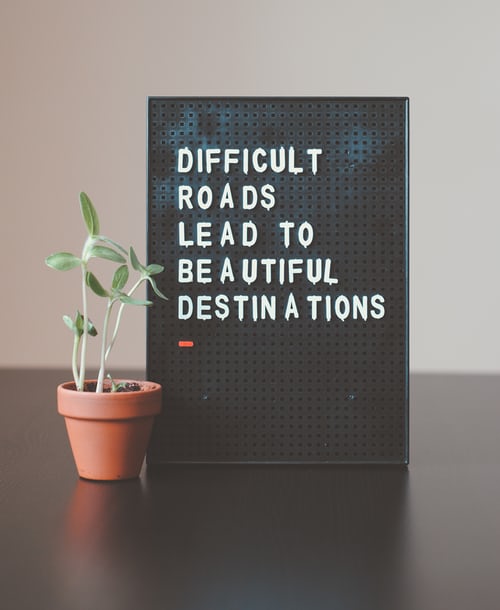
I havn’t done a personal blog for a while because things have felt pretty…. the same. We are all going through such a difficult year where we feel in limbo, stuck with the dark, cold nights and little to distract ourselves- we can’t travel, go on holiday, see friends indoors in person . It can all feel bleak and frustrating with Covid 19 and this new world we find ourselves in.
I am lucky that my mental health hasn’t taken a nosedive, although there have been days where I have felt low, anxious and overwhelmed. I love my work for the Body Shop and my writing, but there are times when I just want a break. We were planning on maybe going away somewhere in the UK, but then Tier 3 restrictions hit London, so we will be at home over the Christmas break. Instead, I have made sure I have taken time for myself and rested- so that things don’t get too much.
I opened my book Bring me to Lightthis morning- I don’t often read it as I wrote it. But, it fell on this page- a poem about Bipolar that a fellow friend and patient wrote when we were on the hospital day unit in 2014. She also had bipolar disorder and was in there for her recovery.
It said,
Believe
In
Progress
Options
Laughter
and
Recovery
She kindly let me keep her poem- at the time, I needed hope, healing and faith- that I could get better. That Bipolar wouldn’t ruin my life.
I did get better. I have been so much better on my new medication. I met an amazing man who is now my husband. I found a career I am able to do with my PTSD and new friends and a team of people around me who are wonderful. Life is good.
However, a small part of me is scared. Scared to get ill again or be hospitalised. Scared of the psychosis that wrecked my life. Scared of whether or how I can become a mother whilst on Lithium or whether we will need to look at surrogacy as the meds can cause birth defects and there is a strong risk of post partum psychosis and pre or post natal depression for me with my bipolar. I am scared that if I carried my own child, I could end up on a hospital ward again- but a mother and baby one. I don’t want that to happen.
In my book Bring me to Light I wrote, ‘ Sometimes I still feel like the scared sixteen year old, sitting in that psychiatry room at the Priory North London, being given a diagnosis of bipolar disorder. …I have learnt that thanks to Lithium and therapy, bipolar disorder does not have to be my life.’
But knowing Lithium’s impact on my physical body too is scary. Weight gain. Acne. Water retention. Potential issues with kidney function/diabetes in future. Not being able to breastfeed on it or possibly carry a baby due to the severe risk – I have the most acute form of Bipolar and become very ill without medication.
These issues are so personal and I and Rob have been processing them for a while. We lost Robs dad to brain cancer in July and I didn’t feel able to blog about children before now. But, when the time is right and we speak to a perinatal psychiatrist and plan for a child, I want to write about it- maybe even a new book.
In the mean time, I am excited for new births in our family and I am just living and enjoying being well, being healthy.
I never see myself as someone with a disability- I always look for the Light. But, there are limitations and drawbacks to having this illness, even when it is in remission. It is biological and impacts on things I never realised when I was diagnosed in 2004. At the age of 32, these are becoming more real than ever and its scary. But, I want to smash the stigma and so I will write about what I can.
I wish you all a wonderful , relaxed festive season with good mental health- Happy Chanukah and Christmas.
It’s no surprise that our mental health is affected by the culture around us and our technology-based lifestyles. Every day we are bombarded with stimuli and information that influences our mental and emotional states and alters our opinions and worldviews. This is happening all the time, every day.
Today, we spend so much time online that it has become second nature, and we are losing important social skills and mental abilities that were once considered essential for a healthy lifestyle. It’s important to remember the impact technology has on us and adapt our lifestyles to include more nourishing practices. You can do this with a digital detox, read on to discover more.
Spend time offline
Depression comes in many forms and is very common. You can be mildly depressed due to a situation eg something that happened in work, or clinically depressed meaning you have a low mood that doesn’t seem to go away and only medication seems to help. Any state of depression can be exacerbated by using the Internet.Â
Those who overuse the Internet are prone to depression, researchers have found. This may be due to the lifestyle of heavy Internet usage that limits social contact and encourages a stay at home mentality, but it could also be caused by mental feedback loops when feeling of depression and low mood are reinforced through Internet behaviour.Â
Naturally, there are several solutions to the issue. If you experience low mood coupled with high Internet usage, consider switching off for a period or limiting your usage in the week. Instead of Internet usage, try a different activity such as talking to friends and family or taking a nature walk.
Limit SmartPhone Usage
Smartphones are a wonderful invention, as are mobile phones for seniors; they are portable computers and communication tools, essentially. But there are some underlying issues associated with them, especially with regards to mental well being. It’s thought, for instance, that high smartphone usage can increase anxiety and feelings of unease and restlessness. It’s no wonder with so much of our lives dependent on them.
Smartphones can increase anxiety due to our attachments to using them. We not only store important everyday information on them; we also communicate through them, socially and for work. In some ways, our smartphones have become our gateway to the world, and it’s difficult to put them down sometimes or go a few minutes without checking them for updates.
Although it’s challenging a successful digital detox will involve a reduction of smartphone usage. You can limit your usage by making certain rules for yourself. The phone is not allowed in the bedroom, for instance, or you are only allowed a certain percentage of screen time per day. Train yourself to use the smartphone less and create discipline by opening up other avenues of communication.
Log Off Social Media
The Internet is useful for many things, but no one knows what it’s main purpose is; that said if it’s meant for anything, it’s meant for communication. Social media is an online phenomenon that has emerged or evolved throughout the age of the Internet, from chat rooms in the early days, to MySpace and then Facebook and others. There are now 2.7 billion Facebook users worldwide.Â
Although this platform is an excellent way to communicate with friends and relatives globally, to start businesses, sell things, and market services, there are some hidden dangers that can lead to anxiety and depression in people, some of whom are unable to escape from their online habits.
Everyone on Facebook presents the best possible image of themselves, which leads to feelings of inadequacy and low self-esteem when some people start comparing and contrasting. The reality is that many people experience issues in their lives, and no one is as perfect as how they like to be perceived. Logging off social media for a time can greatly benefit your mental wellbeing.
Social Media Dangers
The dangers of social media extend beyond low self-esteem based on comparisons. Facebook and Instagram may be the catalyst for such conditions, but the conditions can then manifest in various ways and cause long term mental and physical health issues. Disorders such as anorexia and addiction can worsen from heavy usage.
A phenomenon that affects mainly women is an increase in body awareness and adaptive behaviour based on the effects of social media. Since so much of social media feeds are occupied with perfect images, some women feel pressured into conforming and changing their body shape to achieve positive attention. This encourages eating disorders like anorexia or body dysmorphia.Â
This all points to a reduction in social media usage for improved mental wellbeing. It should also highlight the consequences of comparing ourselves to others. You can limit your social media usage by deleting your apps for a period, perhaps a week or a month. It doesn’t mean you have to leave the website, but train yourself to develop healthier online habits.
Improve your Sleep
Researchers have found that the average person requires eight hours of sleep per night to go through their full sleep cycles. What’s more, your sleep should happen through the night due to your circadian rhythms – these help keep the chemicals in your brain properly balanced so that you regulate and maintain optimal mental wellbeing.
Technology can influence and disturb your sleep patterns and cause insomnia in extreme cases. Harford researchers discovered that the blue light from laptops phones and devices was sufficient to reduce the levels of melatonin in your system. Melatonin is the chemical responsible for putting you to sleep. So using your screen every night in bed might cause you to fall asleep later and feel more drained in the morning.
A digital detox is recommended if you find your sleep pattern is disturbed for some unknown reason.
Make your bedroom and technology-free zone. Leave all your devices elsewhere in the house and take a book to bed instead. Reading a book does not have a digital glow and should help you fall asleep faster. You might also delay your technology usage in the morning shortly after waking.Â
Above all, look after your mental wellbeing and detox when you need to.
We all think we know what anxiety looks like. It looks like hyperventilating, sweating, and a worried look on someone’s face. But the truth is anxiety looks like a lot of different things to different people, and there are some secret signs of anxiety too.Â
While you can’t mask all of the physical signs like hair loss, increased or decreased appetite; a lot of anxiety is dealt with in secret.
Even if you don’t personally have anxiety, it is important that you can spot the signs of anxiety in your loved ones. It will help you to help them.
There are some common, yet not totally obvious signs that someone (or yourself) is suffering. It is important that you let them know that there are options for support. Sometimes a good conversation and regular therapy can help. Other times medication and rehabilitation like The Banyans might be the answer.
Headaches
Some headaches are caused by dehydration, and others are caused by stress. A stress headache usually happens because someone is holding their jaw clenched tightly, which causes tension in the neck, shoulders and up to the head. The clenched jaw may last through the night, and this will cause headaches.
Eczema
Note that stress and anxiety cause an inflammation reaction in the body. This, in turn, will cause eczema to flare up. Another issue is that when people are anxious or worried, they tend to sweat more. The sweat will act as an irritant and increase the impact that eczema is having on the body.Â
Sweating
As mentioned above, extra sweating can be a sign of anxiety. This is due to the adrenaline that is running through our bodies. The adrenaline is involved in the fight-or-flight reaction, and that ‘state’ is a high alert state. It causes sweating.
Bad sleep
If you, or someone you care about, are often talking about how poorly they are sleeping, there is a good chance there is something deeper going on. Most often mental health fluctuations will cause a person to sleep more than usual or not at all. Insomnia, nightmares, sleepwalking, disturbed sleep are all common signs of anxiety and stress.
Illnesses
Coughs, colds, aches, pains, and generally feeling run down are signs of anxiety too. Stress has an awful impact on your immune system. It promotes and overproduction of the hormones that regulate your immune system. This affects the ability of your body to produce white blood cells to fight infection. The weakened immune system means you are more susceptible to illness.
Stress and anxiety will also impact your mood. It will make it more difficult for you to regulate your emotions. People who are feeling stress are usually irritable and can have mood swings too. Difficulty concentrating can also be a symptom as well as an issue caused by stress and anxiety. Decision making and memory are impacted too.
If any of these things sound familiar to your then it is time to take steps to reduce your stress and anxiety levels or have a chat with a friend who is exhibiting signs.Â
Make sure you look after yourself and speak to a doctor if you are concerned about your health.
Humans are probably the only species on the planet that know that life is finite. Practically every other creature that ever existed did so in a state of blissful ignorance. The end of life wasn’t some dark, horrible certainty that needed pushing to the back of the mind. It just didn’t exist psychologically.Â
We have no such luxury. As thinking beings, we have to confront this issue, one way or another, and somehow try to make peace with it. It’s not easy.Â
Over the years, you can see some of the strategies people used to try to do this. One method was believing in the afterlife and in the soul – somewhere that you’d go once your physical body finally gave up. For many people, this is a core tenet of faith. For others, it is not. The idea that we could somehow pass away into nothingness seems like a tragedy.
Aging is currently a big issue in our society. The number of people over the age of 65 is the highest that it has ever been. And it is going to continue to grow as the population changes. Fewer people are having babies, and more people are living into their seventies, eighties, and nineties. It’s a big difference compared to just a few decades ago.
In this context, we are all having to learn how to deal with our finite lives. But what’s the best way to do it?
Get Comfortable With It
Nobody likes the idea that we’re here for a small amount of time. We have these unlimited imaginations. And yet, we’re confined to these Earthly bodies.
One piece of advice is to try to find ways to become comfortable with the fact that life doesn’t go on forever. It seems taboo to even talk about it, especially when there are people around us approaching the end of their lives. But it is critical that we address the issue internally. Unless we can somehow make peace with it, we’ll never find peace in ourselves. We will always have this gnawing feeling at the back of our minds that the whole show will come to an end. That’s no way to live.
Talk To Somebody About It
Sometimes, chatting to somebody you trust can help you come to terms with the facts of life. If you don’t have anybody in your life who fits the bill, then there are plenty of helplines available including Samaritans or you could talk to your GP or a therapist/ psychologist if it is beginning to impact on your day to day living and mental wellbeing .
In many cases, just getting the words out can help tremendously. Speaking your mind to a sympathetic person is a great way to come to terms with reality.
Prepare For It
The finitude of life can also be scary for another reason – the fact that we aren’t always prepared for the end of it. We can spend weekends worrying about what will happen to our loved ones when we are gone.
We can’t go on living forever. But we can make financial arrangements to ensure that people who depend on us are taken care of in the future.
Setting up a policy to provide a lump sum to your relatives and dependents is relatively straightforward. And getting free gifts with life insurance is always a bonus.
Complete Your Goals
Having the discipline to complete your life goals is a real skill and one that relatively few people ever manage to master. Ideally, you don’t want to get to the end of your life only to look back on it and regret that you didn’t live it the way that you wanted. You need to feel like you completed your goals – or at least took control and moved towards them.
Sometimes taking the plunge and just getting on with things that you’ve left on the back burner is the best way to cope with the fact that life is limited. When you pursue that which is truly important to you, a lot of the worries and concerns disappear. You know that you’re making the best possible use of your time – and you’re grateful for it.
Appreciate What You Have
Yes, the facts of life can be tough to accept. But it is also worth appreciating the fact that you’re here in the first place – a very unlikely event when you consider all the people who could have been born throughout history. That’s some consolation when you think about it. There is always goodness and hope in life- make the most of it. This article was written by a freelance writer.
The Adverse affects of relationships on mental health
Relationships have the power to affect mental health negatively. If you don’t know how they can affect you, it’ll be hard to lay down a great foundation to ensure you don’t fall victim. Take a step to lay down the rules for a positive relationship.
What if we told you that your relationships have the power to affect mental health? It’s true; your relationship status can affect mental health. But, finding out how relationships affect mental health isn’t a simple mathematical equation. There’s a lot more that has to go into it, and to be honest, it’s complicated.Â
Relationships Have The Power To Affect Your Mental Health
Fact: We all desire to have real connections through stable, long-term relationships with our “ideal partners.” Whether you meet a potential partner after checking out the best dating sites review or through a mutual friend doesn’t matter. What we think about most is the optimism and the excitement we feel once we click with someone else. We never stop to consider what can affect the mental health of the people in a relationship.
Unfortunately, even the most glamorous relationships come with associated risks and can affect mental health. To affect mental health positively, there have to be some previously laid out rules that lay the groundwork for a great relationship.
Without knowing what these boundaries are and the risks associated with a relationship, we are prone to unknowingly affect our mental health. So, what relationship factors affect mental health negatively? Read on to find out.
Lack Of Sex Can Increase Stress Levels Well, well, this shouldn’t be so surprising. If you’re wondering, “can loneliness affect your mental health?” here’s your answer. When you have an intimate partner within your vicinity, chances are, you will have frequent sex. The bonds created during the act of bonding are so outstanding that they have the power to affect your mental health.Â
Frequent sex can lead to greater satisfaction with your relationship. If there’s less sex, then other aspects of the relationship are affected too. The less sex you have, the more prone you are to affect mental health.
Stress levels will soar, and you’re more likely to exaggerate aspects such as financial disagreements, responsibilities over chores, and parenting disputes. While there may be other underlying issues, lack of sex and intimacy is an undeniable factor that can affect both partners’ mental health.
Relationship Difficulties Can Cause Anxiety
Whenever couples are having relationship difficulties, there’s bound to be full-blown anxiety. Unfortunately, the converse is also true. Anxiety can lead to marital problems. Surprisingly, some research suggests that marriage can protect you against anxiety. Confusing, right?
Well, it depends on how you look at it. For marital issues to affect mental health negatively to the point that they cause anxiety, there have to be underlying issues that aren’t resolved. Problem-solving in a relationship has to be done in a way that allows both parties to express their feelings to deal with matters conclusively.
Once an issue is dealt with, both parties become anxiety-free and display better mental health. On the other hand, married people have potential “shoulders to cry on,” and this kind of emotional support is a great way to affect mental health positively.
Sleeping Problems
Unless your partner snores and keeps you awake through the night, sleeping next to them can help you fully relax during the night. But it isn’t that simple. If there are conflicts or insecurities in the relationship, you will have a more inadequate sleep because of thinking through issues during the night.
This, in turn, escalates problems such as insomnia or daytime fatigue. As a result, there’s a vicious cycle with leeway to affect the mental health of both parties negatively.
Social Pursuits Affect Mental Health
Many people wonder, “why does quarantine affect mental health?.” Couples in healthy relationships have to socialise. Socialising is a great way to boost mental health positively. Leisure time may include meeting family and friends, visiting their favorite restaurant together, or even spending the weekend sampling the latest nightclubs.
However, since there are limited opportunities to get so involved during quarantine, spending more and more time without socialising with other people can take a toll on the relationship. When couples spend time socialising, there’s more opportunity to improve their mental health positively.
Since humans are social creatures, we feel better when we make connections with others. But, even this shouldn’t be excessive. Too much can result in alcohol dependency and self-destructive behavior, which has the potential to affect mental health negatively.
Toxic Relationships Can Lead To Physiological “Fight Or Flight” Responses
Toxic relationships can lead to physiological responses that may urge you to either run from the stressor or fight it. These are common reactions that stem from mental, physical, or emotional abuse. Regardless of the stressor we face, we condition our minds to respond. These kinds of reactions leave us feeling drained and have the potential to create poor mental health.Â
Conclusion
Whether we like it or not, relationships can affect mental health either positively or negatively. Their effects are worse if they’re negative. To ensure that relationships don’t have a platform to affect mental health negatively, you have to take the necessary precautions to safeguard yourself against negative repercussions.
What do you think is the COVID effect on mental health? What precautions would you put in place to protect your health?
Author’s bio:
Miranda Davis is a freelance writer in the relation and psychology area. Miranda is interested in such topics as building healthy relationships between people, love/sex compatibility, and how to find the right balance in life in general. She is currently doing specific research on the topic. Miranda loves cooking and long-distance walking.
As a result of the COVID-19 pandemic, you are probably spending more time in your home than ever before. As a result, you’ve probably started to pick apart its every flaw, as you are stuck within the same four walls each day. Therefore, you may have decided to make some changes!
With that in mind, here are 5 changes you can make to your home that will make your life easier!
Remove Clutter
Though it can be hard to let go of items we once loved, a cluttered home is never going to look as good as a home that is free of clutter. Therefore, you need to be ruthless. If you no longer use an item, and it does not have a strong sentimental value, donate it to charity or throw it away.
When you remove clutter from your home, you will feel more organised and focused. It also means you’ll have to clean less – so it is a win-win situation! Furthermore, it also creates the illusion that your home is much larger than it is, giving you plenty of free space to take part in activities such as home workouts and Yoga.Â
(image: Unsplash)
2. Technology
Technology is designed to make your day-to-day life easier, and we now have endless possibilities at our fingertips. As a result, you should make the most of all available technology when renovating your home. For example, if you or a member of your home suffers from mobility issues, then why not install a stairlift or platform lift? Terry Lifts are on hand to answer any questions you might have about their lifts, and can help with every step of the process – form installation to lift maintenance, so be sure to get in touch with them to find out more!
You can also make use of technology on your mobile phone, by installing remote control light bulbs. This means you never have to get out of your warm bed to turn off the light ever again, you can simply tap a few buttons on your phone!
Making home improvements to boost your mental health is so important now we are spending more time at home.
For many women, menopause can be both a blessing and a curse. Although it signals the end of menstruation, it also means that a woman is no longer reproductive and that the aging process has well and truly begun.
Menopause starts when a woman’s ovaries no longer release eggs, causing their monthly periods to stop. If you have not had a period for 12 months, this probably means you are going through menopause.
About menopausal anxiety and panic attacks
Menopause can give rise to anxiety and panic attacks, and the symptoms can manifest in a variety of ways. Often, you will feel your heart racing, and you will start to sweat. You may also feel a quickness of breath. In addition, there may be some tingling or numbness in your fingers. You could also feel dizzy, although you won’t pass out during an anxiety attack due to the high levels of adrenaline – you will just have to wait for the episode to come to an end.
Experts have advised that you can overcome anxiety and panic by focusing your attention on something else, such as a sound or a smell.
While some of these symptoms may be unavoidable, you can reduce their effect by taking good care of yourself. Consider the following tips.
Eat nutritious foods that won’t trigger your symptoms
Make sure you eat lots of green vegetables, dairy products, and foods rich in calcium and vitamin D. Meanwhile, you should avoid spicy and sugary foods and anything that contains caffeine or alcohol. One helpful tip is to compile a list of any foods that seem to trigger your menopausal symptoms.
Maintain a regular exercise schedule while keeping yourself hydrated
Another adverse side effect of menopause is weight gain, although you can offset this by exercising regularly. The benefits of physical activities include:
A boost to your energy levels and metabolismÂ
Healthier bones and joints
A reduction in stressÂ
Exercise can also help you fight off anxiety and depression. This is due to the endorphins released by your brain during a physical workout.
Meanwhile, make sure you drink at least 8 to 12 glasses of water every day, as this will reduce your skin and vaginal dryness. Moreover, this simple lifestyle change can also reduce any bloated feelings you may be experiencing due to hormonal changes. As an added bonus, drinking lots of water can also improve your metabolism.
Take sugar in moderation
Foods high in sugar and refined carbohydrates can cause depression and poor bone density. They can also cause your blood sugar levels to fluctuate, which can make you feel tired and irritable.
Go out on a regular basisÂ
Staying indoors for too long is not good for your mental health and may even aggravate your menopausal symptoms. As well as the benefit of absorbing vitamin D from the sun, an outdoor stroll can also reduce your stress levels.
Ensure you eat regular meals
Skipping meals is not a permanent weight loss solution and can exacerbate your menopausal symptoms. It is much better to eat your meals at regular intervals, as this will help you avoid any metabolism problems.
Conclusion
Although menopause is an unavoidable inconvenience, you don’t have to let it bother you. In fact, if you adopt the natural methods outlined above, you will be able to live life to the full without having to worry about the annoying symptoms.
This article was written by LadyCare Menopause Ltd.
Dealing with mental health problems is tough, especially when there is a stigma. ”Man up? Why don’t you man up?!” (you don’t need to). However, you get to a point where you strike a balance that lets you lead a healthy and productive lifestyle. You’re on an even keel, which is essential as it stops the intense emotions and feelings.
Still, this isn’t the end of your journey. Once you get to a point where you feel you are on top of things, you might want to help others reach the same summit. After all, there’s no greater sensation than giving back. Here’s what you need to do.
Reach Out
You understand the warning signs better than anybody because you’ve been through the ordeal. You also know that people who are finding life difficult tend to bottle up their emotions and push them deep down. As a result, the likelihood of a fellow sufferer reaching out isn’t realistic. Instead, they’ll suffer in silence. Reaching out can be as basic as asking them if they are okay, or letting them know that they have a shoulder to lean on if they want. And, with the development of tech such as Zoom, you don’t have to be in the same room to eliminate loneliness or anxiety.
Share Your Story
Be honest – did you open up to anyone who asked about your issues? No, because it’s tough when there isn’t a sense of empathy. People who haven’t experienced what it’s like don’t understand, making it hard to relate to the pain. You’re different. Having dealt with it, you are better positioned than anyone to offer advice. Of course, they don’t know that until you share your story. Revealing what you went through will encourage them to trust you, ensuring your advice doesn’t fall on deaf ears.
Make It Your Career
If you love helping others and have a passion for mental health, you should consider turning it into a career. Your experience makes you well placed to get to grips with the complexities of the industry, and the advancements in technology mean it’s easier than ever to become certified. Becoming a counsellor is never a walk in the park, but some features make it simpler to juggle. For example, attending an online course instead of being on-campus. Or, doing it part-time to ensure it doesn’t overwhelm you and get in the way of your routine. You’ve got something to offer, so don’t be afraid to show it!
Be Flexible
Due to your success story, you will want everyone to try the method you used because it has had positive results. That’s perfectly acceptable since people draw on their experiences when helping others. However, no two individuals are the same, which means you must be flexible when providing your opinions. Sure, you can lead with what assisted you, yet it’s essential to keep an open mind and encourage whatever makes them happy. Also, never guarantee anything as there are no sure things with mental health.
It’s a process, an unpredictable one with lots of twists and turns, so you need to be prepared for ups and downs.
There’s nothing inherently wrong about staying at home. On the contrary, it’s the perfect opportunity to focus on your work without the typical office interruptions. Besides, you don’t need to get up early to get ready for work anymore. Bliss!
Or at least, that’s what you used to tell yourself during the first lockdown. But half-way through the second British lockdown, you’re finding it hard to stay positive about the situation.
A simple chain of emails with a coworker makes your blood boil. They’re asking if you can edit your previous report. They don’t like the way it is written. They’d prefer a more energetic text. You roll your eyes. It’s an informative document, not a piece of poetry, you think to yourself.
You bite through your lips during the next video call, trying to contain your frustration. Why are clients changing their minds again? They already gave the green light for the project, but now, they want everything redone again. You cheekily pretend the doorbell rang to escape the call for a few minutes while you try to calm down.
Why is everything so unbearable these days? The answer is simple: Lockdown takes its toll on your mental health. Don’t be harsh on yourself.
Feeling tired, stressed out, and angry is a normal reaction during the pandemic. In any other situation, you would plan a relaxing vacation away from the hecticness of everyday life. Unfortunately, there is nowhere else you can go. So how do you take a break when you can’t go anywhere to recharge your batteries?
#1. Book a few days off
You may not be able to go anywhere, but turning the laptop off for a few days can already make a big difference. Working from home means that you can’t truly compartmentalise work in the way you used to. There’s no way you can leave your office worried at the door when coming back home. The home office has brought work inside your home. A lot of professionals tend to check their emails on their phones, long after their working hours.
On top of that, you’re more likely to work longer hours at home, as there’s no rush to leave the office on time. Compared to the typical 8-hour day, it’s easy to see why you’re exhausted! Don’t be afraid to book some holiday away from the screen.
Also its important to check with your office about their vaccination policy even if you are working from home or having time out. It is important to be safe and well.
#2. Reach out to an expert
Sometimes a short break isn’t enough to take your mind off work stress. Working from home makes you more vulnerable to mental fatigue, as you’re more likely to work overtime. However, when the fatigue reaches such a level that you feel emotionally empty and powerless, you may want to reach out to a doctor. Indeed, what you may be experiencing is burnout, the sensation that there is always so much to do and that you can’t meet the expectations that your work has from you.
You may not be ready to reach out to a therapist to discuss your issues, or perhaps you are not sure what you should be talking about. But you can reach out to an online doctor service to find tools and tips that can help you cope. You can consider treatment for anxiety, for example, which can help you relax.
#3. Create a strict schedule
According to a LinkedIn study, many home-based employees feel the pressure to appear busy. Many are worried about how coworkers and managers perceive them. As a result, overtime has become the new normal. Britons working from home are doing the equivalent of 4 extra whole working days per month.
It is exhausting, both to the mind and the body. You need to create a schedule that respects your work/life balance. Reduce overtime by blocking time in your calendar for yourself and your family. For instance, if you’re unlikely to stop working at 5:30 PM, book an appointment for yourself after work. Why not schedule your home workout at 6 PM? Make sure as well to book lunchtime away from the desk, even if you’re only going to the kitchen to heat leftovers. You need to reclaim your spare time.
#4. Introduce a soothing routine
How do you soothe the mind when anxiety won’t disappear? Making time for your mental health can transform your perception of lockdown, and also improve your productivity at work. Yoga is an excellent tool to let go of stress and clear your headspace. You can start noticing positive effects after only a few minutes of exercise. Making yoga a daily practice can help gradually take back control of your emotions and regain your peace of mind.
Admittedly, yoga if not for everyone. Perhaps, you’d prefer a different kind of workout to alleviate stress. Or a relaxing bath after work. It doesn’t matter what you choose as long as you stick to it.
#5. Seek new interests
Lockdown is shrinking the world around us. After a few weeks, your entire life revolves around your home office desk, the bedroom, and the couch in the living room. You feel trapped in a tiny routine. While going out is not an option, you can consider introducing new things in your daily life. Something as trivial as reading a book or watching a new TV show on Netflix can bring a sense of renewal and excitement.
#6. Allow yourself to be lazy
The art of doing nothing is a complex skill to acquire. We live in a society that believes that productivity is the only way to create value. We reject unproductive and passive activities because we’ve been conditioned into thinking that doing nothing is bad. The truth is that doing nothing can give you the time and space you need to recharge your batteries. Sit on the couch and let time pass without checking your emails or reading the news. Your mind doesn’t need constant stimulation. On the contrary, the absence of intellectual engagement is necessary. The hyper-productivity race is destroying your sense of self and your mental health.
(image: Unsplash)
#7. Stay in bed a little longer
Do you wake up feeling refreshed? No? You’re not the only one. A whopping two-thirds of people have been struggling with sleep quality since the beginning of the pandemic. The combination of pandemic anxiety and long working hours creates a sleep deficit. Ultimately, it affects your mood, your mental focus, and your energy levels. Why not go to bed a little earlier today? Don’t be afraid of changing your sleep routine to find what works for you.
#8. Have realistic goals
In lockdown, I’ll learn a new language.
I’ll get fit.
I’ll repaint the bedroom.
Don’t overdo it. Staying at home doesn’t mean you’ve got more time at your hands. Setting unrealistic lockdown goals will only stress you out.
#9. Laugh
As silly as it sounds, laughing is still the best medicine when it comes to releasing stress and anxiety. Sit back and watch your favourite comedian on TV. Zoom with friends for an online quiz or an escape room game. Laughing your heart off is not just good for your mood. It helps to break the cycle of stress and self-guilt that leads to burnout.
#10. Make time to go out
In winter, the seasonal affective disorder is at its worst. Even without lockdown, you’d be naturally getting less exposure to sunlight. But right now, it’s important to make time to go out of the house and walk in the sun. Whether you’re just going to add some seeds on the bird’s table in the garden or walking down the street to your local shop, you don’t need more than 30 minutes a day to regulate your mood. It can make a huge difference.
Feeling drained, tired, and irritable is a normal reaction to lockdown. As more and more people are reporting mental health symptoms, it’s important to take preventive steps to avoid Covid burnout. Take back control of your routine and your mood as you’re staying at home.
I don’t really know where to start! I have been keeping this secret for almost two years.
Nearly 2 years ago, my friends, mental health campaigner/author Jonny Benjamin MBE and author and editor Britt Pfluger, approached me to be a part of their second book entitled ‘The Book of Hope: 101 Voices on Overcoming Adversity‘ (published with Bluebird/ Pan Macmillan in April 2021!).
They asked me to write a piece on how I found hope and recovery after being unwell and my (ongoing) journey with bipolar disorder that I wrote about in my own book Bring me to Light.
I won’t give too much away about the piece I wrote, but it does include my Dad’s story too and talks about life after being sectioned for a manic episode in 2014. It talks about hope, healing, recovery and living with mental illness. It talks about being afraid of the future, but finding light in the darkness.
Heres what Macmillan say about the book which is available for pre order on Bluebird Pan Macmillan website and Amazon. It also contains anecodotes from famous faces including Lemn Sissay, Zoella (Zoe Sugg), Joe Wicks and Dame Kelly Holmes.
There is always hope, even when we cannot seem to seek it within ourselves.
”The Book of Hope is an anthology of 101 key voices in the field of mental health, who share not only their experiences with anxiety, psychosis, panic attacks and more, but also what helps them when they are feeling low. Compiled by award-winning activist Jonny Benjamin and author Britt Pflüger, the inspirational contributors in this book range from the likes of Lemn Sissay, Frank Turner and Zoe Sugg, to Elizabeth Day, Hussain Manawer and Joe Wicks; from authors, poets and musicians to charity workers, activists and psychiatrists.
Jonny Benjamin is known for his book and documentary film, The Stranger on the Bridge, which fought to end stigma around talking about mental health, suicidal thoughts and schizoaffective disorder. When his campaign to find the man who prevented him from taking his own life went viral, Jonny was one of a wave of new figures lifting the lid on mental health struggles. In this book, he brings together a range of voices to speak to the spectrum of our experiences of mental health and the power of speaking up and seeking help.”
It is a real honour and privilege to be a part of this project. A dream come true and I am so thankful to be able to share my story on this platform with truly important voices! We all have mental health and our voices deserve to be amplified.
The Book of Hope is available to pre order now and published in 2021.