Top 10 UK Mental Health Blog 2025 By Vuelio This Mental Health Awareness Week!

(image: Vuelio)

Thank you so much to Christina and all at Vuelio for listing Be Ur Own Light as a Top 10 UK Mental Health blog for the 8th year running! This is an important accolade to us and this year we have moved up a place to Number 6!

It is an honour to be listed amongst so many fantastic bloggers and organisations who work so hard to bring important mental health content, you can see the full list here . Well done to everyone.

As we approach our 10th blogging year next year, this continues to be so important for us-to educate and battle stigma about all things mental health. Thank you again Vuelio!

Love,

Eleanor x

FeedSpot Top Bipolar Disorder Blog Award!

Thank you Anuj and team at FeedSpot for putting this blog in the Top 5 of 60 Best Bipolar Disorder Blogs on the Internet!

Really grateful to be recognised, as this blog is 9 years old now too! Great to be featured amongst other fantastic blogs educating about mental health and bipolar.

You can click here to see the full list: https://bloggers.feedspot.com/bipolar_disorder_blogs/?feedid=4677954&_src=f1_featured_email

Eleanor x

We’re a FeedSpot Top Social Anxiety Blog!

Thanks so much to Anuj and all at Feedspot for listing us at number 2 in the 20 Best Social Anxiety Blogs on the internet! A true honour to be listed amongst some wonderful blogs.

You can see the Top 20 social anxiety blogs here:
https://bloggers.feedspot.com/social_anxiety_blogs/

With gratitude,

Eleanor x

Why I Wrote Arabella And The Worry Cloud, A Little Girl With Anxiety On Thoughts of Life And Love Blog (with Mandy Kloppers)

(image: Shelley the Artist/ E Segall)

Exciting times! Thank you so much to my fellow mental health blogger Mandy Kloppers at Thoughts of Life and Love blog for hosting my blog on why I wrote Arabella and the Worry Cloud– to help children with anxiety. I know Shelley illustrated it for the same reason. I had so many worries as a child and young adult- I definitely had my own Worry Cloud!

When I was a little girl and well into my teen years and beyond, I had a lot of anxieties. As a self-confessed empath and worrier, I could feel when something was wrong. This led to separation anxiety with symptoms including nausea at school. Children who have anxiety need to feel safe, settled and above all, heard by parents/carers and the adults in their life at school.

I wrote my first children’s picture book, Arabella and the Worry Cloud, in 2019 and published it last year. It is based on me as a young 7-year-old girl who had a lot of anxiety. In the book, Arabella worries about her socks not fitting on her feet, losing her shoes in a muddy puddle, the rain soaking her and cold freezing her toes, the rainbow in the sky losing its colour, her cat Pickles getting lost, the plants in the garden dying, losing her homework, failing a test and being blown away by the wind. These worries are partly represented by a Worry Cloud that comes down to see her from the sky and threatens to rain on her with all her worries.

Eventually, Arabella realises that if she thinks jolly, happy, sunny thoughts in place of the worries, she can push the Worry Cloud away with the joyous light beams of positive thinking. Arabella unlocks happy memories with her family, visualising wonderful times with them and it gives her confidence to face the Worry Cloud head on, so it can go away and leave her in peace.

So many children will have their own version of the Worry Cloud.

(image: Shelley the Artist/ E Segall)

Read the full blog here about how my experiences informed me writing Arabella and how it can help you:

https://thoughtsonlifeandlove.com/why-i-wrote…/95242/

Arabella and the Worry Cloud is out now on Amazon, for 4-8 year olds.

Thriving Through Time: Prioritising Mental Health for Life’s Journey by Millie Fuller

(image: Unsplash: Denys Nevozhai)

Mental health is finally getting recognition in society. The NHS in the UK has appointed their first medical director for mental health and neurodiversity. Our wellbeing should come first during all stages of life. 

Mental Health at Any Age

Poor mental health doesn’t discriminate, and it can affect anyone at any age. It impacts how we cope and how we relate to other people.  

The Signs of Mental Health Issues

Note anything that might be a sign of poor mental health. 

This can look different depending on age. 

Some common signs include:

  • Mood changes
  • Pulling away from social activities
  • Changes in sleep habits
  • Unexplained aches and pains
  • Suicidal ideation/ self harm
  • Unexpected anger or always tearful
  • Change in eating habits

Carers should also look out for any of these signs early on. The faster these are acted on, the sooner the quality of life can improve. 

The Role of Social Connection

As humans, we thrive around others. Our loved ones and our community give us both emotional support and a sense of belonging. 

To expand connections, look at joining a club or doing some volunteering. These interactions can ease loneliness, which can be especially common in older adults. 

Coping with Life Transitions

As we age, we’ll go through many transitions in life, some positive, and some not. Things like retirement, the loss of a spouse or even moving house can be difficult to navigate. Triggering negative feelings.

Reach out to a trusted friend. But if things start to become unmanageable, seek the help of a professional, like a GP or psychiatrist.

(image: Lesley Juarez, Unsplash)

Trying Mindfulness and Meditation

Lots of people find these practices useful. It helps to connect us to our feelings without judgment. Being aware of our emotions is so important and connecting with our breath.

Start with breathing exercises or guided meditation. To reduce anxiety, mindfulness should be done regularly.

Maintaining Hobbies and Interests

Make time for your hobbies- whether its sport, art, writing, gaming, music or drama. Taking time to do things we enjoy gives a sense of achievement. In some cases, it also connects us with others.

The Role of Technology in Mental Health

Many apps offer mental health support, and some of them are even free. Social media is also a great tool for staying in touch with loved ones. 

Older adults might need some support for navigating new technology. Carers or loved ones might need to give them a helping hand.

Nutrition and Mental Health

When we’re not feeling great mentally, it’s easy to fall into bad eating patterns. But we need to make sure we’re getting the vitamins and minerals that keep our brains healthy.  Eating well is key at any age to support a healthy mind. 

Summary

As we go through life’s journey, we must focus on our mental health at every stage. Learning to test how we’re feeling and navigate changes will keep our brains healthy. If we start to notice a decline, there’s no shame in seeking the help of a professional. It can help us navigate through this tough period. 

Stay connected to others and build new connections through mutual interests. For carers there’s plenty of resources online for creating a plan to help your loved one’s mental health.

Millie Fuller is a freelance writer.

We’re a Top 10 UK Mental Health Blog by Vuelio for Mental Health Awareness Week 2024!

(image: Vuelio).

I am absolutely delighted to share that Vuelio has listed Be Ur Own Light as a Top 10 UK Mental health blog! For the 6th year running! I am so grateful as we work hard year-round on the blog. Thank you to all our amazing collaborators too. These lists recognise influential blogs in their sectors.

You can see Vuelio’s Top 10 Mental health blog list here this Mental health awareness week: https://www.vuelio.com/uk/social-media-index/mental-health-blogs-uk-top-10/

We are number 7! (last year number 5, but getting on this list is a huge achievement and for 6 years in a row… can’t believe it.)

Thanks Christina and all at Vuelio!

Looking forward to sharing more mental health blogs and battling stigma daily.

Eleanor x

5 Ways You Can Transform Your Space for Personal Growth by Addy Reeds

(image: Roberto Nicks, Unsplash)

Have you ever noticed that your environment has a direct impact on your mood, productivity, and overall well-being? Creating a space that fosters personal growth and self-improvement is essential in creating a positive mindset and achieving your goals. Fortunately, there are plenty of ways to transform your space for your personal development and positive mental health. In this post, we’ll explore some practical tips and tricks to help you create a space that nurtures personal growth and inner transformation.

Create Inspiring Zones

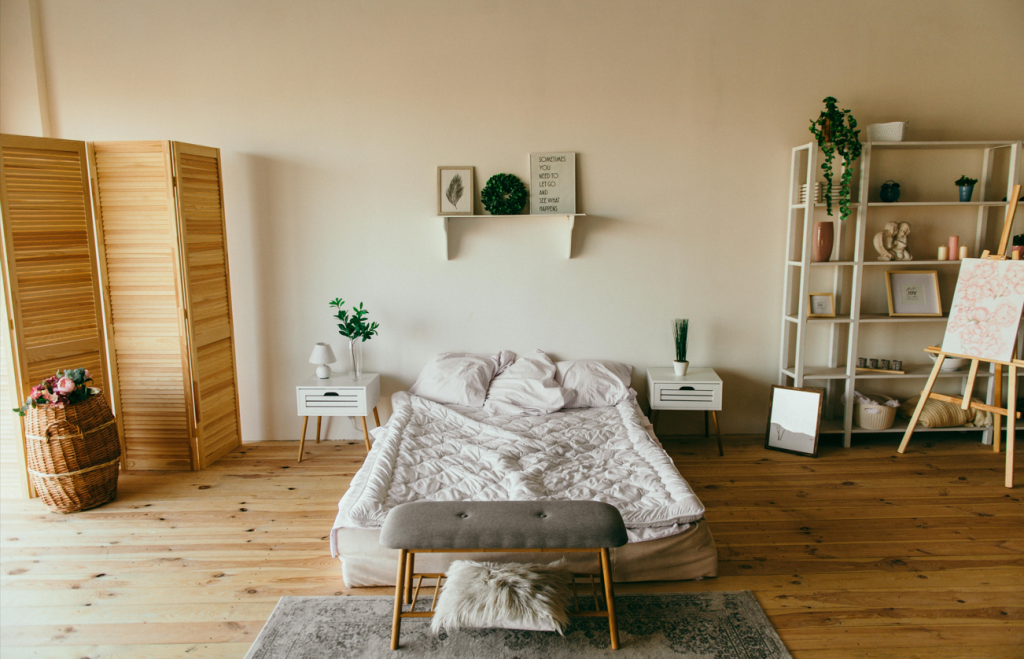
Designate specific areas in your space for different activities that align with your personal growth goals. Whether it’s a cozy reading nook, a meditation corner, or a home office for pursuing your passion projects, having designated spaces for different activities can help you stay focused and motivated. Personalize these zones with items that inspire you, such as motivational quotes, artwork, or plants that bring a sense of calm and positivity to the space. In addition to personalizing these spaces, incorporating elements of nature can further enhance your inspiring zones.

Natural light, for instance, not only improves mood but also increases productivity and creativity. If possible, position your dedicated spaces near windows or in well-lit areas. Adding indoor plants to these areas can also boost air quality while providing a tranquil and refreshing ambiance. For a more dynamic and versatile space, consider using movable dividers or curtains. These can help in delineating your zones without committing to a permanent layout, allowing you the flexibility to adapt your space as your personal growth journey evolves.

Incorporate Natural Elements

Bringing the outdoors in can have a profound impact on your mental and emotional well-being. Consider adding plants, natural light, and earthy tones to your space to create a soothing and grounding environment. Plants not only improve air quality but also have been shown to reduce stress and improve concentration. Open up your curtains during the day to let in natural light, or invest in a light therapy lamp to mimic the benefits of sunlight on cloudy days. Integrate water elements into your space to foster a tranquil and healing environment conducive to personal growth.

A small desktop fountain or an aquarium can introduce the calming sound of moving water, creating a serene atmosphere that enhances focus and mindfulness. Furthermore, selecting furnishings or decor made from natural materials like wood, stone, or bamboo can add texture and warmth to your surroundings, further rooting your space in the calming beauty of nature. These elements, when thoughtfully incorporated, work harmoniously to not only beautify your environment but also to support your mental and emotional well-being, making it a fertile ground for personal development and growth.

(image: free image)

Clear the Clutter

One of the most important steps in transforming your space for personal growth is decluttering. Clutter can create chaos and overwhelm, making it difficult to focus and be productive. Start by going through your belongings and getting rid of anything that no longer serves you or brings you joy. Consider donating items you no longer need or use, and organize the remaining items in a way that is visually appealing and functional. Investing in climate controlled storage can be a great option for storing seasonal items or sentimental belongings that you want to keep but don’t need on a daily basis.

After tackling the physical clutter, addressing digital clutter is equally critical in creating a space conducive to personal growth. Digital clutter, including unorganized files on your computer, unused apps on your phone, and a cluttered email inbox, can be just as overwhelming as physical clutter. Set aside some time to organize your digital life by deleting unnecessary files, unsubscribing from unwanted emails, and organizing your digital documents into clearly labeled folders. A clean digital workspace can significantly boost your focus and productivity, making it easier for you to concentrate on your personal growth goals.

Cultivate a Mindful Routine

Establishing a mindful routine in your daily life can help you stay grounded and present, even amidst the chaos of daily life. Create a morning and evening ritual that includes activities like meditation, journaling, yoga, or reading that nourish your mind, body, and soul. By dedicating time each day to self-care and reflection, you can cultivate a sense of inner peace and clarity that will support your personal growth journey. Your physical environment can play a crucial role in facilitating these routines, so make sure to curate your space with intention and purpose.

Embrace Minimalism

Simplifying your space and your life can have a transformative effect on your mental and emotional well-being. Embrace the principles of minimalism by focusing on quality over quantity, decluttering regularly, and being mindful of your consumption habits. By simplifying your surroundings, you can reduce distractions, increase your focus and productivity, and create a sense of calm and harmony in your space. Additionally, minimalism can cultivate a sense of gratitude and contentment, leading to greater self-awareness and personal growth.

Transforming your space for personal growth is a powerful way to create a supportive environment that nurtures your goals and aspirations. By decluttering, creating inspiring zones, incorporating natural elements, cultivating a mindful routine, and embracing minimalism, you can foster a sense of peace, balance, and inspiration in your space. Remember that personal growth is a journey, and your environment plays a crucial role in supporting your growth and self-improvement efforts. By taking intentional steps to create a space that aligns with your values and aspirations, you can create a sanctuary that empowers you to be your best self!

Addy Reeds is a freelance writer.

We are 7! On Be Ur Own Light’s 7th Blog Anniversary by Eleanor

On the 1st March 2016, I started this blog as a way to provide therapy for myself- as I was going through panic attacks, (caused by trauma). Can you believe that was 7 years ago?! I can’t! Since then I have had several years of therapy and my life changed so much too for the better- I met my husband, we got married and moved to our first home.

The blog has turned into a book Bring me to Light (with Trigger), writing for Metro.co.uk, Glamour, the Telegraph, Happiful, Rethink Mental Illness, Mind and other incredible organisations, I have partnered with large and small brands, charities, businesses, writers to create content that battles stigma on mental health. We have been awarded as a Top 10 UK blog by Vuelio since 2018 (thank you) and I love to share my story to help others and educate people about bipolar, anxiety, panic disorders, psychosis, mania and mental health in the workplace (amongst other mental health topics!). I have also recorded podcasts and have begun speaking in the community about bipolar with my Dad.

I cannot believe it has been 7 years since I opened up my computer to write- I was struggling. a lot. Writing has been such a therapy and a saviour to me.. and I hope this blog helps you too!

As always, I want to thank all my contributors and brands (sponsored or not), as well as the digital agencies and freelance writers who provide content too.

This year March 22- 23 we have featured (where it says my name, I wrote it!)

How to Stay Motivated When You’re Feeling Lost: Tracie Johnson

Change the Story Campaign- Eating Disorder Stereotypes- Hope Virgo

Performance of She Used To Be Mine (Sara Bareilles) by Nicolina Bozzo- Eleanor

5 Tips on How To Talk To Your Boss About Mental Health- freelance writer

Does Retail Therapy help your mental health?– freelance writer

9 Tips On Prioritising Your Mental Health while raising children- freelance writer

How to Keep a Good Mindset with Physical Therapy – Sierra Powell

Bipolar and Perinatal mental health- Eleanor

4 Types of Alcohol Addiction Services You can Turn To for Help- Rachelle Wilber

How to Transform Social Anxiety – Lewis McDonnell at Phobia Support Forum

What It’s Like To Go Through Severe Depression as a Bipolar Episode- Eleanor

What To Do When You Feel Alone- Eleanor

4 Reasons to Cook For Yourself- freelance writer

Learning to Embrace Schizoaffective Disorder -Mental Health Awareness Week- James Lindsay

Promoting wellbeing, good mental health and reducing stress in the elderly- freelance writer

Top 10 UK Mental Health Blog Award from Vuelio- Eleanor

Mental health, low self esteem, body image and fashion- freelance writer

What It Means To Have an NHS Perinatal Psychiatry Meeting- Eleanor

Unbroken- How Madeleine Black learnt to heal after sexual violence- Eleanor

What Tools Go Into Substance Abuse Treatment- Kara Masterson

Living with Anxiety- Promoting Mental Health and Success In the Workplace- Erin Hallett

How to know if you have an eating disorder and what to do next- Rachelle Wilber

How can I help an alcoholic or addict parent?- Chaye McIntosh

Boost Your Confidence- freelance writer

Taking Lithium for Bipolar Disorder- Side Effects – Eleanor

4 Effective Ways to Boost Your Mood- freelance writer

Knowing when its right to seek substance abuse treatment- Rachelle Wilber

Protecting mental health, a guide- The Mental Health Foundation

Letting go of hurtful memories to be happier- freelance writer

Group therapy and healing- Lizzie Weakley

Mental health medication and heatwave side effects- Eleanor

How to Create Healthy Daily habits- Sierra Powell

3 Journalling Techniques for Improved Mental Health- freelance writer

Looking after elderly parents- freelance writer

Thank you to a mental health nurse for sharing my book – Eleanor

Interview on Living with Bipolar with Best For You NHS- Eleanor

5 Tips for Communicating with Someone with Dementia- freelance writer

7 Tips to Help Your Personality Shine Through- freelance writer

Sleep Expert on how to stay cool on hot nights- freelance writer

Book Review of my book Bring me to Light by Deb Wilk- Eleanor

4 kinds of Therapy to consider- Rachelle Wilber

Coping with Borderline Personality Disorder and Obsessive Compulsive Disorder- Dr Joann Mundin

Are work places doing enough for mental health post-covid? – freelance writer

Mental Health at Work: First Aid products- writer

The Anxiety Train- a New Year- Eleanor

PTSD therapies and what is right for you- Kara Masterson

Managing mental health when you start college/university- freelance writer

Helping elderly relatives take care of themselves- freelance writer

How to Stay Emotionally Healthy during a Divorce- Lizzie Weakley

4 Ways EMDR Therapy can help you cope with Anxiety- Rachelle Wilber

Stuck in a Rut? Try These 4 Things- Dixie Somers

Non Traditional Therapeutic Activities to Try for Anxiety- Brooke Chaplan

Dealing with Dental Anxiety- Lizzie Weakley

Overcoming Seasonal Mood Changes- Brian Thomas

3 Years of my book Bring me to Light- Eleanor

5 Unbeatable ways to unwind- Dixie Somers

Speed Up Bipolar diagnosis to save lives- Bipolar UK- Eleanor

Losing a loved one- coping with anxiety- Hannah Walters

4 Ways to Treat an eating disorder- Lizzie Weakley

Bipolar UK commission announcement on government funding – Eleanor

How Living by the waterfront improves health- Rachelle Wilber

What football has taught me about life and mental health- Rose Atkinson-Carter

Anxiety and climbing, not carrying mountains- Eleanor

How Car accidents affect mental health- Stubbs Law Firm

How can EMDR therapy help you?- Brooke Chaplan

Tips for planning a sensory friendly wedding- Clay Reese

How to manage emotional eating- Lizzie Weakley

Methods for helping addiction recovery- Kara Masterson

How to tell if a loved one needs psychiatric help- Brooke Chaplan

What to do if you have an eating disorder- Brooke Chaplan

Navigating a divorce and preserving your mental wellbeing- Dixie Somers

January anxiety and burn out, how to avoid- Dr Catherine Carney at Delamere

How to cope with ADHD- freelance writer

My talk at the mental health awareness shabbat on bipolar- Eleanor

Tips to help seasonal depression- Obehi Iyobhebhe

How to help support your friends journey to sobriety- Anita Ginsburg

Why self care is so important- Brooke Chaplan

Coping with big life changes- Meghan Belnap

Befriending my brain, a new book on psychosis and recovery by James Lindsay- Eleanor

Thank you all for contributing and I am raising a glass to 7 years of this blog!!

Love and gratitude,

Eleanor x

Moving Forward Into 2023. Happy New Year!

(image: girlwithdreams)

Tonight I was sat with Rob and our friends at their home, enjoying a dinner together. We ate good food and just loved being together. We then watched the beautiful fireworks on TV as Big Ben (the clock) tolled in midnight.

And as I watched the colours take off and swirl in the night sky over London, wishing our friends happy new year and looking at Rob, I thought about the year that has been.

At the end of 2021, I created a vision board for this year and what I wanted to manifest. Amazingly, a lot of it has and I am hugely grateful for so much that this year has brought (some parts though weren’t so good, and thats absolutely ok.. we are human and life isn’t always perfect).

There are some dreams that I hope will come true for 2023. Good health and happiness of course for us, family, friends and everyone at the top of the list.

2022 was a year of many ups and some downs. For now, I would like to keep my resolutions and hopes to myself until I feel ready to share them but want to wish you all a happy, healthy new year. May it bring only blessings and may all our hopes and wishes manifest for the good.

Thank you for reading and supporting this blog in 2022 and always! In March, it will be 7 years since I started blogging!

Heres to 2023!

Love,

Eleanor x

Top 10 UK Mental Health Blog 2022 from Vuelio- Thank you!

(image: Vuelio)

I am absolutely delighted to announce that we have been listed for the 4th year running (!) in the Vuelio Top 10 UK Mental Health Blog list! This means so much to me as Vuelio rank influential blogs by data and this year we are in 6th place amongst some truly amazing blogs, including my friend Cara Lisette’s!

Thank you so much to Vuelio for the support as always. I hope I can continue to blog and produce content that tackles the stigma around mental health and bipolar disorder in particular. My aim is to share others stories and to help others feel less alone.

See the full list here: https://www.vuelio.com/uk/social-media-index/mental-health-blogs-uk-top-10/