Breaking Free: Addiction’s Grip And The Road To Recovery by Miranda Spears.

(image: Markus Spiske, Unsplash)

Addictions are pervasive and challenging conditions, which often dictate thoughts, behaviours, and lifestyles. The journey from the clutches of addiction to the road of recovery is a complex process that requires a combination of medical, psychological, and social interventions. This exploration delves into the intricate dynamics of addiction, examining the factors that contribute to its grip and illuminating the multifaceted road to recovery. By understanding the complexities involved, we can better appreciate the resilience required to break free from addiction’s hold and the comprehensive strategies essential for successful recovery.

1. The Tenacity of Addiction

Addiction’s grip on individuals is marked by its tenacity, rooted in the rewiring of the brain’s reward circuitry. Substance use or compulsive behaviours trigger the release of neurotransmitters, creating a cycle of pleasure and reinforcement that the brain craves. Over time, this leads to neuroadaptation, where the brain becomes increasingly tolerant to the substance or activity, necessitating higher doses or more frequent engagement to achieve the same level of satisfaction. The result is a profound physiological and psychological dependence, creating a formidable barrier to breaking free from addiction, but it can be done.

2. The Impact on Mental Health

The relationship between addiction and mental health is intricate, with each often exacerbating the other. Individuals struggling with addiction can turn to substances or behaviors as a coping mechanism for underlying mental health issues such as anxiety, depression, or trauma. Conversely, the neurochemical imbalances induced by substance use can contribute to the development or worsening of mental health conditions. Untangling this complex interplay is crucial for effective treatment.

Addressing both addiction and co-occurring mental health disorders simultaneously is essential for comprehensive care, offering individuals a holistic approach to breaking free from the entwined challenges they face.

3. Detoxification and the Initial Steps:

Embarking on the journey to recovery from addiction often begins with detoxification, a crucial initial step in the process. Acknowledging the need for professional assistance is pivotal, especially when seeking recovery from substance abuse. If you’re seeking help with alcohol addiction, for instance, a quick online search using keywords such as ‘alcohol rehab in Austin’ or your country and region can lead you to specialised facilities.

In rehab centres, individuals undergo supervised detox, where medical professionals monitor and manage withdrawal symptoms, ensuring a safe and supportive environment. Beyond addressing physical dependence, alcohol rehab can integrate comprehensive treatment plans that encompass counselling, therapy, and holistic approaches to address the psychological and emotional aspects of addiction. Choosing the right rehab centre sets the foundation for a transformative recovery journey, offering personalised care to guide individuals toward a healthier and more fulfilling life.

4. Building a Supportive Network:

The road to recovery is not a solitary journey; building a supportive network is instrumental in breaking the isolation that often accompanies addiction. Support can come from various sources, including family, friends, and fellow individuals in recovery.

Twelve-step programmes, group therapy, and counselling provide avenues for individuals to share their experiences, gain insights, and receive encouragement. The power of community support lies in its ability to offer understanding, empathy, and shared strength. Establishing and maintaining these connections is crucial for navigating the challenges of recovery, fostering a sense of belonging, and reinforcing the commitment to breaking free from addiction.

5. Embracing Long-Term Recovery:

Breaking free from addiction is not a one-time event but a lifelong process that requires ongoing commitment and effort. Embracing long-term recovery involves adopting a holistic approach that addresses the physical, mental, and social aspects of an individual’s life. Continued therapy, participation in support groups, and the cultivation of healthy habits contribute to sustained recovery. Individuals are encouraged to identify and manage triggers, develop coping mechanisms, and make positive lifestyle changes that align with their newfound commitment to well-being. By embracing a comprehensive and evolving approach to recovery, individuals can navigate the complexities of life beyond addiction, gradually diminishing its grip and building a foundation for lasting freedom.

Breaking free from addiction is a challenging yet transformative journey marked by resilience, self-discovery, and continuous effort. The tenacity of addiction, rooted in the brain’s reward system, necessitates comprehensive strategies that address both the physiological and psychological aspects of dependence.

The interplay between addiction and mental health underscores the importance of integrated care. By understanding the complexities of addiction’s grip and the multifaceted road to recovery, individuals can embark on a transformative journey toward breaking free and reclaiming their lives.

This article was written by author Miranda Spears.

Road to Recovery: 5 Ways To Combat Addiction by Lauren Perry.

(image: free image)

Addiction is a multifaceted problem that can impact individuals from all walks of life, irrespective of their age, gender, or background. Whether it’s substance abuse, alcohol addiction, or behavioural disorders, seeking help is the first step to recovery. In this article, we will explore five ways to combat addiction and pave the way to a healthier, addiction-free life. Whether you’re personally grappling with addiction or you’re supporting someone on their path to recovery, these insights will provide valuable guidance for understanding and combating addiction effectively.

Seek Professional Help

The journey to recovery from addiction frequently commences with the essential step of seeking professional help. Therapists, counsellors, and healthcare providers play pivotal roles in guiding individuals toward a healthier, addiction-free life. For those dealing with co-occurring mental health and substance abuse disorders, specialised treatment centers, known as dual-diagnosis treatment centers, offer a higher level of care and a tailored approach to recovery. These centers are equipped to assess and address the root causes of addiction, including the often complex interplay of underlying mental health issues.

Build a Support System

In the journey of addiction recovery, building a robust support system is an invaluable asset. Building a support system involves connecting with loved ones and friends or engaging in support communities, like Alcoholics Anonymous (AA) or Narcotics Anonymous (NA). The path to recovery is undeniably challenging, and having a network of individuals who understand and care can make a significant difference.

Sharing experiences and challenges with others who have faced similar struggles can provide a unique bond and a sense of belonging, reducing feelings of isolation and alienation that often accompany addiction. This shared journey toward recovery cultivates a sense of hope and resilience, proving to individuals that they are not alone in their pursuit of a healthier, addiction-free life.

Cognitive-behavioral therapy (CBT)

Behavioral therapy (CBT) is a known and highly effective method used in addiction treatment. CBT zeroes in on identifying and transforming negative thought patterns and behaviors intricately linked to addiction. Through collaboration with a therapist, people gain the ability to explore the seated origins of their addiction, which are frequently connected to past events or instances of trauma.

This profound self-reflection is a crucial initial step toward recovery. CBT equips individuals with the tools to challenge and modify self-destructive habits and beliefs, empowering them to break free from the cycle of addiction and pursue a life of lasting sobriety. CBT is not merely a therapeutic intervention; it’s a transformative journey that enables individuals to regain control over their lives, nurturing emotional resilience and self-awareness as they navigate the path to recovery.

Medication-Assisted Treatment (MAT)

Medication-assisted therapy (MAT) contributes to aiding individuals in their quest to conquer addiction. This comprehensive strategy combines counselling and behavioural therapies with specific medications designed to reduce cravings and alleviate withdrawal symptoms. Substances like methadone, buprenorphine, and naltrexone can be prescribed as part of MAT, tailored to an individual’s unique needs. MAT is a significant aid in addressing the physical aspects of addiction, facilitating a more comfortable and effective journey toward recovery. By helping to manage the intense cravings and symptoms of withdrawal, MAT can make the process more manageable and increase the chances of successful, long-term recovery.

Lifestyle Changes and Self-Care

In the pursuit of addiction recovery, the role of lifestyle changes and self-care cannot be overstated. A healthy lifestyle is a cornerstone for maintaining lasting recovery. Incorporating regular physical activity, adopting a balanced diet, and ensuring adequate sleep are fundamental steps in restoring both physical and emotional well-being. These changes not only promote physical health but also contribute to emotional stability, fostering a more robust foundation for recovery. Additionally, self-care practices such as mindfulness meditation, yoga, and stress management techniques play an instrumental role in reducing the risk of relapse.

By nurturing mental and emotional resilience, individuals can better cope with the challenges they may encounter on their journey toward a healthier, addiction-free life. These practices instill the necessary tools to manage stress, anxiety, and other emotional triggers, ultimately enhancing an individual’s ability to make healthy choices and maintain a life free from addiction.

Conclusion

Overcoming addiction is a demanding yet crucial path for individuals battling it and their families. Seeking professional help, building a support system, engaging in therapies like CBT, considering medication-assisted treatment, and adopting a healthy lifestyle can significantly improve the chances of recovery. It’s important to remember that addiction is a treatable condition, and with the right strategies and support, a fulfilling, addiction-free life is achievable.

This article was written by Lauren Perry.

We are 7! On Be Ur Own Light’s 7th Blog Anniversary by Eleanor

On the 1st March 2016, I started this blog as a way to provide therapy for myself- as I was going through panic attacks, (caused by trauma). Can you believe that was 7 years ago?! I can’t! Since then I have had several years of therapy and my life changed so much too for the better- I met my husband, we got married and moved to our first home.

The blog has turned into a book Bring me to Light (with Trigger), writing for Metro.co.uk, Glamour, the Telegraph, Happiful, Rethink Mental Illness, Mind and other incredible organisations, I have partnered with large and small brands, charities, businesses, writers to create content that battles stigma on mental health. We have been awarded as a Top 10 UK blog by Vuelio since 2018 (thank you) and I love to share my story to help others and educate people about bipolar, anxiety, panic disorders, psychosis, mania and mental health in the workplace (amongst other mental health topics!). I have also recorded podcasts and have begun speaking in the community about bipolar with my Dad.

I cannot believe it has been 7 years since I opened up my computer to write- I was struggling. a lot. Writing has been such a therapy and a saviour to me.. and I hope this blog helps you too!

As always, I want to thank all my contributors and brands (sponsored or not), as well as the digital agencies and freelance writers who provide content too.

This year March 22- 23 we have featured (where it says my name, I wrote it!)

How to Stay Motivated When You’re Feeling Lost: Tracie Johnson

Change the Story Campaign- Eating Disorder Stereotypes- Hope Virgo

Performance of She Used To Be Mine (Sara Bareilles) by Nicolina Bozzo- Eleanor

5 Tips on How To Talk To Your Boss About Mental Health- freelance writer

Does Retail Therapy help your mental health?– freelance writer

9 Tips On Prioritising Your Mental Health while raising children- freelance writer

How to Keep a Good Mindset with Physical Therapy – Sierra Powell

Bipolar and Perinatal mental health- Eleanor

4 Types of Alcohol Addiction Services You can Turn To for Help- Rachelle Wilber

How to Transform Social Anxiety – Lewis McDonnell at Phobia Support Forum

What It’s Like To Go Through Severe Depression as a Bipolar Episode- Eleanor

What To Do When You Feel Alone- Eleanor

4 Reasons to Cook For Yourself- freelance writer

Learning to Embrace Schizoaffective Disorder -Mental Health Awareness Week- James Lindsay

Promoting wellbeing, good mental health and reducing stress in the elderly- freelance writer

Top 10 UK Mental Health Blog Award from Vuelio- Eleanor

Mental health, low self esteem, body image and fashion- freelance writer

What It Means To Have an NHS Perinatal Psychiatry Meeting- Eleanor

Unbroken- How Madeleine Black learnt to heal after sexual violence- Eleanor

What Tools Go Into Substance Abuse Treatment- Kara Masterson

Living with Anxiety- Promoting Mental Health and Success In the Workplace- Erin Hallett

How to know if you have an eating disorder and what to do next- Rachelle Wilber

How can I help an alcoholic or addict parent?- Chaye McIntosh

Boost Your Confidence- freelance writer

Taking Lithium for Bipolar Disorder- Side Effects – Eleanor

4 Effective Ways to Boost Your Mood- freelance writer

Knowing when its right to seek substance abuse treatment- Rachelle Wilber

Protecting mental health, a guide- The Mental Health Foundation

Letting go of hurtful memories to be happier- freelance writer

Group therapy and healing- Lizzie Weakley

Mental health medication and heatwave side effects- Eleanor

How to Create Healthy Daily habits- Sierra Powell

3 Journalling Techniques for Improved Mental Health- freelance writer

Looking after elderly parents- freelance writer

Thank you to a mental health nurse for sharing my book – Eleanor

Interview on Living with Bipolar with Best For You NHS- Eleanor

5 Tips for Communicating with Someone with Dementia- freelance writer

7 Tips to Help Your Personality Shine Through- freelance writer

Sleep Expert on how to stay cool on hot nights- freelance writer

Book Review of my book Bring me to Light by Deb Wilk- Eleanor

4 kinds of Therapy to consider- Rachelle Wilber

Coping with Borderline Personality Disorder and Obsessive Compulsive Disorder- Dr Joann Mundin

Are work places doing enough for mental health post-covid? – freelance writer

Mental Health at Work: First Aid products- writer

The Anxiety Train- a New Year- Eleanor

PTSD therapies and what is right for you- Kara Masterson

Managing mental health when you start college/university- freelance writer

Helping elderly relatives take care of themselves- freelance writer

How to Stay Emotionally Healthy during a Divorce- Lizzie Weakley

4 Ways EMDR Therapy can help you cope with Anxiety- Rachelle Wilber

Stuck in a Rut? Try These 4 Things- Dixie Somers

Non Traditional Therapeutic Activities to Try for Anxiety- Brooke Chaplan

Dealing with Dental Anxiety- Lizzie Weakley

Overcoming Seasonal Mood Changes- Brian Thomas

3 Years of my book Bring me to Light- Eleanor

5 Unbeatable ways to unwind- Dixie Somers

Speed Up Bipolar diagnosis to save lives- Bipolar UK- Eleanor

Losing a loved one- coping with anxiety- Hannah Walters

4 Ways to Treat an eating disorder- Lizzie Weakley

Bipolar UK commission announcement on government funding – Eleanor

How Living by the waterfront improves health- Rachelle Wilber

What football has taught me about life and mental health- Rose Atkinson-Carter

Anxiety and climbing, not carrying mountains- Eleanor

How Car accidents affect mental health- Stubbs Law Firm

How can EMDR therapy help you?- Brooke Chaplan

Tips for planning a sensory friendly wedding- Clay Reese

How to manage emotional eating- Lizzie Weakley

Methods for helping addiction recovery- Kara Masterson

How to tell if a loved one needs psychiatric help- Brooke Chaplan

What to do if you have an eating disorder- Brooke Chaplan

Navigating a divorce and preserving your mental wellbeing- Dixie Somers

January anxiety and burn out, how to avoid- Dr Catherine Carney at Delamere

How to cope with ADHD- freelance writer

My talk at the mental health awareness shabbat on bipolar- Eleanor

Tips to help seasonal depression- Obehi Iyobhebhe

How to help support your friends journey to sobriety- Anita Ginsburg

Why self care is so important- Brooke Chaplan

Coping with big life changes- Meghan Belnap

Befriending my brain, a new book on psychosis and recovery by James Lindsay- Eleanor

Thank you all for contributing and I am raising a glass to 7 years of this blog!!

Love and gratitude,

Eleanor x

How To Tell If You Or A Loved One Needs Psychiatric Help by Brooke Chaplan.

(image: free image)

Mental illness can affect anyone, regardless of age, gender, or background. It is important to recognise the signs and symptoms of mental illness in order to get help as soon as possible. Knowing what to look for can be tricky, so here are some common warning signs that you or a loved one may need psychiatric help.  

Unexplained Changes in Mood and Behaviour  

One of the most common signs of mental illness is a sudden and unexplained change in mood or behaviour. This could include changes in sleep patterns, eating habits, energy levels, attitude towards others, or motivation levels. If you notice any sudden shifts in these areas that last more than two weeks and cannot be attributed to a specific event or life change, it may indicate an underlying mental health issue.  

Negative Self-Talk or Rumination  

Another sign that someone needs professional help is if they frequently engage in negative self-talk or ruminate on the same thoughts over and over again. For example, if they often say things like “I’m not good enough” or “I can’t do anything right” without any basis for those statements, this could be a sign that something more serious is going on beneath the surface. Additionally, if someone spends hours every day thinking about their mistakes from the past without being able to move forward—this could also be an indication that professional help is necessary.  

Isolation from Friends and Family  

Finally, if someone begins isolating themselves from friends and family members more often than usual—or does not seem interested in having conversations with them—this could be another indicator that something more serious is happening mentally. It’s normal for people to want some alone time once in a while—but if you notice your loved one consistently avoiding social activities and interactions with others over long periods of time—it may mean they need extra emotional support from a professional psychiatrist before they can get back on track.   

Other Behaviours

Other behaviours you should watch out for is frequent tearfulness, self harm thoughts or ideas, suicidal thoughts and ideation- as this indicates someone is reaching a crisis point with their mental health. In some there may be an increase in activity or mania. This can lead to psychosis- where your mind loses touch with reality, common in bipolar disorder and schizophrenia (but can also happen outside these conditions).

Mental health issues are complex and often difficult to recognise at first glance. However, it’s important to understand that early intervention can make all the difference when it comes to managing mental illness effectively. If you notice any of these warning signs in yourself or a loved one—don’t hesitate to reach out for help!

Professional psychiatric services should always be sought out when necessary as this will create better outcomes for everyone involved in the long run. In the UK, that may be via the NHS but due to overwhelmed services, if you can afford private treatment, go down this route as it will be quicker!

This article was. written by Brooke Chaplan, freelance writer.

Methods for Helping Your Addiction Recovery by Kara Masterson.

(image: free image)

Addiction recovery is a challenging process, but there are certain methods that can make the experience a bit easier to handle. These methods can range from creating a support network to seeking out counselling services that can help you navigate the recovery process and help hold you accountable. As a result, following these tips can help make addiction recovery smoother and more successful.

Create a Support Network

Creating a strong support system of family members, friends, and certified professionals who understand the challenges of addiction recovery is essential to your success. Your support network should be made up of those who have your best interests at heart and will provide you with unconditional love and encouragement as you navigate through this difficult time. This type of positive reinforcement will help keep you motivated and on track during your journey toward sobriety.

Seek Out Counselling Services

Professional recovery programs and counselling services may offer a variety of methods and coping mechanisms to help you in the recovery process; such as individualised therapy sessions, group therapy, family counselling, and recovery coaching. These services provide an important opportunity to explore past experiences and underlying issues that have caused or contributed to your past substance abuse, as well as new ways to cope with the underlying triggers and a better understanding of yourself and the things you may be dealing with.

With the guidance of a trained mental health therapist or addiction specialist, addiction recovery patients can develop effective strategies for managing and overcoming their triggers, cravings, and other difficult emotions without relapsing back into old habits. Thus, seeking out counselling services from experienced professionals is an invaluable asset to recovery success.

Practice Self-Care

Lastly, another important tip for making addiction recovery smoother is to practice self-care. This means taking care of yourself physically by eating healthy meals, exercising regularly, and getting enough sleep each night. It also means taking care of yourself mentally by setting aside time each day for relaxation activities such as yoga or meditation. Additionally, it’s important to focus on positive thinking and avoiding negative self-talk which can be detrimental during this delicate time in your life.

Making addiction recovery smoother requires dedication and effort from both yourself and those around you who are supporting you on this journey toward long-term sobriety. By creating a strong support network, seeking out professional counselling services, and practicing self-care daily, you can set yourself up for success in overcoming your addiction issues once and for all. With these tips in mind, you’ll be better equipped to make addiction recovery easier than ever before!

Kara Masterson is a freelance writer.

How You Can Help A Loved One Stay Sober: Addiction Recovery.

(image: Markus Spiske, Unsplash)

If you have a loved one who is struggling with addiction, you may be wondering how you can help them stay sober. It can be a challenging process, but there are many things that you can do to support your loved one. Here are some tips that you can use to help a loved one stay sober.

1. Be Understanding And Supportive

One of the most important things you can do is be understanding and supportive. Addiction can be a very isolating experience, and your loved one may feel disconnected from family and friends. Show them that you care and are there for them, even if they don’t always show it in return. Offer words of encouragement when needed and provide a listening ear and understanding.

2. Help Establish Healthy Routines

Creating healthy routines and habits can help keep an individual on track with their sobriety. Make sure that your loved one is getting enough sleep, eating healthy meals, and engaging in activities that will help them stay sober. This could include going for walks or hikes, joining a gym or sports team, or finding other activities to occupy their time, such as volunteering or taking classes.

3. Set Boundaries And Respect Your Loved One’s Choices

It’s important to remember that the choice to stay sober ultimately lies with your loved one. Though you can provide support and guidance, it shouldn’t be done in a way that makes them feel pressured into making decisions they don’t agree with. Respect their autonomy and wishes while still providing advice if asked.

4. Create An Action Plan Together

Sobriety is often a process; it can take time for someone to achieve their goals. Have an honest conversation with your loved one about their progress, any issues, and how you can help. Then, you can create an action plan together where both of you set realistic goals and provide support when needed.

5. Consider A Sober Living Program

If your loved one is struggling with relapse, consider enrolling them in a sober living program from rdsoberliving.com (if in USA, for UK see other programs). These programs provide structure and accountability to help someone stay on track with their recovery goals. They also provide support from peers and mentors who have been through similar experiences.

6. Reach Out To A Professional

Don’t be afraid to reach out for help if you need it. Consider talking to a professional who is experienced in addiction recovery, or get your loved one connected with a therapist. They can provide additional guidance and support that may be helpful in maintaining sobriety.

7. Take Care Of Yourself

It’s also important to remember to take care of yourself as well. It can be challenging to help someone who is struggling with addiction, and it can take a toll both physically and emotionally. So make sure that you are getting enough rest, engaging in activities that bring you joy, and reaching out for support when needed.

Helping a loved one stay sober can be difficult. However, there are many ways that you can provide support and guidance to help them succeed. Be understanding and supportive, set boundaries, create an action plan together and consider professional help or a sober living program if needed. Also, remember to take care of yourself throughout the process.

This article was written by a freelance writer.

Our Blog is 6 Years Old Today!

On the 1st March 2016, I started this blog as a way to provide therapy for myself- as I was going through panic attacks, (caused by trauma due to a hospitalisation for a bipolar manic episode). Since then I have had several years of EMDR trauma therapy and my life changed so much too- I met my husband, we got married and moved to our first home. I also found a career I love after many twists and turns due to mental illness. Life is never plain sailing especially with mental health and I still live with panic attacks/ social anxiety at times but am learning to manage them.

The blog has turned into a book Bring me to Light (with Trigger), writing for Metro.co.uk, Glamour, the Telegraph, Happiful, Rethink Mental Illness, Mind and other incredible organisations, I have partnered with large and small brands, charities, businesses, writers to create content that battles stigma on mental health. We have been awarded as a Top 10 UK blog by Vuelio since 2018 (thank you) and I love to share my story to help others and educate people about bipolar, anxiety, panic disorders, psychosis, mania and mental health in the workplace (amongst other mental health topics!). I have also recorded podcasts – most recently with Dr Rosena Allin Khan MP, shadow minister for mental health, Daniel Rosenberg at SodsPod and was also interviewed by Penny Power OBE with my Dad Mike (who is a mental health speaker).

When I started this blog I had no idea where it would lead and its been the most special, humbling and amazing journey- with so much more to do so watch this space!. I really want to help more people this year and also have a childrens book I would love to get out there to help kids with anxiety.

As always, I want to thank all my contributors and brands (sponsored or not), as well as the digital agencies and freelance writers who provide content too. I hope to keep it going for the next year at least! Let me know what you want to see.

This year heres what we have been talking about (and big thank you to everyone. If it doesnt have a name by it, content has been written by a writer):


How social distancing is affecting social anxiety in the pandemic- Anita Ginsburg

Book Review of the Smart Girls Handbook by Scarlett Clark- me (Eleanor)

Being kind to myself, social anxiety and life in recovery- me (Eleanor)

Self care ideas for positive change in 2021

How to cope with top 4 challenging life events

The Book of Hope launchme

Sending self care packages- a guide to sending gifts

Feel less trapped with these powerful ideas

6 Tips to stay positive and help mental health

Moving to our First Home and mental health- me

How to reach for help and not be ashamed

Whats the connection between mental health and addiction- Jennifer at Mandala Healing

We are a top UK mental health blog 2021- thanks Vuelio- Me

Can you still get health insurance cover if you have a history of mental illness?

The benefits of seeking mental health support and help

The link between debt and mental health

Start Up founders are 50% more likely to suffer from a mental health condition- Daniel Tannenbaum

How can mental health workers cope with the new normal?

Easing the burden of divorce- Brooke Chaplan

Stress and Panic Attacks Part two- Me

How to remain independent and look after your health as you get older

How selfie changed my life and mental health- Kathryn Chapman

The benefits of personal training for your mental health- Life Force Fitness

Recovery from alcohol or substance abuse: benefits of a sober living home

6 Ways Fathers can Assist New Mothers- Jess Levine

Work in progress- healing from trauma to find the light- me

Is stress affecting your skin? heres how to tell

Prioritising mental health on the world stage, Simone biles- me

Why privacy is critical for our mental health

Goal setting for mental health

Moving house? 5 tips to deal with moving stress

4 Ways to make mental health a priority in your life- Emma Sturgis

What you need to know about post Partum Depression- Kara Reynolds

The Midnight Library book review- me

5 interior design ideas to boost wellbeing

Steps to help aging and wellbeing

How to keep your children in mind during a divorce-Brooke Chaplan

Bryony Gordons mental health card collection for Thortful.com

The Inquisitive-a film on mental health and suicide- Kelvin Richards

Being self compassionate when I have anxiety- me

Keeping things stress free when selling an elderly family members home

7 Bipolar disorder facts everyone should know- Ronnie Deno

Recovering from an eating disorder- Kara Masterson

Wellbeing tips and activities for children- collaboration with Twinkl resources

Building trust in a relationship

How sleep patterns affect your mental health

Choosing life and freedom- my therapy journey- me

Dealing with imposter syndrome

Confidence on return to the office

lifestyles and mental health- Anna Witcherley at Head Hacks

Stress and mild anxiety formula- Nu mind wellness

Mental health problems in the pandemic- Webdoctor.ie

Patient transport helps anxious travellers- EMA Patient transport

How to stop signs of traumatic brain injury- Lizzie Weakley

Looking after mental health in a tense office environment

Dealing with anxiety as a mom/mum- Kara Reynolds

5 Self help books for 2022

Winter mental health and anxiety update- me

Tips to fight addiction- Lizzie Weakley

Lockdown, sleep, anxiety and mental health- collaboration with TEMPUR mattresses (ad)

Helping elderly people to live independently

Getting your loved one help for their addiction- Emma Sturgis

How to support your spouse with mental health issues- Kara Reynolds

Battling co occurring mental health and substance addiction- Holly

Festive season- me

Its Okay not to be Okay by Esther Marshall book review- me

The difference between a therapist and life coach- Lizzie Weakley

Managing mental health over christmas/ festive time- me

Reflecting on a new year 2022- me

Surviving trauma makes relationships difficult- self compassion helps- Taylor Blanchard

Window to the womb launches avocado app for perinatal wellbeing

Where to start when battling addiction- Rachelle Wilber

Mental health new year resolutions

Book review- Pushing through the cracks- Emily J Johnson- me

Depression meals when life gets hard- Kara Reynolds

Jami see mental health campaign blog

Recovering from cancer- the mental health aspect- Rachelle Wilber

Outdoor activities to improve your mental health- Elizabeth Howard

Mental health and eating disorder recovery journey- Emily J. Johnson

Fitness and mental health

Interview with Penny Power MBE, Thomas Power and Mike Segall on bipolar disorder

Self love for Valentines Day- with Kalms (ad)

Being debt free and in good mental health for 2022

Mental health medication- fighting the stigma- me

Overcoming alcohol addiction- Rachelle Wilber

Spiritual tips for helping mental health

Risk factors for post partum depression

Wow! Thank you for supporting me and the blog, for continuing to read and share it and to help battle the stigma around not only bipolar disorder and anxiety- but every mental illness.

Love,

Eleanor x

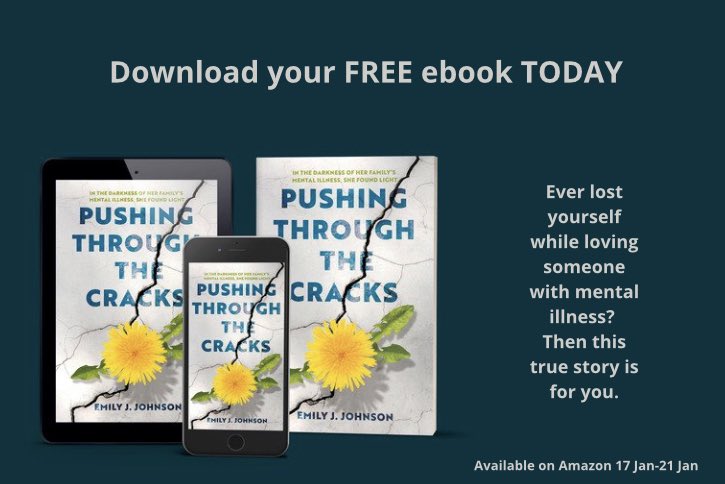
Book Review: ‘Pushing Through The Cracks: In the Darkness of Her Family’s Mental Illness She Found Light’- Emily J. Johnson by Eleanor

(image: Emily J Johnson)

Pushing Through The Cracks: In the Darkness of Her Family’s Mental Illness She Found Light by Emily J. Johnson is an incredible book. It is a story that I don’t believe has ever been written about before in such a way in the mental health space, I have certainly never come across it. Its a true memoir that occurred here in the UK during lockdown.

Emily wrote to me and kindly sent me a free copy of her book. I was hooked from the first page- this is a story of survival against the odds, of how mental illness can rip a family apart but how healing and hope are possible. Of strength through immense difficulty. Of light winning over darkness.

Four years ago, in the UK, Emily, a divorced mother of two, was living her best life with a new partner and blended family of six. But then addiction and mental illness entered her home uninvited, threatening to tear the whole family apart.

With an alcoholic husband and two teenage sons – one a depressed gambler and the other with chronic obsessive-compulsive disorder (OCD)– Emily is left to cope alone. And when the Covid pandemic hits, Emily, a ‘serial people-pleaser, enabler and born rescuer’, almost breaks too.

This true story delves into the darkest sides of mental illness and addiction with raw, often harrowing honesty. It shines a light on taboo subjects including self-harm, suicidal feelings, gambling, alcoholism, depression, severe OCD and eating disorders, all exacerbated by an unprecedented global pandemic and dwindling support services.

This is a story of remarkable strength, self-realisation and reclamation of a lost identity. This is a story of finding hope, pushing through the cracks in the darkness. It is also a story that touches on the difficulties of accessing UK NHS mental health services at times, especially CAMHS.

I found Emily’s strength through such severe adversity – dealing with a husband and two sons with severe mental illness, whilst carrying on with her own life when mental illness permeated every part, to be so inspiring. Her marriage falls apart, her children are unable to attend work and education, the family embarks on several different recovery journeys- navigating NHS mental health care and all its difficulties. Her sons addictions and acute OCD worsen and add to the pressures for Emily. How does she as a mother fix it all? She realises.. she can’t fix anyone and its not her job too.

The front cover features a dandelion pushing through the cracks of the ground. Emily describes the moment she hits rock bottom but then saw a dandelion poking through- which symbolised hope and light for her,

‘(image: Emily J. Johnson)

‘I pick up my phone and call a crisis support line…I desperately want someone to listen to me, to ease my pain, to hear my stories…(of mental illness at home)

I throw my phone across the path in frustration… something catches my eye, a beautiful yellow dandelion is growing through a crack in the concrete. Its golden yellow petals cut through the greyness of the broken path and it overshadows the filth and discarded cigarette butts around it. Despite its surroundings, it has found ways to push up through that crack, to have life. it is. not complaining or giving up, it’s surviving and it will go on to finish flowering. One day soon, the wind will carry its dainty seeds somewhere else to carry on the cycle of its life.

Just like that dandelion, I have pushed through adversity and survived. …I close my eyes and raise my face to the sunshine… Even in the midst of all this chaos, this darkness, there is warmth and light. There is hope.” (from chapter Dandelion) (Emily J. Johnson)

This is also a book which exposes the difficulties and realities of living with mental illness. I will add a trigger warning- it doesn’t hold back on the reality of mental illness including self harm, addiction, alcoholism, suicidal thoughts etc- so please read with care.

Thank you Emily for letting me read and follow the journey of your family. I hope your husband and sons are able to fully battle their demons and recover or stay in remission.

Pushing Through the Cracks by Emily J. Johnson can be bought from Amazon and good book shops.


(image: Emily J. Johnson)