Psychotherapy is critical to the mental well-being of many. While there is little doubt that psychotherapy is effective, like any other process it must follow a systematic pattern to be successful. There are several stages in this process and understanding them makes any kind of therapy session more beneficial for the counsellor and the person in counselling.
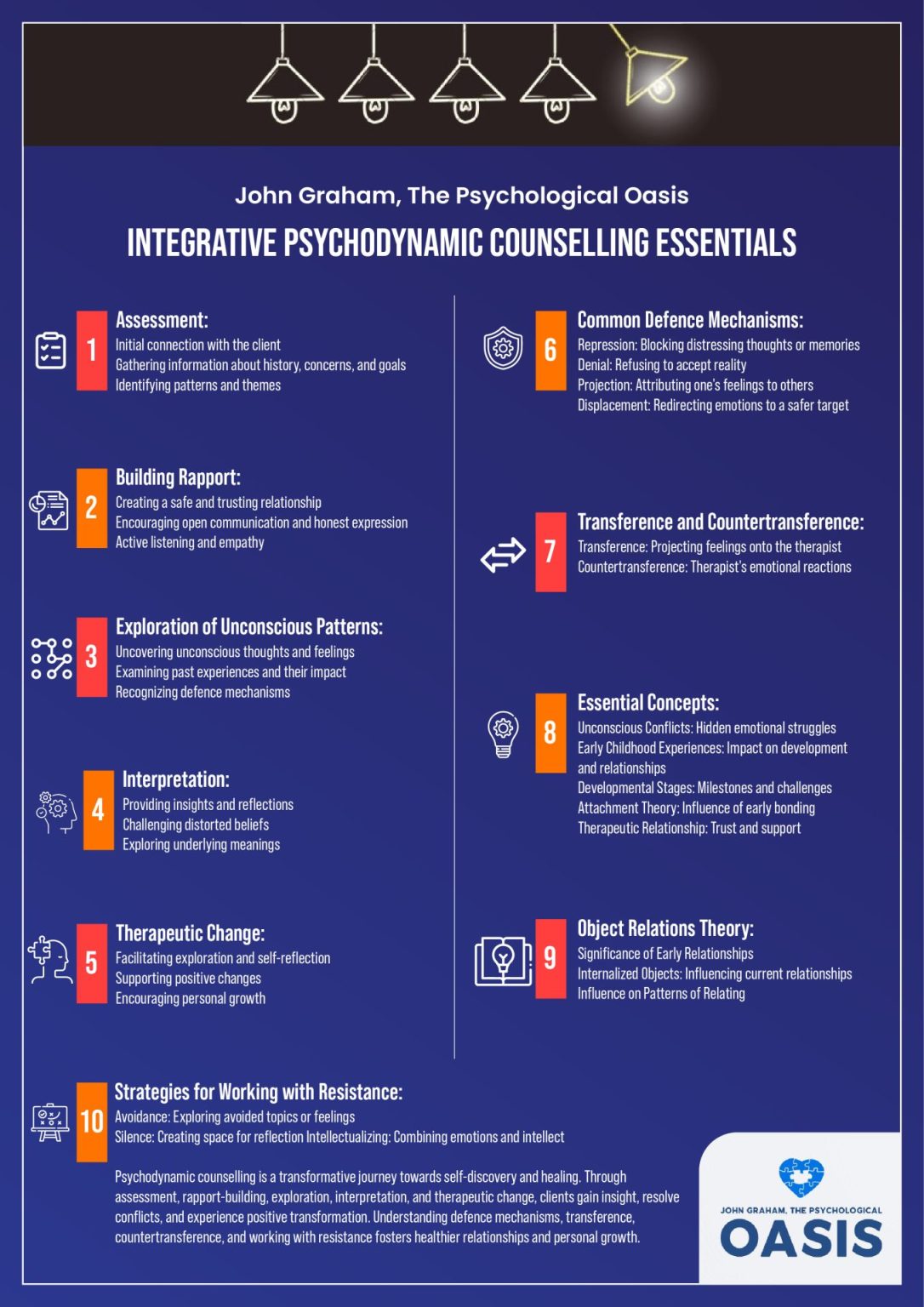
Several major steps need to be undertaken for the cycle of dynamic counselling to become a transformative journey of self-discovery and healing for the participant. The first step is assessment. This is where the counsellor finds out as much as possible about the client. After this rapport will be built to create a safe and trusting relationship between the counsellor and the client.
Exploration of patterns that may be causing specific behaviors based on past experiences is then done and an interpretation is given. The process also involves a therapeutic change in which the client makes strides toward experiencing personal growth.
There are several other stages that the client may go through which can see them projecting feelings onto their therapist and refusing to accept responsibility. All of these are coping mechanisms that must be worked through during counselling.
During psychodynamic counseling, the counselor will seek to go deeper with the patient so that they can identify traumatic experiences from their childhood and any past unconscious conflicts they have hidden that are impacting their lives today.
If you are looking to learn more about psychodynamic counselling and get an in-depth look at all the stages involved.
Chronic illness can take a toll on one’s physical, emotional, and mental wellbeing. Individuals struggling with chronic (long term) illness often feel lonely, isolated, and anxious, leading to a decline in their overall quality of life. While individual therapy can be helpful, group therapy can offer additional benefits and support. Group therapy allows people to connect with others who understand and relate to their struggles.
A Sense of Community and Connection
The sense of community and connection that group therapy provides can be incredibly powerful for those dealing with chronic illness. Often, those dealing with illnesses can feel isolated and misunderstood. In a group therapy setting, individuals can connect with others who are going through similar experiences and struggles. This can help reduce feelings of isolation and provide a sense of comfort and understanding, with a qualified therapist.
Learning from Others
In group therapy, people can learn from others who are further along in their journey. For example, someone who was recently diagnosed with an illness may feel scared and uncertain about their future. Hearing from someone who has been living with illness for a longer period of time can offer hope and reassurance and also provide practical support.
Psychoeducation
Some group therapy can provide an opportunity for psychoeducation on chronic illnesses. Members can learn about their illness, medications, treatments, and therapeutic interventions that can help reduce their symptoms. This can give them a sense of control and improve their quality of life.
Better Coping Skills
Chronic illness can be overwhelming and stressful; it often requires individuals to develop new coping mechanisms to manage their symptoms. In a group therapy setting, individuals can learn new coping skills from other members. This can include stress management techniques, mindfulness exercises, and ways to manage pain or fatigue. Learning new coping skills can lead to a reduction in anxiety and an improvement in overall mental health.
Mutual Support
Whilst in group therapy, members can offer mutual support to one another. Those who are having a particularly difficult day or week can lean on other members for support and encouragement. Group members can offer a listening ear or share coping strategies that have worked for them. This provides a sense of comfort and fosters a sense of belonging.
Group therapy can be a valuable tool for individuals struggling with a chronic illness. It provides a sense of community and connection, the opportunity to learn from others, psychoeducation, better coping skills, and mutual support. If you are struggling with chronic illness, consider seeking support through group therapy.
Remember, you are not alone. There are others out there who understand and can support you on your journey. You can also be referred for therapy.
Eating disorders are complex mental health conditions that require a multi-dimensional approach to treatment. They can affect people of all ages, genders, races, and backgrounds, causing severe emotional and physical distress if left untreated. The good news is that there are many safe and effective treatment options available to those struggling with eating disorders. This article will explore some of the most effective ways to safely treat an eating disorder, including therapy, medication, nutrition counselling, and support groups.
Eating Disorder Treatment Therapy
One of the most important aspects of care is eating disorder treatment therapy. There are different types of therapy available to those struggling with an eating disorder, such as cognitive-behavioural therapy (CBT), dialectical behaviour therapy (DBT), and family-based therapy (FBT). These therapies can help individuals identify and change distorted thoughts and behaviours around food, body image, and weight. CBT is particularly effective in treating individuals with anorexia nervosa and bulimia nervosa, while DBT can help those struggling with binge eating disorder and emotional dysregulation. FBT is a family-based approach to treating eating disorders in adolescents and children, which focuses on empowering the family to help the individual recover.
Medication
Medication may also be prescribed to individuals with eating disorders, particularly those with comorbid conditions such as anxiety or depression that are affecting their recovery. Antidepressants can help reduce symptoms of depression or anxiety, while antipsychotics may be prescribed for those with severe symptoms of body dysmorphia, or the distorted belief that their body is flawed. However, medication should be used alongside therapy and other forms of treatment, and under the close supervision of a medical professional.
Nutrition Counselling
Nutrition counseling can be an important part of eating disorder treatment, particularly for those with severe malnutrition or gastrointestinal problems. A registered dietitian can help individuals create a balanced and customized meal plan, learn about appropriate portions, and manage food fears and weight concerns. Nutrition counseling may also include education around mindful eating, intuitive eating, and healthy coping mechanisms. However, it is important to note that nutrition counseling alone is not sufficient for treating eating disorders.
Support Groups
Support groups can be a valuable resource for individuals struggling with eating disorders, as they provide a safe and non-judgmental environment for sharing experiences and gaining support. They can be particularly beneficial for those who cannot afford or access individual therapy, or who prefer a group format. Local and online support groups are available, and many are free or low-cost. Support groups can also provide a sense of community and belonging, which can be helpful in reducing feelings of isolation and loneliness.
Eating disorders can be devastating, but there is hope for recovery. Treatment may involve a combination of therapy, medication, nutrition counselling, and support groups, depending on the individual’s unique needs and circumstances. Recovery is a journey, and it may take time and patience, but with the right support and resources, it is possible. If you or someone you know is struggling with an eating disorder, reach out to a healthcare professional for help. Remember, you are not alone.
Lizzie Weakley is a freelance writer from the USA.
On the 1st March 2016, I started this blog as a way to provide therapy for myself- as I was going through panic attacks, (caused by trauma). Can you believe that was 7 years ago?! I can’t! Since then I have had several years of therapy and my life changed so much too for the better- I met my husband, we got married and moved to our first home.
The blog has turned into a book Bring me to Light (with Trigger), writing for Metro.co.uk, Glamour, the Telegraph, Happiful, Rethink Mental Illness, Mind and other incredible organisations, I have partnered with large and small brands, charities, businesses, writers to create content that battles stigma on mental health. We have been awarded as a Top 10 UK blog by Vuelio since 2018 (thank you) and I love to share my story to help others and educate people about bipolar, anxiety, panic disorders, psychosis, mania and mental health in the workplace (amongst other mental health topics!). I have also recorded podcasts and have begun speaking in the community about bipolar with my Dad.
I cannot believe it has been 7 years since I opened up my computer to write- I was struggling. a lot. Writing has been such a therapy and a saviour to me.. and I hope this blog helps you too!
As always, I want to thank all my contributors and brands (sponsored or not), as well as the digital agencies and freelance writers who provide content too.
This year March 22- 23 we have featured (where it says my name, I wrote it!)
Car crashes can be some of the lowest moments in any individual’s life. In the aftermath of any accident, it’s common for medics to immediately focus on any physical injuries sustained by the victims. However, in addition to physical wounds, many victims also suffer psychological trauma that may last long after their physical injuries heal.
Studies by the United States Department of Veteran Affairs reveal that more than 20% of car accident victims develop mental trauma, while approximately 10% of victims develop full-blown post-traumatic stress disorder PTSD. This psychological trauma can significantly lower the victim’s quality of life if not addressed.
Car accidents can affect your mental health in the following ways.
1. Emotional distress
Many people struggle with severe anxiety and emotional distress in the few weeks and months after the accident. Recurring nightmares, fearfulness, and avoidance of any form of vehicle travel are common psychological distress symptoms in the aftermath of a car crash. This psychological trauma can be hard to shake off, especially when physical injuries are permanent.
2. Anger and mood swings
Drivers may struggle with guilt and sadness, especially if they were responsible for the crash. Passengers and other victims may channel their anger and frustrations at the driver for causing the crash. Negative thoughts can affect the victim’s relationships at work, home, and school.
3. Depression
High-stress levels can quickly plunge a car accident victim into depression which causes many people to seek refuge in drugs and alcohol abuse. Common signs of depression may include sleeping disorders, appetite loss, suicidal tendencies, and emotional outbursts. Post-car crash depression can be challenging to diagnose and treat without the involvement of a mental wellness specialist.
4. Regression in children
Psychological trauma affects kids in many ways that may affect their mental and physical development. Some common symptoms of regression and mental trauma in children may include loss of concentration, poor grades in school, and bed-wetting.
Ways to improve your mental health state post-accident
It’s necessary to seek professional help if the mental trauma lingers over a few weeks and affects your social and family relationship.
Therapy
Recovering from mental trauma after an accident becomes easier when you seek professional help. A psychologist will guide you on the next steps and what medication to take depending on the severity of your condition. Group therapy with other accident victims can go a long way in relieving stress and helping you ease back to your normal life.
Seek legal help
While victims may receive compensation for physical injuries sustained during car crashes, insurance companies may downplay the psychological impact of such events, especially for victims who don’t suffer physical injuries. Psychological trauma can impact your ability to work and provide for your family hence the need to seek compensation through personal injury claims. Your compensation may help pay for therapy and offset any lost income from car crashes. When seeking legal help from an attorney, provide accurate details of the crash and include medical details from your doctor’s consultation.
Stubbs Law Firm is vastly experienced in various legal solutions, from personal injury to insurance disputes. We help car crash victims get justice, and appropriate compensation for all injuries suffered in car accidents.
This non-sponsored article was written by Stubbs Law Firm.
It’s not just the therapist or psychiatrist alone. The treatment centre/hospital matters in mental health.. It’s not that therapists are bad or unimportant; they can be critical in helping people with mental health concerns start on the road to recovery. However, sometimes treatment centres can have a huge impact on mental health and well-being, as a whole.
Lasting Impact of the Environment
First, the environment in which individuals with mental health concerns receive treatment can have a lasting impact on their mental health. Is the institution warm and welcoming to visitors? Or does it feel sterile and cold? Does it have adequate resources to meet the needs of its patients? Or is it underfunded and overcrowded? All these factors can have a significant impact on recovery, as they may create feelings of anxiety or alienation in the patient. For example, if the institute has Knightsbridge Furniture and a welcoming waiting area for visitors, it may make people feel less anxious about their treatment, because the furniture is designed to provide comfort.
Supportive Staff Members
Secondly, supportive staff members are paramount for mental health recovery. Not only do staff members need to be competent and knowledgeable about the latest treatment techniques and practices; they also need to be warm, welcoming and supportive towards their patients. They should be able to provide a safe space for individuals with mental health concerns to explore their thoughts and feelings without fear of judgment or punishment. This will help foster an atmosphere of trust and healing at the treatment centre/hospital.
Accessible Resources
Third, centres should strive to make resources accessible and available to those in need. Mental health concerns can often be complex and multifaceted, so individuals may require a variety of services. Treatment centres should provide access to everything from basic mental health services such as counselling, to more specialised resources like crisis intervention teams or support groups. If these resources are not readily available, then individuals might not get the help they need when they need it.
Appropriate Levels of Care
Fourth, treatment centres must provide appropriate levels of care for the patients they serve. This includes ensuring that each individual gets the right combination of treatment and support based on their specific needs. For example, a patient with severe depression or other severe illnesses may benefit from both medication management and psychotherapy while someone with mild anxiety may only require weekly therapy sessions.
A Holistic Approach
Finally, centres should strive to provide a holistic approach to mental health care. This means taking into account not only the individual’s diagnosis or symptoms, but also their lifestyle, environment, and social support system. Taking these factors into consideration can ensure that individuals receive the most appropriate treatment for their unique needs. Additionally, it can help facilitate long-term recovery and prevent future issues from developing.
It is clear that when it comes to mental health recovery, a treatment centre/hospital plays a vital role in helping individuals achieve positive outcomes. From providing supportive staff members to making resources accessible and offering a holistic approach to care – institutions must strive to meet the needs of those they serve in order to ensure the best possible outcomes.
So, while it is important to have a skilled therapist or psychiatrist, never underestimate the importance of a supportive and well-resourced treatment centre as part of that overall care. Together, they can provide individuals with everything they need to start on their journey to mental health recovery.
PTSD (post-traumatic stress disorder) is one of the most commonly recognised mental health issues because most people endure at least one traumatic experience in their lifetime. Though it’s commonly associated with war veterans, PTSD can occur from enduring the trauma of an abusive relationship, ill health, the loss of a loved one, or the loss of a job.
Thankfully, there are many PTSD therapies you can choose from in order to experience healing.
Prolonged Exposure Therapy
When people struggle with a form of PTSD, avoidance is one of the most common approaches. After all, no one wants to revisit the trauma. However, that trauma impacts the way a person lives in the future. By facing the trauma and incorporating activities such as deep breathing exercises, you’ll decrease the amount of power that traumatic event holds over you. Exposure comes in a number of ways- but should be done with a qualified therapist. One example of exposure is to record yourself as you talk about the event that traumatised you. As you listen to the recording, you can do a calming activity such as colouring in order to help you cope and heal with the story of your trauma.
EMDR Therapy
EMDR stands for “eye movement desensitisation and reprocessing”, and it’s been instrumental in healing people who’ve dealt with traumatic events. Actress Sandra Bullock famously discussed how she used the assistance of an EMDR therapist in order to deal with various traumatic events in her lifetime. By thinking about the event as you concentrate on something your therapist is doing, you can help to associate a positive experience with that traumatic one. Therapists use tools such as flashing lights, sounds, and movement in order to help with the healing journey. In order for it to be effective, consistent sessions for a few months are the best line of action, with a therapist you trust.
Cognitive Processing Therapy
Cognitive Processing Therapy is a PTSD treatment method that allows you to sit down and talk with your therapist about the traumatic event (or events) you’ve endured. You’ll need to process how you feel like it impacted your life. Once you’ve talked through it all, you’re tasked with the responsibility of writing it all down. The act of journaling helps to stimulate your mind to ponder on ways you can cope and adjust in order to move forward in the most abundant manner. Your therapist serves as a guide to help you process and heal with the truest version of the story of what happened to you.
Stress Inoculation Training
This method for healing your PTSD is a form of cognitive behavioral therapy. With this training method, you’ll learn various techniques such as self-massages in order to relax and get rid of the stress that’s associated with your trauma. You don’t need to be in a private space to do this type of training. It can be done on your own or within the safe space of a group.
As the conversation surrounding mental health shifts, don’t be afraid or ashamed to get help. You don’t have to silently endure the negative impact of PTSD. While therapy requires you to show up and do the work, you can move past your trauma and experience healing.
This article was written by writer Kara Masterson.
Therapy can be a great way to work through personal issues, improve your mental health, and make positive changes in your life. But with so many different types of therapy available, it can be hard to know where to start. Many people find that a kind of therapy works well for them, while others may benefit from a combination of different approaches. This overview will help you learn about four of the most common types of therapy to make an informed decision about what might work best for you.
Cognitive Behavioural Therapy
Cognitive behavioural therapy (CBT) is a type of psychotherapy that helps some people change negative thinking and behaviour patterns. CBT is based on the idea that our thoughts, feelings, and behaviours are interconnected. Changing our thoughts and beliefs can change our behaviour and emotions. CBT is effective in treating a wide range of mental health conditions, including anxiety and depression, so its worth a shot to see if its right for you.
Group Therapy
Group therapy is a type of psychotherapy that involves meeting with a group of people who are dealing with similar issues. Group therapy can be helpful because it allows you to share your experiences and feelings with others who understand what you’re going through. It can also help you learn new coping skills and gain insight into your thoughts and behaviors. Many people find group therapy to be a supportive and helpful experience- but see how it goes for you as an individual too.
Interpersonal Therapy
When we have issues with our relationships, it can be challenging to know how to make things better. Interpersonal therapy (IPT) is a type of psychotherapy that helps people improve their relationships with others. IPT focuses on the here and now, helping you to understand and change patterns of behaviour causing problems in your relationships. Several studies have shown that IPT is an effective treatment for depression- so this could be one to try.
Family Therapy
Family therapy is a type of psychotherapy that involves meeting with a therapist along with your family members. Family therapy can be helpful because it allows you to address problems within your family system. It can also help improve communication and relationships within the family. Research by experts found family therapy to be a supportive and helpful experience. However, some have said that it wasn’t the right experience for them and their family, so it is trial and error too.
These are just a few of the many therapy types available. If you’re considering starting therapy, talk to your doctor or mental health professional about what might be right for you. Also, remember, there is no “right” type of therapy. What matters most is finding a therapist you feel comfortable with and who can help you achieve your goals. You may also try a few therapies before finding the correct one to help yourself, your relationships and your family.
This article was written by freelance writer, Rachelle Wilber, living in the San Diego, California area, USA. She graduated from San Diego State University with her Bachelor’s Degree in Journalism and Media Studies. Follow her on Twitter and Facebook: @RachelleWilber; https://www.facebook.com/people/Rachelle-Wilber/100009221637700/
Accepting help for mental health issues is an undeniably courageous step in the healing process. Individual counseling can provide you with many helpful tools for coping with your issues, but so can group counselling. Here are a few reasons why group therapy might be the next step in your healing journey.
Groups Are a Sounding Board
One of the most beneficial aspects of group counselling is that the group can act as a sounding board. Whatever dilemmas you are facing, whatever you’re struggling with in your mind, you can voice it to your group and get helpful feedback. Your group mates will likely come from diverse backgrounds and have had their own unique experiences. Their outside perspectives can give you insight into how to handle difficult situations and emotions. Whether it is, a group can give you guidance based on their own experiences, which can help yours.
Group Therapy Can Be More Cost-Effective Than Individual Therapy
Group therapy can be more budget-friendly than individual therapy. And, just because group therapy tends to cost less, that does not mean it lacks any of the quality you would get from individual counselling. Group counselling can be empowering and helpful in the same way individual therapy is, and it is a great option for those who will have to pay out-of-pocket costs.
Groups Help You Learn About Yourself
Each of your group’s members will figuratively hold up a mirror so that you can take a deeper look at yourself. You can only learn so much about yourself on your own; having those outside perspectives can make your self-introspection all the more intensive and meaningful. There are things about yourself you might not be able to see that others can help you uncover.
Groups Can Help You Develop Social Skills
Social skills are something many of us adults haven’t fully developed, especially as we struggle with our own psychological issues. In a group, you might feel less isolated, plus you will have the opportunity to engage with other people. Here you can learn how to better get along with others and express yourself in a group setting. Studies have found that adventure-based group therapy can particularly help people develop their social skills.
Whether you choose to do group therapy due to finances or because you want to build your social skills, it is an option that works well for most people. You get a new support network of people who are going through similar things and are also looking for reciprocal support. Allow them to hold up the mirror so you can look in and see who is really there.
This article was written by freelance writer Lizzie Weakley