On World Bipolar Day I Hope For: The Road to Remission by Eleanor

(image: World Bipolar Day)

Today is World Bipolar Day and for those of us living with bipolar disorder we know that living with it every day, year round is more accurate. However today is our day to talk about life with mental illness and to try and eradicate the stigma around the illness… ‘crazy lady’ ‘nuts’ ‘drama queen’.

World Bipolar Day is designed to raise awareness worldwide of bipolar conditions and to work to eliminate social stigma whilst providing information to educate and help people understand the condition.

Even though I live in remission/recovery with the illness, I am medicated daily to be this way, and I have undergone years of therapy and learnt coping methods too, with support from family.

Well, before I found medication that stabilises my bipolar highs and lows, life looked very different.

There were times I couldn’t work. I was so depressed I lay in bed in all day, only getting up to eat. I was scared to have a shower and wash my hair.

Life looked bleak. All I wanted was my duvet and oblivion. I had intrusive thoughts about ending my life, I was in a lot of emotional pain and this would last for weeks, sometimes months on end.

Bipolar isn’t just a bit high or a bit low…. its depression and mania, suicidal ideation and psychosis, self harm thoughts, hypersexuality, hyper activity, believing delusions that aren’t real…..SO much. Its episodic but it can ruin your life. Some turn to drugs, alcohol, sex to cope. Some hear voices too.

I have been in hospital twice for fairly long stays. I have been sectioned under the mental health act and held in a hospital unit against my will. I have been injected with sedatives to calm my mind and body when I couldn’t consent. I have met people in hospital who were suicidal, anxious, depressed, high on drugs, in psychosis. I lived on a ward where I heard people being restrained.

So, not much fun really. Luckily this month I am celebrating 9 years of remission out of hospital! I also came out of hospital as a nervous wreck and thankfully, therapy has helped.

(Image: speakingbipolar.com)

This blog is inspired by one of my followers who asked me what was my ‘Aha’ moment in recovery.

As well as finding the medicine Lithium, a salt that controls the mood fluctuations, the biggest thing I did for my own healing was go through therapy for my panic attacks and PTSD like symptoms. This was done with the support of my husband and family and because I has been on an NHS waiting list for 2 years, I needed help. My therapist and I have done EMDR trauma therapy which has helped me to process things.

In fact, I still do get anxiety attacks – just less. I have been in a very good place generally in the past year. Finding support at home, at work and from friends and family has been the most stabilising part.

I have had bipolar since I was 15, I am 34 and can tell you that this has not always been the case and my mental health has and will fluctuate.

I learnt recently that bipolar brains are neurodiverse, meaning our brain chemicals act differently to a neurotypical brain. Always good to understand the biology behind it too as this illness can be inherited and run in families- my Dad and I and other relatives have it.

On World Bipolar Day I hope:

-Employers adhere to the disability act and make reasonable adjustments to help those of us with bipolar to work in a better way for them, including hybrid working.

-People with mental illness aren’t fired because they can’t get to a physical workplace.

-Mental health services need better funding, so that people with bipolar can get a correct diagnosis sooner and get the help they need.

-People not in the Western world will get access to mental health medication and therapies that they desperately need.

Thank you for your ongoing support,

Eleanor

x

Read more about my journey with bipolar in my book Bring me to Light

Family Responsibilities And Mental Health: Navigating the Unique Relationship.

Pexels Image – CC0 Licence

Being part of a family is one of the most natural things in life. However, sometimes that family isn’t so great for your mental health! It’s an unfortunate truth, but it affects so many people around the globe, even if we don’t talk about it. 

The silence involved can make you feel like such an outsider. Sometimes, your family who are supposed to love and cherish you , aren’t quite doing their job, and it’s hard to explain that. So what can you do in a scenario like this?

Build an External Support System

If your family isn’t there for you, you’ll need to build yourself a support system outside of them. Plenty of friends with couches you can crash on, or provide a shoulder to cry on if your parents have made another cruel remark. 

For any person out there, having connections outside of blood relations is a good idea. It widens your life in general, providing more viewpoints and experience for you to count on. And knowing there’s a group of friendly, funny, caring people at the end of the phone can make family responsibilities a lot easier to parse in your mind. 

Know Your Own Boundaries

Whether you’ve got a grown sibling you’re being made to feel responsible for or your parents have always reacted negatively to your decisions, your life is your own. As such, you may need to start putting up some walls. Commonly known as ‘going no contact’, you grant yourself the ability to move on from a childhood’s worth of trauma and finally make your own way in the world your way. 

But if no contact isn’t for you, you can try ‘low contact’ instead. Some people can panic at the thought of cutting ties completely, and there may still be people in your family you want to see on a regular basis (with boundaries).

No One Can Do it All

Even when you feel like you have to, or like you’re letting a loved one down – you didn’t. Remember, you’re only one person with 24 hours in a day, and you can’t be dedicating all that time to caring for someone else. As a parent or as an adult carer, you’re going to need help. 

So let people in when they’re available. Whether it’s counting on the support of a place like Prestwick Care when dealing with an elderly relative, or simply asking a sibling to pitch in when you can’t arrange a babysitter, help is there. You just have to reach out, no matter how much courage that might take.

A temporary worry is much better for you than long term stress when it comes to your mental health and wellness. 

Being stressed out by family responsibilities happens to us all. But if they’re chronic, reach out. You don’t have to take it all on alone. 

This article was written by a freelance writer.
6 Tips To Keep Your Morale High While Job Hunting by Rachelle Wilber

Job hunting is never easy, and it can be especially challenging in this current climate. With more people competing for fewer jobs, the pressure to find a job can really take its toll on your mental health and morale. But there are steps you can take to help keep your spirits up during your job search. Here are six tips to help you maintain a positive outlook while job hunting. 

Maintain Your Physical Health 

Ensure you eat healthy meals, get enough sleep, and exercise regularly. Taking care of yourself physically will give you the energy and strength you need to stay motivated throughout your job search process. Plus, the dopamine you get from exercising helps stabilise your mental health. 

Set Realistic Expectations 

Setting goals for yourself when job searching is important, but it’s also important to set realistic expectations for what you want out of the process. Setting unrealistic expectations can lead to frustration and disappointment when things don’t go as planned. Keeping realistic timelines, salary goals, and more in check will help you in this process. 

Stay Connected with Friends and Family 

Reaching out to friends and family during your job search can provide much-needed support and helpful advice from those who know you best. Staying connected with people who care about you will boost your morale and remind you that people in your corner are rooting for you. 

Develop Networking Skills 

Networking is key when it comes to finding a new job, so focus on building strong relationships with those in your industry or field. You never know who might have connections or insights into potential opportunities that could be perfect for you. Attend conventions, group meetups, or whatever is available to you to further your network. 

Stay Organised 

Keeping track of all the applications, resumes, emails, interviews, etc., can be overwhelming at times. Make sure you stay organized throughout the process by creating systems that work for you. This could include keeping notes in documents, making spreadsheets tracking your progress, or whatever works for you. Having things in order will help reduce stress levels associated with searching for a new job significantly. 

Take Breaks 

While it’s important to remain focused on finding a new position, taking some time off every now and then is essential as well – even if it’s just one day per week where all you do is relax and enjoy some much-needed “me time.” Taking regular breaks from the search allows time for reflection which may lead to fresh ideas and perspectives on how best to tackle the next step in your journey. 

Searching for a new job can be stressful at times, but these six tips should help keep your spirits high. Remember that taking care of yourself physically, setting realistic expectations, staying connected with friends/family members, developing strong networking skills, staying organised, and taking regular breaks should put up in good stead throughout this journey – so don’t give up. 

Rachelle Wilber is a freelance writer.

We are 7! On Be Ur Own Light’s 7th Blog Anniversary by Eleanor

On the 1st March 2016, I started this blog as a way to provide therapy for myself- as I was going through panic attacks, (caused by trauma). Can you believe that was 7 years ago?! I can’t! Since then I have had several years of therapy and my life changed so much too for the better- I met my husband, we got married and moved to our first home.

The blog has turned into a book Bring me to Light (with Trigger), writing for Metro.co.uk, Glamour, the Telegraph, Happiful, Rethink Mental Illness, Mind and other incredible organisations, I have partnered with large and small brands, charities, businesses, writers to create content that battles stigma on mental health. We have been awarded as a Top 10 UK blog by Vuelio since 2018 (thank you) and I love to share my story to help others and educate people about bipolar, anxiety, panic disorders, psychosis, mania and mental health in the workplace (amongst other mental health topics!). I have also recorded podcasts and have begun speaking in the community about bipolar with my Dad.

I cannot believe it has been 7 years since I opened up my computer to write- I was struggling. a lot. Writing has been such a therapy and a saviour to me.. and I hope this blog helps you too!

As always, I want to thank all my contributors and brands (sponsored or not), as well as the digital agencies and freelance writers who provide content too.

This year March 22- 23 we have featured (where it says my name, I wrote it!)

How to Stay Motivated When You’re Feeling Lost: Tracie Johnson

Change the Story Campaign- Eating Disorder Stereotypes- Hope Virgo

Performance of She Used To Be Mine (Sara Bareilles) by Nicolina Bozzo- Eleanor

5 Tips on How To Talk To Your Boss About Mental Health- freelance writer

Does Retail Therapy help your mental health?– freelance writer

9 Tips On Prioritising Your Mental Health while raising children- freelance writer

How to Keep a Good Mindset with Physical Therapy – Sierra Powell

Bipolar and Perinatal mental health- Eleanor

4 Types of Alcohol Addiction Services You can Turn To for Help- Rachelle Wilber

How to Transform Social Anxiety – Lewis McDonnell at Phobia Support Forum

What It’s Like To Go Through Severe Depression as a Bipolar Episode- Eleanor

What To Do When You Feel Alone- Eleanor

4 Reasons to Cook For Yourself- freelance writer

Learning to Embrace Schizoaffective Disorder -Mental Health Awareness Week- James Lindsay

Promoting wellbeing, good mental health and reducing stress in the elderly- freelance writer

Top 10 UK Mental Health Blog Award from Vuelio- Eleanor

Mental health, low self esteem, body image and fashion- freelance writer

What It Means To Have an NHS Perinatal Psychiatry Meeting- Eleanor

Unbroken- How Madeleine Black learnt to heal after sexual violence- Eleanor

What Tools Go Into Substance Abuse Treatment- Kara Masterson

Living with Anxiety- Promoting Mental Health and Success In the Workplace- Erin Hallett

How to know if you have an eating disorder and what to do next- Rachelle Wilber

How can I help an alcoholic or addict parent?- Chaye McIntosh

Boost Your Confidence- freelance writer

Taking Lithium for Bipolar Disorder- Side Effects – Eleanor

4 Effective Ways to Boost Your Mood- freelance writer

Knowing when its right to seek substance abuse treatment- Rachelle Wilber

Protecting mental health, a guide- The Mental Health Foundation

Letting go of hurtful memories to be happier- freelance writer

Group therapy and healing- Lizzie Weakley

Mental health medication and heatwave side effects- Eleanor

How to Create Healthy Daily habits- Sierra Powell

3 Journalling Techniques for Improved Mental Health- freelance writer

Looking after elderly parents- freelance writer

Thank you to a mental health nurse for sharing my book – Eleanor

Interview on Living with Bipolar with Best For You NHS- Eleanor

5 Tips for Communicating with Someone with Dementia- freelance writer

7 Tips to Help Your Personality Shine Through- freelance writer

Sleep Expert on how to stay cool on hot nights- freelance writer

Book Review of my book Bring me to Light by Deb Wilk- Eleanor

4 kinds of Therapy to consider- Rachelle Wilber

Coping with Borderline Personality Disorder and Obsessive Compulsive Disorder- Dr Joann Mundin

Are work places doing enough for mental health post-covid? – freelance writer

Mental Health at Work: First Aid products- writer

The Anxiety Train- a New Year- Eleanor

PTSD therapies and what is right for you- Kara Masterson

Managing mental health when you start college/university- freelance writer

Helping elderly relatives take care of themselves- freelance writer

How to Stay Emotionally Healthy during a Divorce- Lizzie Weakley

4 Ways EMDR Therapy can help you cope with Anxiety- Rachelle Wilber

Stuck in a Rut? Try These 4 Things- Dixie Somers

Non Traditional Therapeutic Activities to Try for Anxiety- Brooke Chaplan

Dealing with Dental Anxiety- Lizzie Weakley

Overcoming Seasonal Mood Changes- Brian Thomas

3 Years of my book Bring me to Light- Eleanor

5 Unbeatable ways to unwind- Dixie Somers

Speed Up Bipolar diagnosis to save lives- Bipolar UK- Eleanor

Losing a loved one- coping with anxiety- Hannah Walters

4 Ways to Treat an eating disorder- Lizzie Weakley

Bipolar UK commission announcement on government funding – Eleanor

How Living by the waterfront improves health- Rachelle Wilber

What football has taught me about life and mental health- Rose Atkinson-Carter

Anxiety and climbing, not carrying mountains- Eleanor

How Car accidents affect mental health- Stubbs Law Firm

How can EMDR therapy help you?- Brooke Chaplan

Tips for planning a sensory friendly wedding- Clay Reese

How to manage emotional eating- Lizzie Weakley

Methods for helping addiction recovery- Kara Masterson

How to tell if a loved one needs psychiatric help- Brooke Chaplan

What to do if you have an eating disorder- Brooke Chaplan

Navigating a divorce and preserving your mental wellbeing- Dixie Somers

January anxiety and burn out, how to avoid- Dr Catherine Carney at Delamere

How to cope with ADHD- freelance writer

My talk at the mental health awareness shabbat on bipolar- Eleanor

Tips to help seasonal depression- Obehi Iyobhebhe

How to help support your friends journey to sobriety- Anita Ginsburg

Why self care is so important- Brooke Chaplan

Coping with big life changes- Meghan Belnap

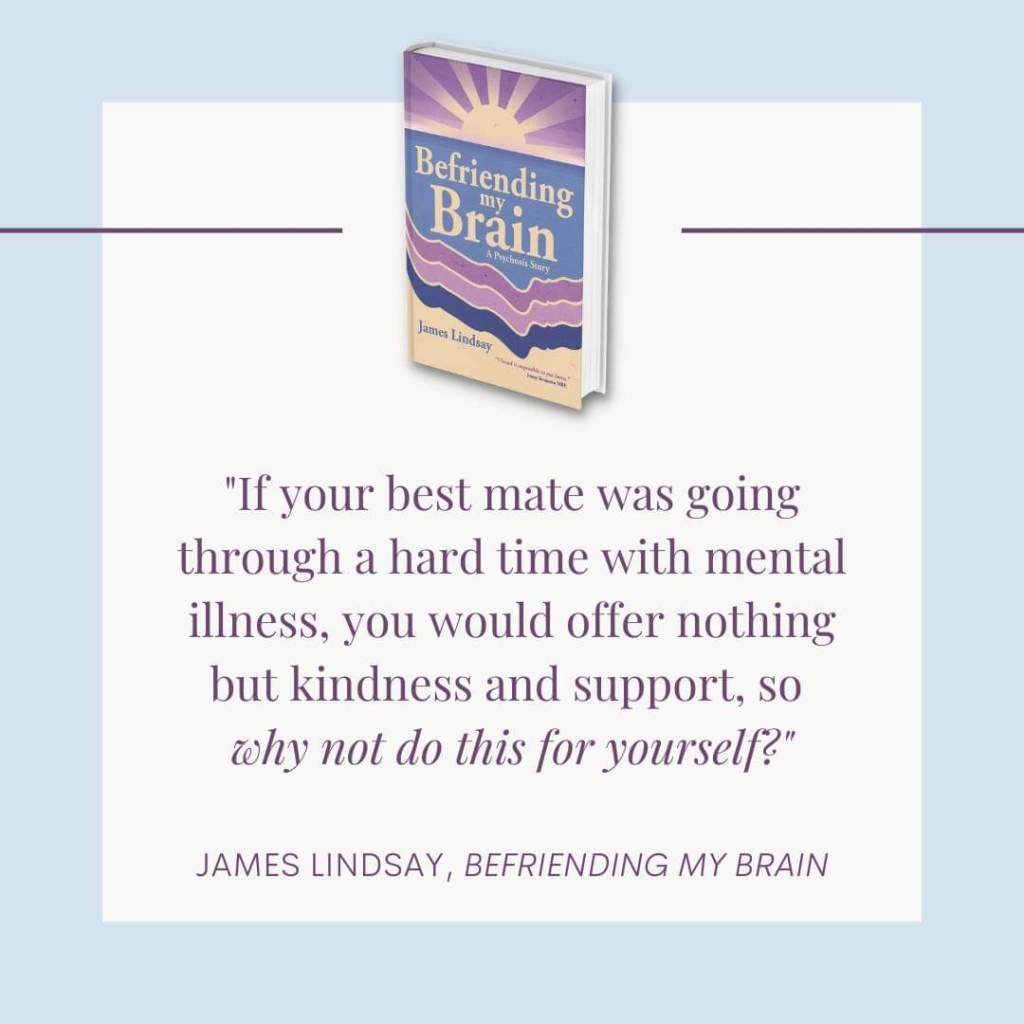
Befriending my brain, a new book on psychosis and recovery by James Lindsay- Eleanor

Thank you all for contributing and I am raising a glass to 7 years of this blog!!

Love and gratitude,

Eleanor x

Befriending My Brain: A Psychosis Story. Exciting New Book by James Lindsay and Cherish Editions

(image: James Lindsay/Cherish Editions)

I first ‘met’ my Twitter friend James Lindsay online when he was first starting to talk about his schizoaffective disorder and psychosis. James also works for Mind doing important work in the mental health sphere and we both live locally to one another. I am really proud of James’s determination, not only in his own life, but to help others through his writing and his new book ‘Befriending My Brain’ with Cherish Editions (Trigger Publishing).

An eye-opening memoir about a young man’s descent into schizoaffective disorder– and the steps he took to regain control of his life.


It’s no secret that, in recent years, mental health has become a major topic of conversation. But just because many people feel comfortable discussing their depression, anxiety or other mental health conditions, doesn’t mean that we have removed all stigma from such diagnoses. This is especially true when it comes to psychotic disorders, which affect less than 1 in 100 people in the UK each year (Mind), thus leaving these disorders shrouded in mystery. It doesn’t help that what the media portrays as schizophrenia or psychosis is not always what the sufferer experiences in real life.


As such, it’s vital that we start to bring psychotic disorders, including psychosis, to the forefront. According to a 2016 report from Public Health England, “psychosis is one of the most life-impacting conditions in healthcare.” But with the proper treatment and understanding, it doesn’t have to be life-altering. The same report states that the sooner someone
is treated for their psychosis, the better the chances that they will recover and return to their normal
lives.


James Lindsay has experienced the ups and downs of schizoaffective disorder first-hand, and his book does the vital work of removing some of the mystery surrounding such a diagnosis. It includes the red flags he recognises in hindsight after psychosis landed him in hospital for the better part of a month, but it also retells the inspiring journey he took to recovery in all aspects of his life.

In his case, psychosis and his path to better mental health gave him a new passion in life: helping others through their own diagnoses and getting their lives back, just as he did. No matter where readers are on their journeys, James’ memoir will resonate and remind them, as he puts it, that “recovery is always possible, and hope is never far away.”

(image: Trigger Publishing/ Cherish Editions/James Lindsay)

I can’t wait to read it and review it too!

You can buy a copy of Befriending My Brain: A Psychosis Story by James Lindsay at Amazon, Trigger, Waterstones, WH Smith and all good bookshops.

MORE ABOUT THE AUTHOR
Hailing from Watford, Hertfordshire, James Lindsay works for Hertfordshire Mind Network and uses his free time to advocate for mental health care by blogging and appearing on podcasts and TV. James enjoys playing football, going to the cinema, spending time with friends and family, and exploring new places, with his partner, Holly. Befriending My Brain is his first book.


Why Self Care Is So Important For Good Mental Health by Brooke Chaplan

(image: free image)

Self-care is a buzzword that has become increasingly popular in recent years, with many people talking about how important it is to take care of ourselves. But what does self-care really mean? And more importantly, what are the benefits of self-care for mental health? Let’s take a look at why self-care is so important and how it can improve your mental well-being.

What Is Self-Care?

Self-care is any activity that we do deliberately in order to take care of our mental, emotional, and physical health. We all need different kinds of self-care depending on our individual needs, but some common examples include getting enough sleep, eating nutritious foods, exercising regularly, and taking time out to relax. Taking part in activities like these can help us manage stress levels and make us feel better about ourselves overall.

The Benefits of Self-Care for Mental Health

Self-care has many benefits for our mental health and well-being. Taking time out to practice self-care can help reduce stress levels, which can have positive effects on our mood and energy levels. It can also help us gain clarity and perspective on problems we may be facing in life as well as helping us feel more connected to ourselves. Regularly engaging in activities such as yoga or meditation can also help us develop coping skills for dealing with difficult emotions or situations. In addition, taking part in activities that give us pleasure, such as reading a book or going for a walk, can boost our moods and make us feel more positive about ourselves and life in general.

Self-Care Tips For Improved Mental Health

If you want to get started with self-care but aren’t sure where to begin, here are a few tips you can use:

• Take breaks throughout the day – even if it’s just five minutes – to recharge your batteries

• Make time for things you enjoy doing, such as reading a book or listening to music

• Get outside into nature whenever possible

• Connect with friends or family members who make you feel good

• Practice relaxation techniques such as deep breathing or visualization

• Eat healthy foods that will nourish your body

• Exercise regularly – this doesn’t have to mean hitting the gym every day! A simple walk around the block will do wonders for your mind and body

• Spend time alone – this could be journaling or simply sitting quietly with yourself

• Be kind to yourself – don’t forget that self-love is one of the best forms of self-care!

• Reaching out and getting psychiatric services also counts as self-care, as you are helping yourself feel better in a professional setting

Self-care is essential for maintaining good mental health and well-being. From eating healthy foods to taking regular breaks throughout the day, there are many simple things we can do every day that will benefit both our minds and bodies.

The key is finding what works best for you personally—what activities bring you joy and make you feel better? By taking some time each day just for yourself—whether it be reading a book or going outside into nature—you will soon start reaping the rewards of self-care!

Brooke Chaplan is a freelance writer.

How To Know If You Have An Eating Disorder And What To Do About It by Brooke Chaplan

(image: Unsplash)

Eating disorders come in many shapes and sizes. They can be hard to identify, as they can develop slowly over time, or they can be immediately apparent. Knowing the symptoms of an eating disorder and understanding the best way to seek help is important in order to help those who are suffering from these illnesses.  

Signs of an Eating Disorder 

Eating disorders often manifest themselves through physical changes in appearance, as well as psychological changes such as mood swings, isolation, and feelings of guilt or shame. There are a few signs that may indicate someone is struggling with an eating disorder:  

  • Dramatic changes in weight or body shape (either gaining or losing weight suddenly)  
  • Avoiding social situations where food is involved  
  • Obsessive counting of calories or talking about dieting constantly  
  • Obsessive exercising (working out excessively even when injured)  
  • Preoccupation with food, body image, and weight gain/loss  
  • Negative self-talk (criticizing one’s own body image)  

If you have any reason to believe that someone you care about has an eating disorder, it’s important to get them help right away. The longer someone goes without treatment for an eating disorder, the more difficult it becomes for that person to overcome the illness

It’s also important to remember that a person doesn’t need to show all the signs listed above for it to be considered an eating disorder; if you suspect something is wrong, trust your instincts and reach out for help.  

Seeking Treatment for Eating Disorders   

If you think someone may have an eating disorder it’s important not to ignore the warning signs. The best course of action is always to seek professional medical advice. A psychiatrist or therapist will be able to diagnose any underlying issues and recommend treatment options based on their experience and expertise.

Treatment options for eating disorders vary depending on the individual but typically include some combination of psychotherapy, cognitive behavioural therapy (CBT) or other therapies, medication management, nutrition counselling, and lifestyle coaching. It’s essential that individuals receive support from family members during treatment so they can stay focused on their recovery journey.  

Eating disorders are serious mental health conditions that require professional medical attention in order to be treated properly. If you think someone might have an eating disorder it’s important not to ignore the warning signs but rather seek professional advice right away in order for the individual to receive a proper diagnosis and treatment plan tailored specifically for them.

With proper treatment, individuals with eating disorders can learn how to manage their mental health around food, body image, and emotional well-being so they can live a healthy life.

This article was written by freelance writer Brooke Chaplan.

How To Tell If You Or A Loved One Needs Psychiatric Help by Brooke Chaplan.

(image: free image)

Mental illness can affect anyone, regardless of age, gender, or background. It is important to recognise the signs and symptoms of mental illness in order to get help as soon as possible. Knowing what to look for can be tricky, so here are some common warning signs that you or a loved one may need psychiatric help.  

Unexplained Changes in Mood and Behaviour  

One of the most common signs of mental illness is a sudden and unexplained change in mood or behaviour. This could include changes in sleep patterns, eating habits, energy levels, attitude towards others, or motivation levels. If you notice any sudden shifts in these areas that last more than two weeks and cannot be attributed to a specific event or life change, it may indicate an underlying mental health issue.  

Negative Self-Talk or Rumination  

Another sign that someone needs professional help is if they frequently engage in negative self-talk or ruminate on the same thoughts over and over again. For example, if they often say things like “I’m not good enough” or “I can’t do anything right” without any basis for those statements, this could be a sign that something more serious is going on beneath the surface. Additionally, if someone spends hours every day thinking about their mistakes from the past without being able to move forward—this could also be an indication that professional help is necessary.  

Isolation from Friends and Family  

Finally, if someone begins isolating themselves from friends and family members more often than usual—or does not seem interested in having conversations with them—this could be another indicator that something more serious is happening mentally. It’s normal for people to want some alone time once in a while—but if you notice your loved one consistently avoiding social activities and interactions with others over long periods of time—it may mean they need extra emotional support from a professional psychiatrist before they can get back on track.   

Other Behaviours

Other behaviours you should watch out for is frequent tearfulness, self harm thoughts or ideas, suicidal thoughts and ideation- as this indicates someone is reaching a crisis point with their mental health. In some there may be an increase in activity or mania. This can lead to psychosis- where your mind loses touch with reality, common in bipolar disorder and schizophrenia (but can also happen outside these conditions).

Mental health issues are complex and often difficult to recognise at first glance. However, it’s important to understand that early intervention can make all the difference when it comes to managing mental illness effectively. If you notice any of these warning signs in yourself or a loved one—don’t hesitate to reach out for help!

Professional psychiatric services should always be sought out when necessary as this will create better outcomes for everyone involved in the long run. In the UK, that may be via the NHS but due to overwhelmed services, if you can afford private treatment, go down this route as it will be quicker!

This article was. written by Brooke Chaplan, freelance writer.

Methods for Helping Your Addiction Recovery by Kara Masterson.

(image: free image)

Addiction recovery is a challenging process, but there are certain methods that can make the experience a bit easier to handle. These methods can range from creating a support network to seeking out counselling services that can help you navigate the recovery process and help hold you accountable. As a result, following these tips can help make addiction recovery smoother and more successful.

Create a Support Network

Creating a strong support system of family members, friends, and certified professionals who understand the challenges of addiction recovery is essential to your success. Your support network should be made up of those who have your best interests at heart and will provide you with unconditional love and encouragement as you navigate through this difficult time. This type of positive reinforcement will help keep you motivated and on track during your journey toward sobriety.

Seek Out Counselling Services

Professional recovery programs and counselling services may offer a variety of methods and coping mechanisms to help you in the recovery process; such as individualised therapy sessions, group therapy, family counselling, and recovery coaching. These services provide an important opportunity to explore past experiences and underlying issues that have caused or contributed to your past substance abuse, as well as new ways to cope with the underlying triggers and a better understanding of yourself and the things you may be dealing with.

With the guidance of a trained mental health therapist or addiction specialist, addiction recovery patients can develop effective strategies for managing and overcoming their triggers, cravings, and other difficult emotions without relapsing back into old habits. Thus, seeking out counselling services from experienced professionals is an invaluable asset to recovery success.

Practice Self-Care

Lastly, another important tip for making addiction recovery smoother is to practice self-care. This means taking care of yourself physically by eating healthy meals, exercising regularly, and getting enough sleep each night. It also means taking care of yourself mentally by setting aside time each day for relaxation activities such as yoga or meditation. Additionally, it’s important to focus on positive thinking and avoiding negative self-talk which can be detrimental during this delicate time in your life.

Making addiction recovery smoother requires dedication and effort from both yourself and those around you who are supporting you on this journey toward long-term sobriety. By creating a strong support network, seeking out professional counselling services, and practicing self-care daily, you can set yourself up for success in overcoming your addiction issues once and for all. With these tips in mind, you’ll be better equipped to make addiction recovery easier than ever before!

Kara Masterson is a freelance writer.

Emotional Eating: How To Manage Triggers By Lizzie Weakley.

(image: Roamincolor at Unsplash)

Do you find yourself reaching for food to fill an emotional void? Do you often find yourself snacking out of boredom or anxiety? Emotional eating is a common problem that many people struggle with, but it doesn’t have to be something that controls your life. Here are some tips and strategies for managing emotional eating triggers and developing healthy habits.

Identifying Your Triggers

The first step in overcoming emotional eating is to identify the triggers that lead to it. Everyone has different triggers, so it is important to take the time and reflect on what causes you to turn to food when feeling overwhelmed or stressed. Some of the most common triggers include boredom, stress, loneliness, sadness, anger, fatigue, and anxiety. Once you have identified your particular triggers, then you can start taking steps towards addressing them.

Learning New Coping Mechanisms

The next step is to learn new coping mechanisms that allow you to manage these emotions without turning to food. This could be physical activities such as going for a walk or jog, doing yoga, or any other type of exercise that helps reduce stress levels.

It could also be trying out mindfulness techniques such as meditation and deep breathing exercises which can help centre your thoughts and help clear out negative feelings. Other methods could include talking with friends or writing down your thoughts in a journal in order to gain some clarity about why you are feeling certain emotions and how best to work through them.

Taking an Online Coaching Course

Finally, another great way of managing emotional eating triggers is by taking an online emotional eating coaching course designed specifically for this purpose. An online coaching course can provide the guidance needed in order to make meaningful lifestyle changes that will help overcome emotional eating patterns over time. The course will provide tips on how best to manage cravings and difficult emotions while also teaching techniques on how best to maintain healthy habits long-term while learning positive self-care practices along the way.

Emotional eating can be a difficult habit to break but with the right strategies in place, it can become manageable over time! Taking the steps outlined above such as identifying your triggers, learning new coping mechanisms, and taking an online coaching course are all great ways of helping manage emotional eating triggers while developing healthier habits along the way. With dedication and effort this problem can improve significantly!

Lizzie Weakley is a freelance writer.